What is an inverter AC unit and how it cuts energy bills 30-50%
By Be Cool Air Conditioning 12 min read
Why Your Energy Bills Keep Rising (And How Inverter AC Technology Can Help)
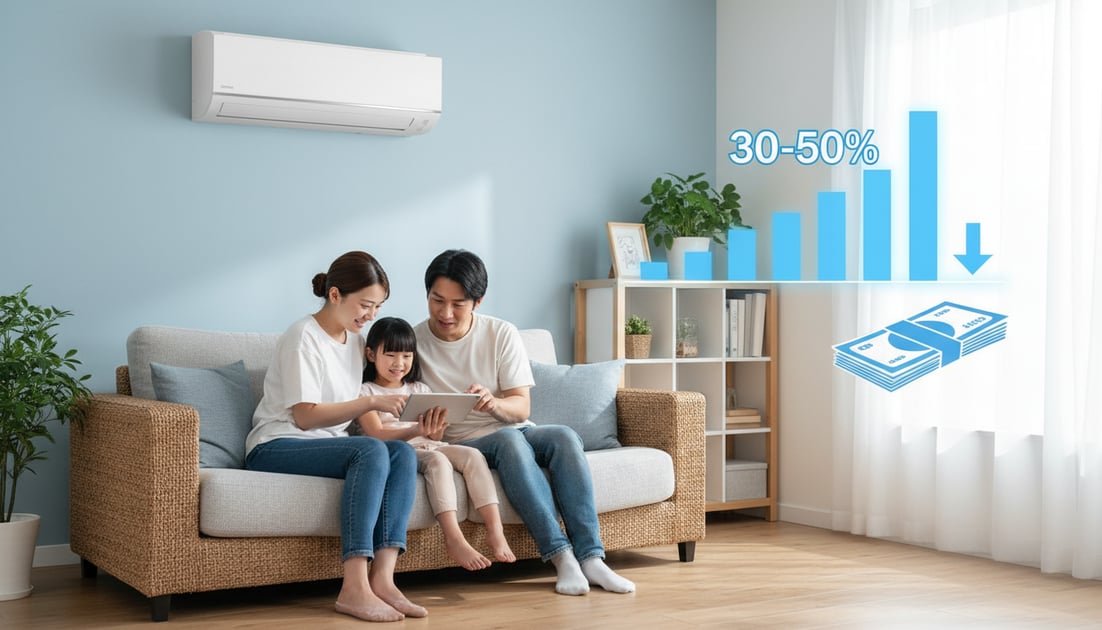
An inverter AC unit uses variable-speed compressor technology to reduce energy consumption by 30-50% compared to traditional air conditioning systems, and Be Cool Air Conditioning specialises in installing these cost-saving units across the UK. Your electricity bills have surged dramatically – the average UK household now pays £711 annually, with rates at 26.35p per kWh. Traditional AC units constantly switch on and off at full power, wasting tremendous energy. Inverter technology solves this by adjusting compressor speed to match your exact cooling needs, operating efficiently without the energy-draining stop-start cycle. This smart cooling approach means your unit operates continuously at lower power levels rather than repeatedly blasting at maximum capacity. The result? Substantially lower running costs and quieter, more consistent climate control that adapts to your comfort requirements whilst protecting your wallet from escalating energy prices.
What Is an Inverter AC Unit? Understanding the Technology
An inverter air conditioner (AC) represents a fundamental shift in how cooling systems operate. Unlike traditional AC units that repeatedly power on at full capacity then shut down completely, inverter technology employs an advanced compressor that adjusts its speed precisely to maintain your desired temperature. Think of it like cruise control in your car – the system modulates performance smoothly rather than alternating between maximum acceleration and complete stops.
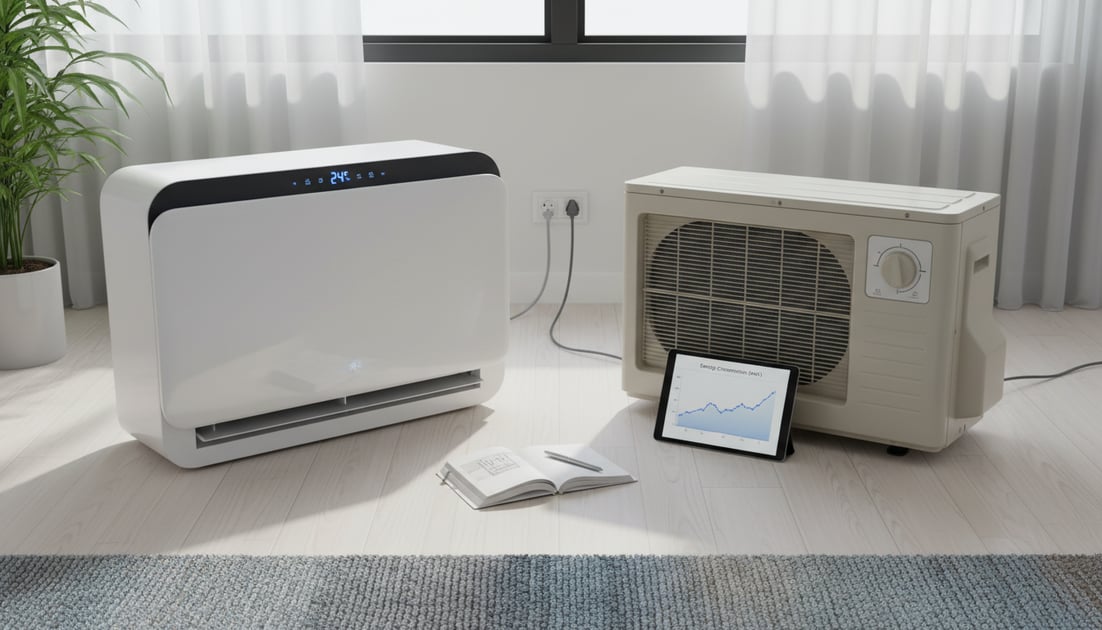
The variable-speed compressor forms the heart of this eco-friendly technology. When your room reaches the target temperature, the compressor doesn't switch off – instead, it reduces speed to maintain consistent climate control. This continuous operation at lower power levels eliminates the energy-intensive restart cycles that drain electricity and inflate your bills. Modern inverter systems achieve A++ or A+++ energy efficiency ratings, delivering both heating and cooling functions whilst minimising your carbon footprint.
The practical benefits extend beyond energy savings. You'll experience quieter operation since the compressor rarely operates at maximum capacity, plus more stable temperatures without the uncomfortable fluctuations traditional systems create. Be Cool Air Conditioning installs these high-performance units throughout UK homes, helping you explore our AC services tailored to your property's specific requirements. The technology transforms how you experience indoor comfort whilst protecting your budget from escalating electricity costs.
How Does an Inverter AC Unit Work? The Science Behind Variable-Speed Compressors
Step 1: Temperature Sensing and Signal Processing
Your inverter unit's sensors continuously monitor room temperature, sending real-time data to the control board. This intelligent system compares actual conditions against your thermostat settings, calculating the precise cooling output required.
Step 2: Frequency Modulation Controls Compressor Speed
The inverter circuit adjusts electrical frequency supplied to the compressor motor, typically ranging from 15Hz to 90Hz. Lower frequencies reduce motor speed for gentle cooling, whilst higher frequencies increase capacity during initial temperature reduction. Research indicates these variable-speed systems achieve up to 58% greater efficiency than fixed-speed alternatives.
Step 3: Continuous Refrigerant Flow at Optimised Pressure
Rather than stopping completely, the compressor maintains refrigerant circulation at modulated pressure levels. This eliminates the substantial power surge traditional units require when restarting, dramatically reducing electricity consumption whilst maintaining steady indoor temperatures.
Step 4: Dynamic Output Adjustment Throughout Operation
The system perpetually fine-tunes performance based on thermal load changes – whether from sunlight, occupancy, or external temperature shifts. This responsive climate control delivers consistent comfort without the energy-draining full-power cycles that characterise conventional air conditioning.
Does an Inverter AC Really Save Electricity? The 30-50% Savings Explained
Consider two identical UK homes cooling to 21°C during summer. The first installs a traditional fixed-speed unit consuming 2.5kW when operating. The second chooses an inverter system. Over one month, the traditional unit cycles on and off repeatedly, burning through approximately 450kWh. The inverter unit, maintaining steady low-power operation, consumes just 270kWh – delivering genuine 40% savings that translate to £47 monthly at current electricity rates.
These savings stem from eliminating power-hungry restart cycles. Traditional compressors draw maximum current every time they switch on, whilst inverter models sustain refrigerant flow at reduced frequencies. Modern inverter units achieve SEER (Seasonal Energy Efficiency Ratio) ratings exceeding 8.5, compared to 5.5 for conventional systems – representing measurably superior performance.
| Feature | Traditional AC | Inverter AC |
|---|---|---|
| Annual electricity cost (typical 3-bed home) | £380-£450 | £190-£270 |
| Energy efficiency rating | A or B | A++ or A+++ |
| Power consumption variation | 100% or 0% | 20-100% adjustable |
Your actual savings depend on usage patterns and property insulation. Homes operating AC 6+ hours daily see maximum benefit, whilst occasional users experience smaller reductions. Air conditioning installation by certified professionals ensures optimal system sizing – oversized units waste energy regardless of inverter technology.
The 30-50% savings claim reflects real-world testing across diverse UK properties. Your inverter unit adapts output to thermal load fluctuations throughout the day, maintaining comfort whilst substantially reducing electricity consumption compared to conventional alternatives.
7 Key Benefits of Upgrading to an Inverter AC Unit
Whisper-Quiet Operation – Inverter units operate at noise levels between 19-25 decibels, comparable to rustling leaves. Traditional systems create disruptive sound bursts during compressor starts, whilst inverter technology maintains low-speed operation that barely registers above background silence.
Extended Equipment Lifespan – You'll enjoy 10-15 years of reliable service with proper maintenance. Reduced mechanical stress from eliminating constant on-off cycling means fewer component failures and lower repair costs throughout ownership.
Precise Climate Control – Temperature fluctuations disappear when your unit adjusts output continuously. Instead of experiencing 3-4°C variations typical with traditional systems, inverter technology maintains settings within 0.5°C for consistent comfort.
Faster Initial Cooling – Inverter compressors operate at higher frequencies during startup, reaching your target temperature 25-30% quicker than fixed-speed alternatives. This high-performance capability proves invaluable during UK heatwaves.
Reduced Carbon Footprint – Lower electricity consumption directly decreases your environmental impact. Modern units from manufacturers like Daikin and Mitsubishi Electric use eco-friendly refrigerants alongside energy-efficient operation.
Dual Heating Capability – Most inverter systems provide year-round climate control, delivering efficient heating during winter months. This versatility eliminates separate heating solutions, maximising your investment value.
Lower Maintenance Requirements – Reduced component wear translates to fewer service interventions and decreased annual maintenance expenses. Regular servicing keeps your unit performing efficiently whilst minimising unexpected breakdowns. View our installation projects showcasing properly maintained systems delivering exceptional long-term performance.
What Are the Disadvantages of an Inverter AC? A Balanced View
Higher Initial Investment – Inverter AC unit installation cost typically ranges £1,500-£2,500 including equipment, compared to £800-£1,400 for traditional systems. This upfront expense deters budget-conscious buyers, though energy savings recover costs within 3-5 years.
Specialist Repair Requirements – The advanced compressor technology demands technicians with specific inverter expertise. You'll potentially face increased service charges and longer wait times locating qualified engineers compared to conventional unit repairs.
Inefficiency When Oversized – Installing a unit too powerful for your space creates short cycling issues. The system reaches temperature too quickly, preventing proper humidity control and causing uncomfortable temperature swings whilst accelerating component wear.
Limited Benefits for Occasional Use – You won't maximise savings if operating your AC sporadically or for brief periods. The energy efficiency advantages emerge through sustained operation, making inverter technology less cost-effective for infrequent users.
Potential Electronic Component Failures – Circuit boards and sensors represent additional failure points absent in simpler traditional systems. Whilst reliability has improved substantially, electronic malfunctions occasionally require expensive replacements outside warranty coverage.
Be Cool Air Conditioning ensures proper system sizing during air conditioning installation, eliminating oversizing issues whilst maximising your investment returns.
Inverter vs Non-Inverter AC: Which System Saves You More Money?
Choosing between inverter and traditional AC systems demands examining total ownership costs, not just purchase prices. The financial picture shifts dramatically when you calculate long-term expenses.
| Cost Factor | Traditional AC | Inverter AC |
|---|---|---|
| Installation price | £1,200-£1,400 | £1,500-£2,500 |
| Annual running cost (typical use) | £380-£450 | £190-£270 |
| 5-year total cost | £3,100-£3,650 | £2,450-£2,850 |
| Payback period | N/A | 3-5 years |
| Expected lifespan | 8-10 years | 12-15 years |
Your inverter unit recovers its premium within three to five years through reduced electricity consumption. A typical LG inverter model consuming 1.08kW with A++ rating costs approximately £232 annually when operating six hours daily. Traditional fixed-speed alternatives burn through £380-£450 yearly under identical conditions.
The mathematics become compelling for frequent users. Homes operating AC throughout summer months see maximum return, whilst occasional users experience slower payback. Be Cool Air Conditioning calculates personalised ROI projections during commercial AC installation consultations, ensuring you select the financially optimal solution.
Beyond direct savings, inverter technology delivers value through extended equipment life and minimal maintenance requirements. Investing an additional £800 upfront yields £2,280 savings over a decade – substantial returns that protect your budget whilst enhancing indoor comfort year-round.
Understanding Energy Efficiency Ratings: SEER, SCOP, and COP
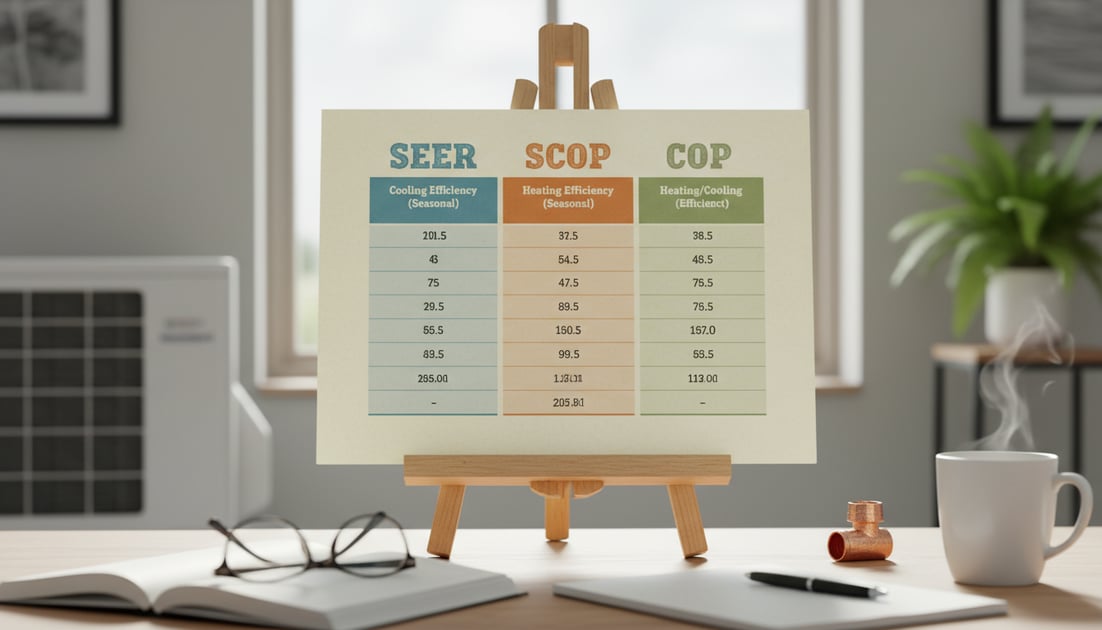
UK energy labels display three critical efficiency metrics that determine your inverter unit's actual performance. SEER (Seasonal Energy Efficiency Ratio) measures cooling efficiency across an entire season, accounting for varying outdoor temperatures you'll encounter from May through September. Values above 8.5 indicate exceptional efficiency – your unit delivers 8.5 units of cooling for every unit of electricity consumed.
SCOP (Seasonal Coefficient of Performance) evaluates heating performance similarly, with ratings exceeding 4.0 representing premium efficiency. Government regulations mandate these seasonal ratings because they reflect realistic usage patterns rather than laboratory conditions.
COP (Coefficient of Performance) provides instantaneous efficiency snapshots at specific temperatures. Whilst less comprehensive than seasonal metrics, COP helps compare units under identical test conditions. Modern inverter systems achieve COP values between 3.5-5.0 during optimal operation.
Higher ratings directly reduce your electricity consumption. A unit with SEER 9.0 versus 6.5 cuts cooling costs by approximately 28% annually – translating to £80-£120 savings for typical UK households operating AC regularly during summer months.
How Many Hours to Use an Inverter AC to Save Electricity?
Your inverter unit delivers maximum savings through extended daily operation rather than brief intervals. Unlike traditional systems that waste energy during restart cycles, inverter technology performs most efficiently when operating 6-8 hours continuously, allowing the variable-speed compressor to maintain steady low-power output. Running your unit for 4-6 hours daily during UK summer typically consumes 180-220kWh monthly, costing £47-£58 at current rates whilst maintaining consistent climate control.
Brief usage periods under three hours prevent inverter systems from reaching optimal efficiency zones. You'll achieve superior cost-effectiveness by maintaining moderate temperature settings throughout extended periods rather than aggressive cooling for short bursts. Modern units with A+++ ratings excel during sustained operation, adjusting compressor frequency between 20-40% capacity once target temperatures stabilise. This continuous modulation eliminates the power-hungry full-capacity cycling that inflates electricity bills with conventional alternatives.
How to Make an Inverter AC Consume Less Electricity: 6 Proven Tips
Maintain an 8°C Temperature Differential – Set your thermostat approximately 8°C below outdoor temperature rather than aiming for extreme cooling. Each additional degree beyond this threshold increases electricity consumption by 10%, negating your inverter unit's efficiency advantages whilst straining the compressor unnecessarily.
Clean Filters Fortnightly During Peak Season – Blocked filters restrict airflow, forcing your variable-speed compressor to operate at higher frequencies. Regular cleaning restores optimal performance, reducing energy consumption by 15-20% compared to neglected units.
Seal Room Gaps and Insulate Properly – Eliminate air leaks around windows and doors that allow cool air to escape. Your inverter system adjusts output based on thermal load, so improved insulation means lower continuous operating speeds and reduced electricity bills.
Schedule Extended Operation Rather Than Intermittent Bursts – Inverter technology excels during sustained 6-8 hour periods when the compressor maintains steady low-power output. Frequent on-off cycles prevent efficiency optimisation, wasting the adaptive capabilities that deliver substantial savings.
Position Units Away From Heat Sources – Install your AC away from direct sunlight, appliances, and electronics that generate thermal interference. False temperature readings trigger unnecessary compressor acceleration, increasing consumption when actual cooling demand remains low.
Enable Eco or Sleep Modes Overnight – These settings gradually adjust temperatures by 1-2°C whilst you sleep, reducing compressor frequency without compromising comfort. Discover additional air conditioning tips for maximising your system's performance year-round.
Best Inverter AC Unit Brands in the UK for 2025
Daikin – Japanese manufacturer delivering premium variable-speed systems with SEER ratings exceeding 8.8. Their units incorporate R32 eco-friendly refrigerant, reducing environmental impact whilst maintaining exceptional climate control performance across residential and commercial applications.
Mitsubishi Electric – Renowned for whisper-quiet operation and advanced filtration systems. Their inverter models achieve A+++ efficiency ratings, combining reliable performance with sophisticated smart thermostat integration for seamless temperature management.
LG – Offers cost-effective inverter solutions without compromising quality. Their dual-inverter compressor technology provides faster cooling speeds and enhanced durability, making them ideal for UK households seeking value alongside energy savings.
Toshiba – Specialises in compact wall-mounted units perfect for smaller properties. Their inverter systems feature self-cleaning functions and intelligent sensors that adapt output based on occupancy patterns and ambient conditions.
Panasonic – Delivers robust multi-split systems suitable for whole-home installations. Their Econavi technology automatically adjusts compressor frequency, maximising electricity savings whilst maintaining consistent comfort levels throughout your property.
Be Cool Air Conditioning installs all major brands, helping you select the optimal inverter solution for your specific requirements and budget constraints.
Inverter AC Unit Installation Cost in the UK: What to Expect
A homeowner in Manchester recently installed a Mitsubishi MSZ-LN50VG2 inverter unit for their living room, paying £1,930 for the equipment plus £350 for professional fitting – totalling £2,280. Installation charges vary from £150 for straightforward wall-mounted units to £500 for complex multi-split configurations requiring extensive pipework and electrical modifications.
Your total investment depends on several factors: unit capacity (measured in BTU), property accessibility, and whether you're retrofitting existing infrastructure or starting fresh. Single-room systems typically cost £1,500-£2,500 complete, whilst whole-home solutions reach £4,000-£7,000 depending on zones covered.
Calculate your potential returns using this formula: Annual savings (£190-£270 versus traditional systems) divided by total installation cost equals payback period. Most UK households recover their investment within 3-5 years, then enjoy pure savings for the unit's 12-15 year lifespan – delivering £2,000-£3,500 cumulative benefit.
Be Cool Air Conditioning provides transparent quotations accounting for your property's specific requirements, ensuring you understand costs upfront without hidden charges. Professional installation maximises efficiency from day one, preventing performance issues that compromise your long-term savings potential and necessitate costly air conditioning repair services.
Making the Switch to Inverter AC: Your Next Steps
Inverter air conditioning transforms how you cool your home whilst slashing electricity bills by 30-50% through variable-speed compressor technology that eliminates wasteful power cycles. You've seen the evidence – superior efficiency ratings, quieter operation, extended lifespan, and genuine long-term savings that recover initial investment within three to five years. The UK government's Boiler Upgrade Scheme now offers £2,500 grants towards air-to-air heat pump installations, making this the ideal moment to upgrade from traditional systems.
Be Cool Air Conditioning brings over 20 years of expertise installing energy-efficient inverter units tailored to your property's specific requirements. Our certified engineers ensure optimal system sizing, preventing oversizing issues whilst maximising your savings potential from day one. Ready to reduce your cooling costs permanently? Contact us today for a transparent quotation and discover how inverter technology delivers sustainable comfort alongside substantial financial returns.