HVAC maintenance impact: Slash energy bills by 30% in 2026
By Be Cool Air Conditioning 12 min read
Why Your Energy Bills Could Drop 30% This Year
Your Heating, Ventilation and Air Conditioning (HVAC) system quietly consumes up to half of your home's total energy use. That single statistic explains why proper maintenance delivers such dramatic cost savings. When air filters clog, refrigerant levels drop, or components wear down, your system works harder to achieve the same comfort level – and your energy bills climb accordingly.
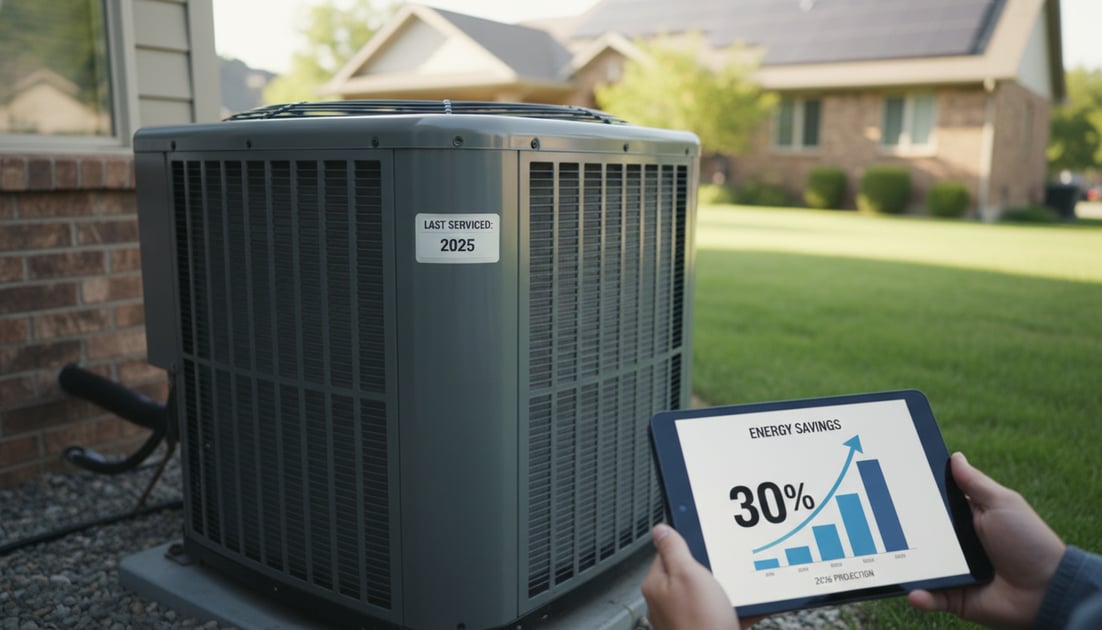
The 30% reduction isn't theoretical. Regular system inspection and preventative maintenance keep your equipment running at peak efficiency. Clean air filters alone improve airflow and reduce energy consumption by 5-15%. Add professional servicing that includes checking refrigerant levels, cleaning coils, and calibrating your smart thermostat, and the savings compound rapidly.
Be Cool Air Conditioning sees these results consistently across residential properties. Neglected systems develop inefficiencies that accumulate over months and years. A dirty evaporator coil forces your compressor to run longer cycles. Poor ventilation creates pressure imbalances that waste energy. Small issues cascade into high energy costs.
The investment makes financial sense. Annual maintenance typically costs £80-150, whilst the average UK household spends over £1,000 yearly on energy bills. Cutting that by 30% means £300+ back in your pocket – year after year. That's genuine cost savings from scheduled service, not wishful thinking.
The True Cost of Neglecting HVAC Systems Maintenance
A commercial property in Manchester discovered the hard way that deferred maintenance costs far more than prevention. Their neglected HVAC system failed during a July heatwave, resulting in £8,500 for emergency repairs, three days of lost productivity, and uncomfortable conditions that drove customers away. Annual preventative maintenance would have cost just £200.
The financial impact extends beyond dramatic system failures. Poorly maintained HVAC systems consume 20-40% more energy than properly serviced equipment. For the average UK household spending £1,200 annually on energy, that's £240-480 wasted every year. Multiply that over a system's 15-year lifespan, and you're looking at thousands of pounds literally disappearing into inefficient operation.
Indoor air quality deteriorates rapidly without regular air conditioning services. Dirty air filters and clogged ventilation systems circulate dust, allergens, and pollutants throughout your property. This creates health concerns and reduces system longevity by forcing components to work harder against restricted airflow.
The numbers tell a clear story. Neglected systems lose efficiency gradually – you won't notice the 2% monthly increase in your energy bills until it's too late. Regular system inspection catches refrigerant leaks, worn belts, and failing components before they cascade into expensive emergencies. Humidity control suffers, indoor air quality declines, and your comfort disappears along with your money.
Prevention costs less than cure. Always.
How Regular Maintenance Delivers 30% Energy Savings
The science behind dramatic energy savings comes down to three mechanical realities: airflow resistance, heat transfer efficiency, and compressor workload. Each maintenance task directly addresses one of these energy drains.
1. Air Filter Replacement Reduces System Resistance – A clogged air filter forces your HVAC system to work 15% harder to move the same volume of air through your home. Clean filters restore proper airflow immediately, cutting energy consumption by 5-15% according to the U.S. Department of Energy. That's the easiest win in your maintenance schedule.
2. Coil Cleaning Restores Heat Transfer Capacity – Dirty evaporator and condenser coils act like insulation, preventing efficient heat exchange. Your system runs longer cycles to achieve the same temperature change. Professional AC repairs include coil cleaning that can improve efficiency by 10-20%. The compressor stops working overtime.
3. Refrigerant Level Optimisation Eliminates Waste – Even a 10% refrigerant undercharge forces your system to consume 20% more energy. Scheduled service catches these leaks early, maintaining peak performance. Proper refrigerant levels mean your compressor cycles correctly rather than running continuously.
4. Smart Thermostat Calibration Prevents Energy Drift – Temperature sensors lose accuracy over time, causing your system to overshoot comfort targets. A 2-degree calibration error can waste 10-15% of your energy budget. Annual system inspection includes thermostat verification that keeps climate control precise.
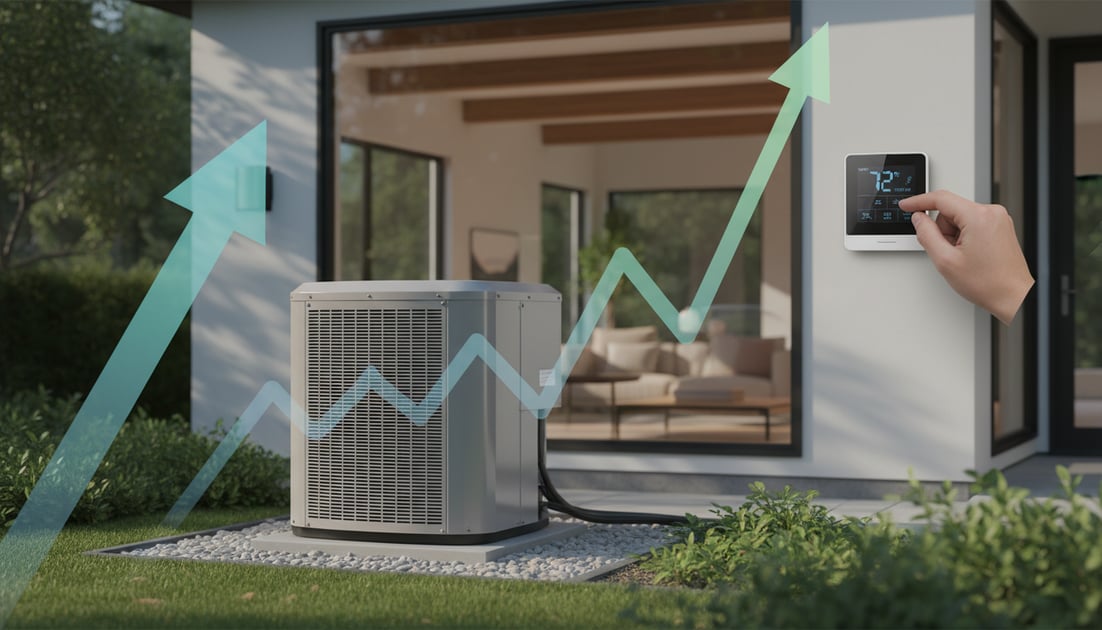
These four mechanisms compound. A well-maintained system with clean filters, calibrated controls, optimal refrigerant, and clean coils operates at manufacturer specifications. A neglected system accumulates inefficiencies that multiply into that 30% energy penalty. The numbers aren't marketing – they're physics.
Essential Components of an Effective HVAC Maintenance Plan
An effective HVAC maintenance plan is a structured schedule of preventative maintenance tasks designed to keep your system running efficiently year-round. It combines routine inspections, component servicing, and performance optimisation to prevent system failures whilst maximising energy savings.
Step 1: Quarterly Air Filter Inspection and Replacement – Your air filter protects your HVAC system from dust, debris, and pollutants that reduce efficiency. Check filters every three months and replace them when they appear dirty or clogged. Clean filters improve indoor air quality and reduce energy consumption by up to 15%.
Step 2: Bi-Annual Professional System Inspection – Schedule certified technician visits in spring and autumn. These scheduled inspections catch refrigerant leaks, worn components, and calibration issues before they escalate into costly emergencies. Technicians verify electrical connections, test safety controls, and measure system performance against manufacturer specifications.
Step 3: Annual Coil Cleaning and Refrigerant Check – Dirty evaporator and condenser coils reduce heat transfer efficiency by 20% or more. Professional coil cleaning restores capacity whilst refrigerant level verification ensures your compressor operates correctly. This single task delivers significant cost savings through improved climate control.
Step 4: Smart Thermostat Calibration and Ventilation Assessment – Temperature sensor accuracy drifts over time, causing energy waste through overshooting. Annual calibration keeps your smart thermostat precise. Simultaneously, technicians assess ventilation pathways and humidity control systems to maintain proper airflow throughout your property.
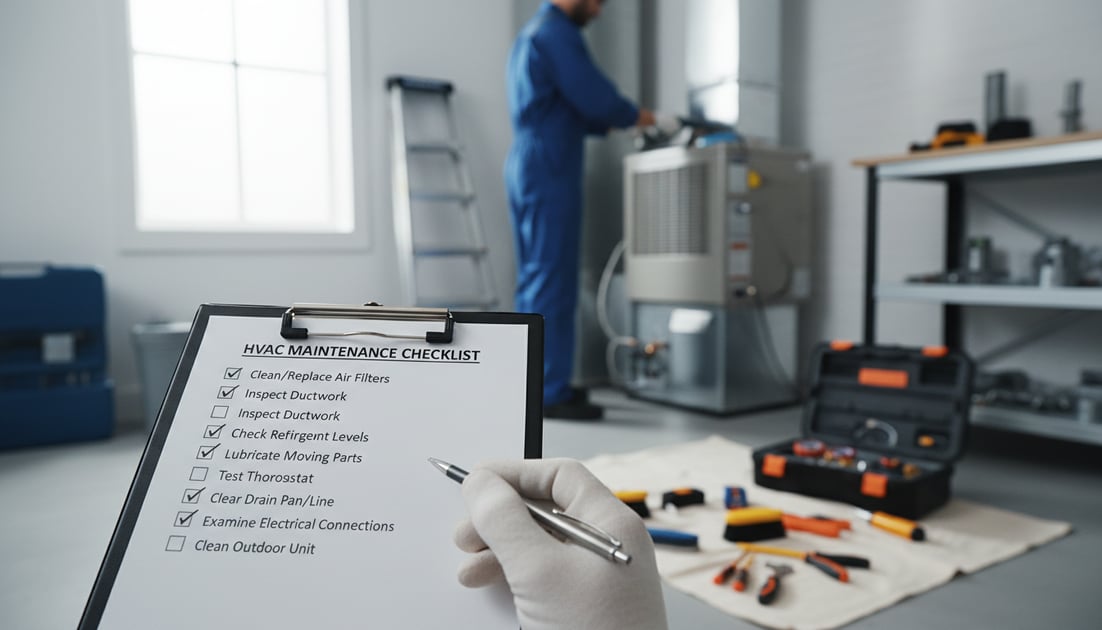
Be Cool Air Conditioning structures maintenance plans around these four pillars, creating a comprehensive maintenance checklist that addresses every efficiency factor. The table below shows recommended frequency for essential tasks:
| Maintenance Task | Frequency | Energy Impact |
|---|---|---|
| Air filter replacement | Every 1-3 months | 5-15% savings |
| Professional system inspection | Twice yearly | 10-20% efficiency gain |
| Coil cleaning | Annually | 15-20% improvement |
| Thermostat calibration | Annually | 10-15% reduction |
Your maintenance plan should include documentation of each service visit, performance measurements, and recommendations for AC installation services when system longevity reaches its natural end. This record proves invaluable for warranty claims and helps you track system performance trends over years.
DIY Maintenance vs Professional HVAC Tune-Up: What You Need to Know
Understanding the boundary between homeowner tasks and professional HVAC maintenance service protects your system whilst keeping costs manageable. Some tasks genuinely belong in your hands. Others require certified technicians with diagnostic equipment and refrigerant handling licences.
What You Can Safely Handle Yourself
Air filter replacement tops the list of essential DIY tasks. You should inspect filters monthly and replace them every 1-3 months depending on usage. This simple action improves indoor air quality and delivers 5-15% energy savings immediately. Clean your outdoor unit's exterior surfaces quarterly, removing leaves, debris, and obstructions that restrict airflow. Check your smart thermostat batteries annually and verify temperature readings match an independent thermometer.
Keep ventilation registers clear and vacuum them seasonally. These tasks cost nothing beyond basic supplies and protect your investment between professional visits.
When Professional HVAC Tune-Up Becomes Essential
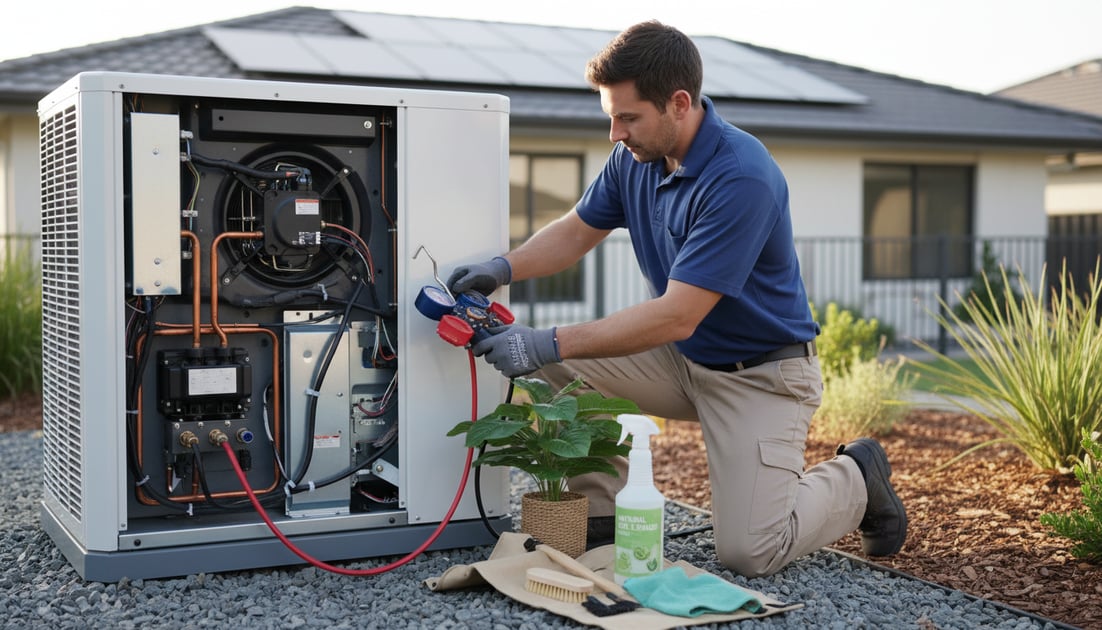
Refrigerant handling requires legal certification under F-Gas regulations. You cannot legally check levels, add refrigerant, or repair leaks yourself. Electrical diagnostics, compressor testing, and system inspection demand specialised equipment that measures airflow, temperature differentials, and electrical current draw. A professional HVAC tune-up includes calibration tasks impossible without proper solutions.
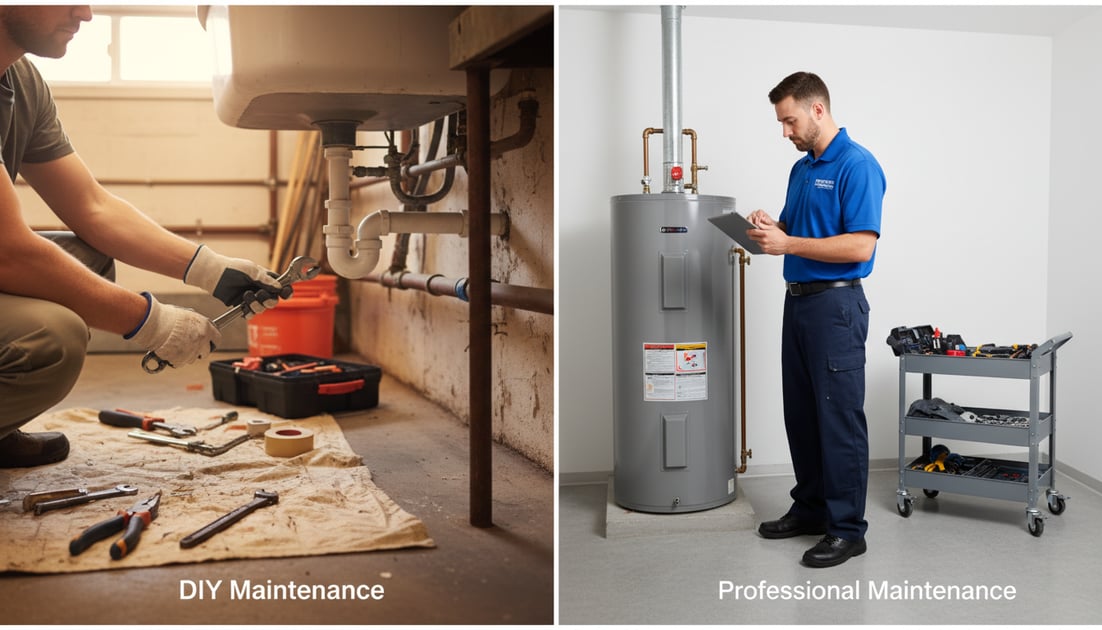
The cost-benefit calculation favours professional service. Annual tune-ups cost £80-150 but prevent system failures that average £500-2,000 to repair. Technicians catch worn components before they fail, optimise refrigerant charge, and clean internal coils you cannot safely access.
| Task Category | DIY Appropriate | Professional Required |
|---|---|---|
| Air filter changes | ✓ Monthly inspection | Annual filter housing check |
| Outdoor unit care | ✓ Debris removal | Coil cleaning, refrigerant check |
| Thermostat | ✓ Battery replacement | Calibration, wiring diagnostics |
| System performance | ✓ Monitor energy bills | Airflow measurement, efficiency testing |
Your role focuses on preventative maintenance between scheduled service appointments. Professionals handle the technical work that ensures system longevity and maximum cost savings. That division keeps your HVAC system running efficiently without risking damage from inexperienced attempts at complex repairs.
2026 Technology Upgrades That Maximise Energy Efficiency
Modern HVAC technology transforms how you control climate whilst slashing energy consumption. The upgrades available in 2026 combine artificial intelligence, real-time monitoring, and predictive analytics to deliver efficiency gains that weren't possible even two years ago.
1. AI-Powered Smart Thermostats With Learning Algorithms – Today's smart thermostat systems analyse your daily patterns and adjust temperature control automatically to eliminate waste. These devices learn when you're home, when you're sleeping, and when rooms sit empty. The result is precise climate control that reduces energy consumption by 15-23% compared to traditional programmable thermostats. They connect via Wi-Fi to provide remote access and send alerts when air filter replacement becomes necessary or system performance drops.
2. IoT Sensor Networks for Real-Time System Monitoring – Internet of Things (IoT) sensors track temperature, humidity control, and airflow throughout your property continuously. These networks detect efficiency losses immediately rather than waiting for your next scheduled service appointment. When refrigerant levels drop or a component begins failing, you receive instant notifications. Commercial installations using IoT monitoring systems have achieved 20% average energy savings by catching issues before they escalate into major inefficiencies.
3. Predictive Maintenance Platforms Using Machine Learning – Advanced platforms analyse your HVAC system's performance data to predict component failures weeks before they occur. This technology schedules preventative maintenance precisely when needed rather than following arbitrary calendar intervals. You avoid unnecessary service visits whilst preventing unexpected system failures. The cost savings compound through reduced emergency repairs and optimised system longevity.
4. Variable Speed Compressors With Adaptive Control – Unlike traditional single-speed systems that cycle on and off wastefully, variable speed technology adjusts compressor output to match your exact cooling or heating demand. This eliminates the energy spikes associated with startup cycles and maintains consistent indoor air quality. Systems with variable speed compressors typically consume 25-40% less energy than conventional equipment whilst providing superior comfort.
These technology upgrades work together synergistically. Your smart thermostat communicates with IoT sensors whilst predictive algorithms optimise your variable speed compressor's operation. That integrated approach delivers the substantial energy efficiency gains that translate directly into lower bills and reduced environmental impact.
Beyond Energy Bills: Additional Benefits of Regular Maintenance
Energy savings grab headlines, but regular HVAC maintenance delivers value that extends far beyond your monthly utility statement. These benefits protect your investment, improve your daily comfort, and safeguard your family's health in ways that compound over years.
1. Indoor Air Quality Improvement – Your HVAC system controls the air you breathe every single day. Regular system inspection and air filter replacement remove dust, allergens, pollen, and pollutants that accumulate in ductwork and on coils. Proper ventilation prevents stale air circulation whilst humidity control stops mould growth before it starts. Clean systems with functioning filters can reduce airborne particles by up to 99% when properly maintained, creating healthier living spaces for your family.
2. Property Value Protection – Well-maintained HVAC systems represent documented proof of responsible homeownership. When you sell your property, service records demonstrate system longevity and reliability to potential buyers. A functioning, efficient climate control system adds tangible value, whilst evidence of neglect raises red flags during inspections. Scheduled service protects your property investment through consistent performance.
3. Warranty Coverage Preservation – Most manufacturers require annual professional maintenance to honour warranty claims. Miss that preventative maintenance appointment and you risk voiding coverage worth thousands of pounds. Your warranty documentation explicitly states maintenance requirements – failing to meet them means you'll pay full price for component failures that should have been covered.
4. Mould Prevention Through Humidity Control – Condensation and poor ventilation create perfect conditions for mould growth inside ductwork and around coils. Regular maintenance ensures drainage systems function correctly and humidity levels stay within healthy ranges. This protects both your property structure and your respiratory health whilst avoiding costly remediation work.
Finding Trustworthy HVAC Maintenance Near Me
Searching for "hvac maintenance near me" reveals a frustrating reality: pricing remains deliberately vague on most company websites. You deserve transparent information before inviting technicians into your home.
1. Verify Certifications and Insurance Coverage – Legitimate HVAC maintenance service providers carry F-Gas certification for refrigerant handling and comprehensive liability insurance. Request proof before booking. Certified technicians understand system inspection protocols and legal requirements that protect your property. This verification step eliminates unqualified operators who cause more problems than they solve.
2. Demand Upfront Pricing for Standard Services – Trustworthy companies provide clear pricing ranges for routine preventative maintenance. Annual service visits typically cost £80-150 for residential properties. If a provider refuses to discuss costs until they arrive, that's a warning sign. Transparent pricing demonstrates respect for your budget and eliminates surprise charges.
3. Check Service Records and Customer Reviews – Look for established companies with documented history in your area. Maintenance and repair services held 53.55% of Europe's HVAC services market share in 2025, meaning experienced providers dominate this sector. Review platforms reveal patterns in quality, punctuality, and pricing honesty that marketing materials hide.
4. Prioritise Companies Offering Scheduled Service Agreements – Providers confident in their work offer maintenance plans with fixed annual pricing. These agreements include regular system inspection, air filter replacement reminders, and priority scheduling. They demonstrate commitment to system longevity rather than profiting from emergency repairs and high energy costs caused by neglect.
Local doesn't automatically mean trustworthy. Verify credentials, demand pricing transparency, and choose providers who invest in long-term customer relationships over one-time transactions.
Your Next Steps to Slashing Energy Costs
The path to 30% energy savings starts with a single decision: commit to preventative maintenance today. Your HVAC system won't fix itself, and every month of neglect adds pounds to your energy bills whilst reducing system longevity. The mathematics work strongly in your favour – annual maintenance costing £80-150 delivers £300+ in cost savings year after year for the average UK household.
Start by scheduling a professional system inspection with Be Cool Air Conditioning. Their certified technicians assess refrigerant levels, clean coils, calibrate your smart thermostat, and identify efficiency losses that drain your wallet silently. Between professional visits, replace air filters quarterly and keep outdoor units clear of debris. These simple actions maintain indoor air quality and protect your investment.
The 30% reduction opportunity exists right now. Systems neglected for even one year lose efficiency that compounds into high energy costs and eventual system failure. You've read the evidence. You understand the cost-benefit analysis.
Contact Be Cool Air Conditioning to book your maintenance appointment and start capturing those energy savings immediately. Your comfort, your budget, and your HVAC system's lifespan all improve from this single action.