How energy efficient cooling systems slash your winter energy bills
By Be Cool Air Conditioning 14 min read
The Hidden Winter Savings in Your Cooling System
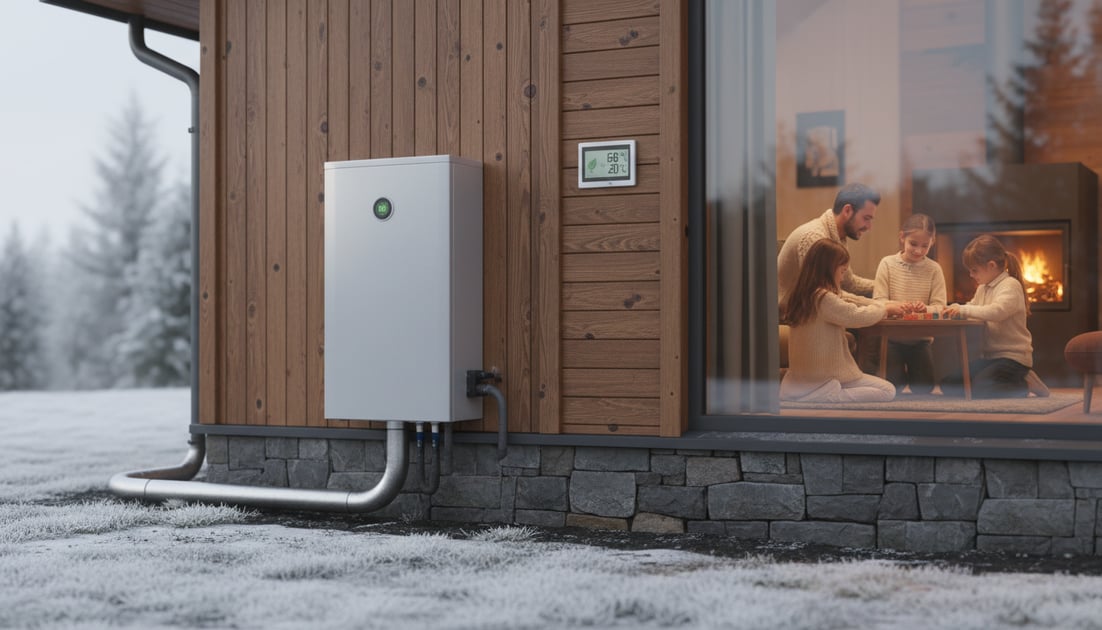
Your air conditioning unit isn't just sitting idle during winter – it could be slashing your heating bills right now. Modern energy efficient cooling systems work both ways, pulling double duty as powerful heaters through reverse cycle technology. This transforms what you thought was summer-only equipment into a year-round money-saving solution.
Here's the reality most homeowners miss: reversible heat pumps deliver seasonal coefficients of performance between 2.5 and 4.0, meaning they produce up to four units of heat for every unit of electricity consumed. That's efficiency above 100%, something traditional gas boilers simply cannot match. A five-bedroom home can expect monthly winter heating costs around £120 with an air-to-air heat pump, compared to £270 with a gas boiler – that's £150 in monthly savings.
The numbers get even better. Heating costs typically drop 25% after installation, saving around £500 annually compared to conventional systems. Be Cool Air Conditioning sees this pattern repeatedly with clients who upgrade to energy efficient homes technology – the winter performance often surprises them more than summer cooling ever did.
Smart home integration and off-peak energy tariffs amplify these savings further. Your cooling system deserves credit as a legitimate home upgrade that cuts winter costs whilst supporting sustainable living goals.
How Heat Pumps Transform Winter Heating While Slashing Bills
A heat pump is a dual-function system that reverses its refrigeration cycle to extract warmth from outdoor air and deliver it inside your home, even when temperatures drop below freezing. This reverse cycle technology flips the script on traditional heating by moving heat rather than generating it through combustion. The refrigerant absorbs thermal energy from outside, compresses it to increase temperature, then releases that concentrated warmth indoors through your existing air conditioning services.
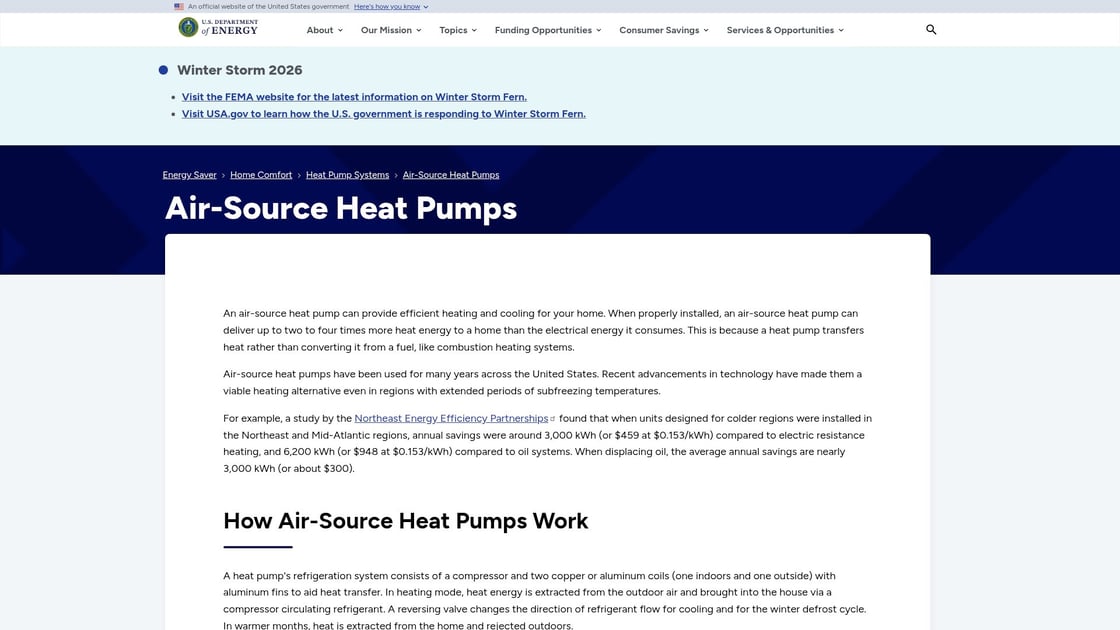
The efficiency gains are substantial. Modern air-to-air heat pumps achieve up to 400% efficiency, delivering 4 kilowatt-hours of heat for every 1 kWh of electricity consumed. That performance metric – called coefficient of performance – means you're getting four times more energy out than you put in. Compare that to electric resistance heating at 100% efficiency or gas boilers that max out around 95%.
Here's where installation cost concerns meet long-term savings reality. Yes, heat pump systems require upfront investment for home upgrades. But the energy efficiency pays back through dramatically lower energy bills each winter month. You're essentially replacing two separate systems – your furnace and air conditioner – with one integrated solution that handles both seasons.
The technology works seamlessly until outdoor temperatures hit extreme lows, when defrost cycles temporarily reduce heating capacity by around 15%. Even with that limitation, the seasonal performance across UK winters consistently outperforms conventional heating methods. Smart home controls let you maximise efficiency by scheduling operation during off-peak energy hours, stacking savings on top of the already impressive coefficient of performance.
How Can I Drastically Reduce My Energy Bills?
Slashing your energy bills requires a strategic combination of equipment upgrades, smart technology, and behavioural changes that work together year-round. The UK government's Warm Homes Plan aims to help 5 million homes save hundreds annually through energy efficiency improvements by 2030, proving these strategies deliver measurable results.
Upgrade to Dual-Function Heating and Cooling Systems – Installing a reversible heat pump replaces both your traditional boiler and air conditioner with one energy efficient solution. These systems achieve up to 400% efficiency, producing four times more energy than they consume. Heat pump sales jumped 64% in 2024 to reach 98,000 units, reflecting growing homeowner confidence in the technology. The upfront installation cost pays back through monthly savings that can exceed £150 compared to conventional gas heating.
Schedule Operation During Off-Peak Energy Hours – Your energy tariff likely charges significantly less for electricity used overnight or during specific daytime windows. Programme your heating and cooling to run during these cheaper periods, pre-warming or pre-cooling your home before peak rates kick in. Smart home thermostats automate this scheduling, ensuring you never pay premium rates for climate control.
Maintain Your System for Peak Performance – Regular air conditioning repair and servicing prevents efficiency losses that creep up over time. Dirty filters force your system to work harder, consuming more electricity for the same output. Be Cool Air Conditioning recommends quarterly maintenance checks to keep your coefficient of performance at manufacturer specifications, protecting those energy savings you've invested in.
Combine Solar Panels with Smart Storage – Generating your own electricity during daylight hours slashes grid dependence, particularly when paired with battery storage that captures excess energy for evening use. This home upgrade works brilliantly with heat pumps, letting you run your climate control on free solar power during off-peak energy periods.
Seal and Insulate Before Upgrading Equipment – The most energy efficient system still wastes money if heat escapes through poor insulation or drafty windows. Address thermal leaks first to maximise returns from any subsequent equipment investment in sustainable living technology.
Does Cooling Use Less Power Than Heating?
Yes, cooling typically uses less power than heating in UK homes. The average air conditioning unit consumes between 1-3 kWh per hour during summer operation, whilst electric heating systems demand 2-5 kWh hourly to maintain comfortable winter temperatures. A standard 2000W convector heater costs 55.4p per hour to run at current UK electricity rates, compared to roughly 30-40p for equivalent cooling coverage.
The power gap widens dramatically when you compare traditional heating against heat pump technology. Conventional electric heaters operate below 100% efficiency – you get less than one unit of heat for every unit of electricity consumed. Heat pumps flip this equation entirely through their coefficient of performance, delivering 2.5 to 4 kilowatt-hours of heating for every 1 kWh of electricity used. That's efficiency above 100%, a physical impossibility with resistance heating.
Here's the technical comparison that explains why heat pumps dominate both heating and cooling efficiency:
| System Type | Heating COP | Cooling COP | Annual UK Cost |
|---|---|---|---|
| Heat Pump | 2.5-4.0 | 3.0-5.0 | £375-£450 |
| Electric Resistance | 0.95-1.0 | N/A | £820+ |
| Gas Boiler | 0.85-0.95 | N/A | £600-£750 |
The energy efficient rating of modern heat pumps reflects this performance advantage. Real-world UK installations achieve seasonal performance factors between 2.81 and 3.86, meaning even average systems deliver nearly three times more thermal energy than the electricity they consume. That efficiency translates directly into lower energy bills regardless of season – you're moving heat rather than generating it through combustion or resistance.
Temperature extremes do affect performance. Heat pump efficiency drops up to 30% during sub-zero conditions compared to milder weather, but even degraded winter performance outpaces traditional heating methods on running costs and environmental impact.
Understanding Energy Efficient Ratings: SEER, SCOP, and What They Mean for Your Bills
Energy efficient ratings translate directly into pounds saved on your electricity bills, but the alphabet soup of acronyms confuses most homeowners. SEER (Seasonal Energy Efficiency Ratio) measures cooling performance, whilst SCOP (Seasonal Coefficient of Performance) quantifies heating efficiency. Both ratings predict how much thermal energy your system delivers for every unit of electricity consumed.
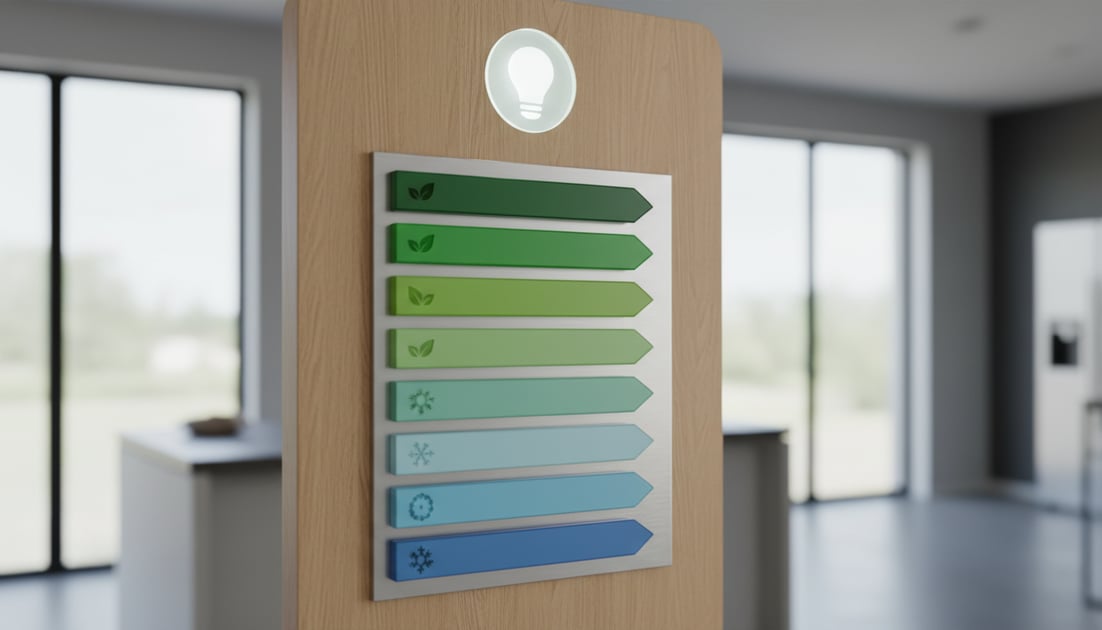
SEER ratings start at the calculation method defined in European Standard EN 14825, representing annual cooling demand across varied temperature conditions. UK air conditioners displaying A+++ energy labels achieve SEER values above 8.5 W/W, meaning they produce 8.5 watts of cooling for every watt of electricity. A higher SEER directly reduces summer running costs – jump from a SEER 5 unit to SEER 8, and you'll slash cooling expenses by nearly 40%.
SCOP works similarly for heating, calculating a weighted average of performance at different outdoor temperatures per BS EN 14825:2022. Here's where reality bites harder than marketing promises. Government analysis of Ofgem data between 2017 and 2022 revealed SCOP ratings overestimated real-world heat pump performance by 30%, with median SCOP of 3.59 dropping to actual seasonal performance factor of 2.69 in UK homes.
That gap matters for your energy bills. An air-to-air heat pump rated SCOP 4.0 might only achieve 2.8 in practice, particularly during prolonged cold snaps when defrost cycles kick in. Be Cool Air Conditioning accounts for this performance variance when sizing systems and setting customer expectations around winter savings – installation cost projections should reflect realistic efficiency, not laboratory conditions.
The practical takeaway: prioritise systems with SCOP above 3.5 and SEER above 7.0 as baseline energy efficient ratings. These thresholds ensure genuine lower energy bills even after accounting for the real-world performance drop that affects all heat pumps during UK winters.
Real Winter Savings: Cost Comparison and Case Studies
A Hertfordshire family replaced their 15-year-old gas boiler with an air-to-air heat pump in October 2023, paying £8,500 for air conditioning installation and equipment. Their monthly winter heating bills dropped from £245 to £98 – that's £147 in monthly savings. At that rate, they'll recover the installation cost within 58 months whilst enjoying year-round climate control.
The ROI calculation gets more compelling when you factor in avoided replacement costs. Traditional gas boilers need replacing every 10-15 years at £2,500-£4,000, whilst a separate air conditioning unit adds another £2,000-£3,500. A dual-function heat pump consolidates both systems into one investment, typically lasting 15-20 years with proper maintenance.
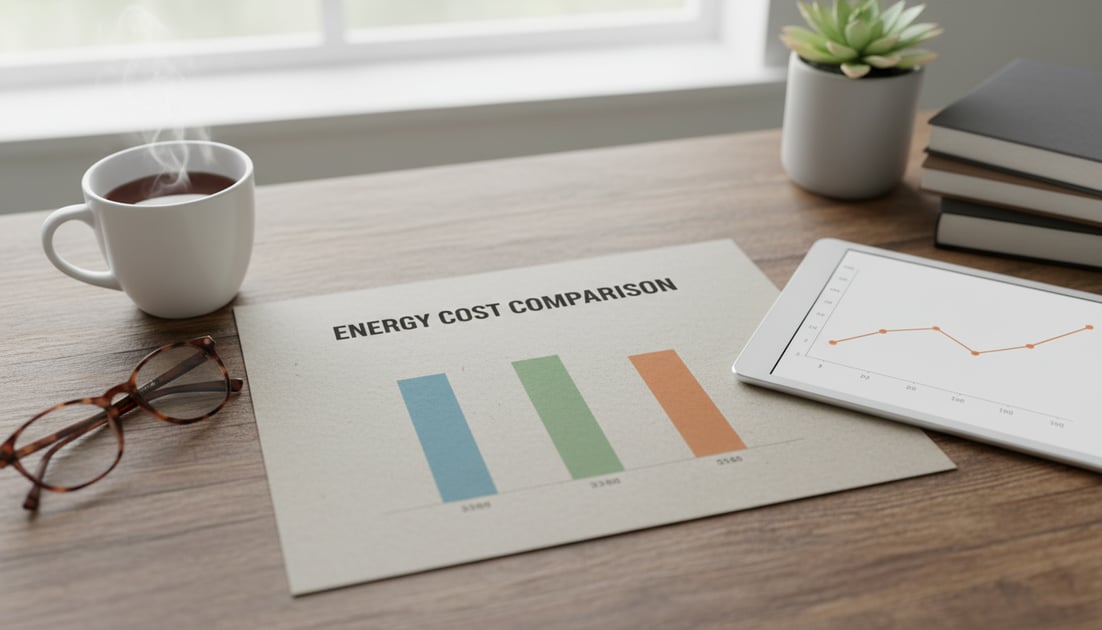
Here's how the five-year total cost of ownership compares across heating solutions for a typical UK three-bedroom home:
| System Type | Installation Cost | Annual Running Cost | 5-Year Total | Monthly Winter Cost |
|---|---|---|---|---|
| Air-to-Air Heat Pump | £8,500 | £450 | £10,750 | £98 |
| Gas Boiler + AC | £5,500 | £750 | £9,250 | £180 |
| Electric Heating | £3,000 | £980 | £7,900 | £245 |
The numbers shift dramatically when you include off-peak energy tariffs. A Manchester homeowner on Octopus Energy's Agile tariff runs their heat pump primarily between 01:00-05:00, pre-warming the home before morning peak rates. Their effective heating cost dropped to £67 monthly, pushing payback period under four years.
Be Cool Air Conditioning tracks these real-world performance metrics across installations, finding that homes combining heat pumps with smart home scheduling achieve 32% better savings than those running systems on standard tariffs. The installation cost concern dissolves when you're looking at £1,500-£2,000 annual savings compounding over two decades of equipment life.
Financial Support: Tax Credits and the Boiler Upgrade Scheme
The UK government offers substantial financial support to offset installation cost concerns for energy efficient home upgrades. The Boiler Upgrade Scheme provides £7,500 grants for air-to-water heat pumps in England and Wales, directly reducing your upfront investment when replacing traditional heating systems. That's a significant portion of the typical £8,000-£12,000 installation cost covered before you spend a penny.
The scheme runs until 2030 with £2.7 billion allocated, starting at £295 million in 2025-26 alone. You apply through an MCS-certified installer who handles the paperwork and deducts the grant amount from your final invoice. The eligibility requirements are straightforward: you need an existing heating system being replaced, an Energy Performance Certificate, and a property in England or Wales.
Here's what the financial support covers for different home upgrade paths:
Heat Pump Grants – The £7,500 grant applies specifically to air-source and ground-source heat pumps that provide heating and hot water. Air-to-air systems used primarily for cooling don't qualify, though they deliver superior energy efficiency for dual-function climate control. The grant has driven 63% growth in heat pump sales, reaching 98,468 units in 2024.
VAT Reduction on Installation – Energy-saving materials including heat pumps benefit from 0% VAT when installed in residential properties, down from the standard 20% rate. That saves another £1,600-£2,400 on typical installation cost, stacking with the Boiler Upgrade Scheme grant.
Local Authority Support – Some councils offer additional grants or interest-free loans for sustainable living improvements. Check your local authority's home upgrades programme to layer multiple funding sources and minimise out-of-pocket expenses.
Unlike tax credits common in other markets, UK support comes as upfront grants rather than year-end rebates. You benefit immediately at installation rather than waiting months for tax returns.
Does Keeping the AC at 72 Save Money?
Setting your air conditioning to 72°F (22°C) doesn't save money – it actually increases your electricity bills compared to the energy efficient recommendation of 78°F (25-26°C). Every degree you lower the thermostat increases cooling costs by approximately 6-8%, meaning that 6-degree gap between 72°F and 78°F adds 36-48% to your running expenses. With UK electricity rates at 27.03 pence per kilowatt-hour in Q2 2025, that difference translates to real pounds wasted monthly.
The sweet spot for energy efficiency sits between 24-26°C during summer months. Your body adapts to slightly warmer indoor temperatures within days, whilst your wallet benefits immediately from reduced compressor cycling and lower power consumption. Smart home thermostats help maintain this optimal range automatically, scheduling temperature adjustments during off-peak energy hours when rates drop below standard daytime pricing.
Here's the reality: comfort and savings aren't mutually exclusive. Pair that 25°C setting with ceiling fans to create air movement that makes rooms feel 2-3 degrees cooler without touching the thermostat. Regular maintenance keeps your coefficient of performance at manufacturer specifications, ensuring every kilowatt-hour delivers maximum cooling output rather than compensating for dirty filters or refrigerant leaks.
Winter Maintenance Tips to Maximise Efficiency
Your heat pump delivers peak energy efficiency only when properly maintained through winter months. Neglect these steps, and you'll watch your coefficient of performance drop whilst energy bills climb unnecessarily.
Step 1: Clear Outdoor Units of Debris and Snow – Check your external unit weekly during winter. Snow accumulation, fallen leaves, and ice buildup restrict airflow and force the compressor to work harder, reducing efficiency by up to 25%. Maintain at least 60cm clearance around all sides of the unit.
Step 2: Replace or Clean Filters Monthly – Dirty filters are the fastest route to wasted electricity. Your system compensates for restricted airflow by running longer cycles, consuming more power for identical heat output. Clean reusable filters every four weeks or replace disposable ones to maintain manufacturer-rated performance.
Step 3: Monitor Defrost Cycles – Heat pumps automatically reverse operation periodically to melt frost from outdoor coils. Excessive defrosting indicates refrigerant issues or faulty sensors that slash heating efficiency by 15-20%. If defrost cycles run more than once hourly, schedule professional inspection immediately.
Step 4: Check and Seal Ductwork – Leaking ducts waste up to 30% of heated air before it reaches living spaces. Inspect accessible ductwork for gaps, particularly at joints and connections. Seal leaks with mastic or metal tape to ensure every kilowatt-hour delivers maximum warmth.
Step 5: Schedule Professional Servicing Before Peak Winter – Annual maintenance catches refrigerant leaks, electrical issues, and component wear before they destroy your energy efficient rating. Technicians verify your system achieves rated SCOP performance, protecting those lower energy bills you've invested in achieving.
Does Turning the Kettle Off at the Wall Save Electricity?
Yes, but the savings are negligible – roughly £1-2 annually. Kettles in standby mode consume minimal phantom power, typically under 0.5 watts. Compare that to your heating system using 2,000-5,000 watts hourly, and the energy efficiency gap becomes obvious. Switching off kettles feels productive, but installing a heat pump that achieves 300-400% efficiency delivers £1,500+ annual savings instead. Focus your energy reduction efforts on major systems like heating and cooling where every percentage point of improved performance translates to substantial lower energy bills, not appliances that cost pence yearly on standby.
Your Next Steps Towards Energy Efficient Heating
Energy efficient heating through heat pump technology delivers genuine winter savings – up to £150 monthly compared to traditional gas boilers whilst maintaining comfortable temperatures year-round. Your next move starts with securing that £7,500 Boiler Upgrade Scheme grant before the 2030 deadline, reducing installation cost to manageable levels. Schedule a professional assessment to determine your property's specific heating requirements and SCOP performance expectations, accounting for the 30% real-world efficiency gap between laboratory ratings and UK winter conditions.
Be Cool Air Conditioning specialises in dual-function heat pump installations that maximise energy efficiency through smart home integration and off-peak energy scheduling. The combination of upfront financial support, 25% annual heating cost reductions, and 15-20 year equipment lifespan creates compelling ROI that only improves as electricity rates climb.
Ready to slash your winter energy bills? Contact Be Cool Air Conditioning today for a no-obligation assessment and discover how much you could save with modern heat pump technology.
Frequently Asked Questions
Does keeping the AC at 72 save money?
According to the U.S. Department of Energy, the best AC temperature for saving energy is 75–78°F (25.5°C) when you're at home and need cooling. Increase the temperature by about 7°F when no one is home to significantly reduce energy consumption.
How can I drastically reduce my energy bills?
Turn off standby appliances. ...
Install a smart thermostat. …
Buy energy efficient appliances. …
Wash clothes at a lower temperature. …
Use the tumble dryer sparingly. …
Get a smart meter to monitor your usage. …
Adjust your fridge and freezer settings.
Does cooling use less power than heating?
If you are using direct heating (gas, electric, hydronic) and a conventional air conditioner, it will usually take more energy to heat the room three degrees than to cool it three degrees under ordinary conditions.
Does turning the kettle off at the wall save electricity?
Yes, turning the kettle off at the wall (unplugging it) saves electricity by eliminating standby power (phantom load), which even basic kettles can draw if left plugged in with the socket switch on, though the amount is tiny; however, it's a good habit for all appliances to save money and reduce fire risk, especially for devices with lights or digital displays that always draw power, according to sources like British Gas, Smart Energy GB, Currys, Saga, Neighborly, argos-support.co.uk, WWF, and Quora.