Best energy efficient cooling systems for UK homes in 2026
By Be Cool Air Conditioning 13 min read
Why Energy-Efficient Cooling Matters More Than Ever in 2026
The UK just recorded its warmest year on record. 2025 saw temperatures hit 10.09°C, surpassing the previous record, and climate scientists confirm human-induced warming made this 260 times more likely. That's not abstract data – it's your summer getting hotter, your bedroom uncomfortable at night, your office stifling by midday.
Energy costs aren't helping. Electricity prices rose 5.1% in January 2026 to 23.33p per kilowatt-hour, and forecasts suggest the price cap will climb to £1,635 by Q4. Traditional cooling systems can push bills even higher, which is why homeowners are shifting toward smarter solutions. Energy-efficient cooling systems deliver genuine energy bill savings – some users report £45 monthly reductions after switching to DC motor ceiling fans alone.
Sustainable cooling isn't a trend anymore. It's the practical response to climate reality and rising costs combined.
What is the Most Energy-Efficient House Cooling System?
Heat pumps are the gold standard for energy-efficient cooling systems in UK homes. They deliver both heating and cooling from a single platform, achieving seasonal performance factors (SPF) averaging 3.86 in real-world UK installations – meaning you get 3.86 units of thermal energy for every unit of electricity consumed. That's not marketing hype. That's data from 594 monitored systems across the country.
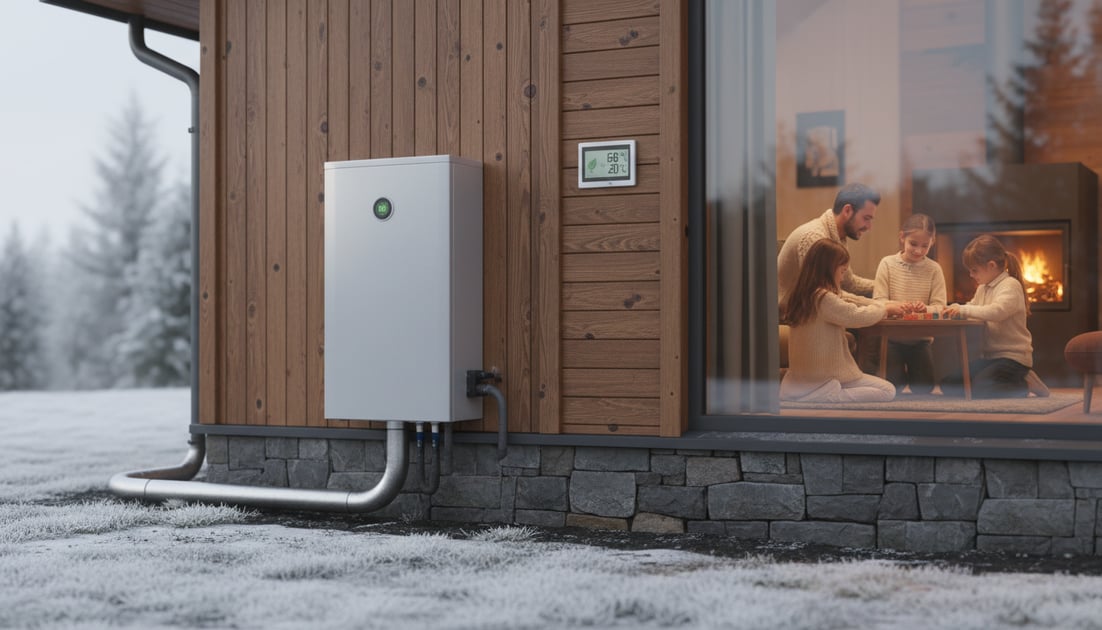
Air source heat pumps extract thermal energy from outdoor air, even when temperatures drop. They're the most popular choice because installation costs are lower than ground source alternatives, and they work brilliantly for residential cooling during summer months. You'll see them mounted on external walls or positioned in gardens, quietly moving heat in or out depending on the season.
Ground source heat pumps go deeper – literally. They use buried pipes to exchange heat with the earth, which maintains consistent temperatures year-round. Installation cost runs higher due to groundworks, but efficiency gains justify the investment for many homeowners. The Boiler Upgrade Scheme currently offers £7,500 grants toward heat pump installations, making low carbon heating more accessible.
Be Cool Air Conditioning works with homeowners evaluating air conditioning services alongside heat pump options, helping you calculate heat loss and radiator sizing to match your property's specific needs. The right cooling system depends on your home insulation, available space, and whether you're considering underfloor heating integration. Heat pumps aren't just efficient – they're future-proof technology aligned with UK net-zero targets.
Types of Energy-Efficient Cooling Systems for UK Homes
Heat pumps dominate efficiency conversations, but they're not your only option. The residential cooling market commanded 74.68% of UK HVAC revenue in 2025, and homeowners are exploring alternatives that balance performance with running costs. Here's the full spectrum of cooling systems for homes worth considering.
1. Air Source Heat Pumps – These extract heat from outdoor air and reverse the process during summer to cool your property. Installation cost typically ranges £7,000-£11,000, but the Boiler Upgrade Scheme covers £7,500 of that investment. They integrate beautifully with underfloor heating and existing radiator sizing when you've completed proper heat loss calculation.
2. Ground Source Heat Pumps – Buried pipes exchange thermal energy with stable underground temperatures. Higher upfront costs pay off through superior efficiency in larger properties with garden space. They're particularly effective when home insulation meets modern standards.
3. Split-System Air Conditioning – Traditional HVAC platforms that cool specific rooms efficiently. Be Cool Air Conditioning handles air conditioning installation for homeowners who need targeted cooling rather than whole-house solutions. These work brilliantly for hot bedrooms or south-facing offices.
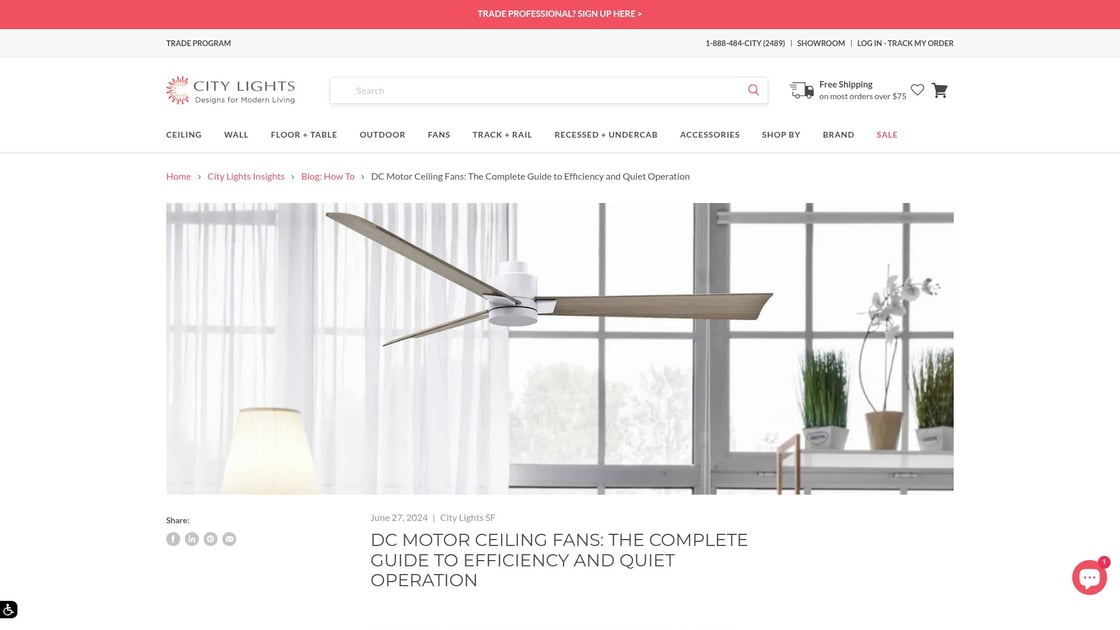
4. DC Motor Ceiling Fans – The surprise champion of cost-effective cooling. Users report £45 monthly electricity savings compared to traditional AC. They consume 70% less energy than AC motor equivalents and move air efficiently enough for most UK summer conditions.
5. Whole-House Ventilation Systems – Mechanical ventilation with heat recovery (MVHR) exchanges stale indoor air with fresh outdoor air while recovering thermal energy. Perfect for airtight modern builds where natural airflow is limited.
6. Evaporative Coolers – These work by evaporating water to reduce air temperature. They're energy-efficient but struggle in humid UK climates, making them better suited for Scotland's drier conditions than southern England.
| System Type | Typical Running Cost | Best For | Installation Complexity |
|---|---|---|---|
| Air Source Heat Pump | £400-£600/year | Year-round heating/cooling | Medium |
| DC Ceiling Fans | £20-£50/year | Supplementary cooling | Low |
| Split-System AC | £150-£300/year | Targeted room cooling | Medium |
| Whole-House Ventilation | £100-£200/year | New builds, renovations | High |
Regional climate matters. Scotland's cooler summers suit passive cooling systems components like ceiling fans and ventilation. Southern England's warmer conditions justify investment in air conditioning repair and maintenance for active cooling platforms. Match your cooling system to your actual climate needs, not assumptions.
How to Choose the Right Cooling System for Your Home
Step 1: Assess Your Property Type and Available Space
Start with physical constraints. Flats and terraced houses suit split-system air conditioning or DC ceiling fans because external space is limited. Detached properties with gardens can accommodate air source or ground source heat pumps. Measure your outdoor area – ground source systems need 150-200 square metres of garden for horizontal pipe layouts. Air source units require just 1-2 square metres of wall or ground space.
Step 2: Calculate Your Home's Heat Loss and Insulation Performance
Request a professional home survey before committing to any cooling system. Heat loss calculation reveals how much thermal energy your property gains during summer and loses during winter. Homes built after 2006 typically have cavity wall insulation and double glazing, making them ideal candidates for heat pumps. Older properties with poor home insulation may need upgrades first, or they'll waste energy cooling spaces that can't retain comfortable temperatures.
Step 3: Match System to Your Climate Zone
Scotland's cooler summers average 15-17°C, making passive cooling like ceiling fans and whole-house ventilation perfectly adequate. Southern England regularly exceeds 25°C in summer, justifying investment in active cooling platforms. Edinburgh homeowners rarely need the same cooling capacity as those in Brighton.

Step 4: Set a Realistic Budget Including Installation Cost
Air source heat pumps cost £7,000-£11,000 installed, but the Boiler Upgrade Scheme reduces that by £7,500. DC ceiling fans run £200-£500 per room. Split-system air conditioning sits between £1,500-£3,500 depending on capacity. Factor in running costs – heat pumps deliver 3.86 units of cooling per unit of electricity, while ceiling fans cost just £20-£50 annually to operate.
Step 5: Consider Integration with Existing Infrastructure
Planning underfloor heating or radiator sizing upgrades? Heat pumps integrate seamlessly with both. Already have ductwork? Whole-house ventilation becomes more cost-effective. Be Cool Air Conditioning evaluates existing infrastructure during consultations, identifying which cooling systems work with what you've already installed rather than forcing complete replacements.
Will HVAC Systems Cost More in 2026?
Yes, HVAC systems will cost more in 2026 compared to previous years. The UK HVAC market reached £2.77 billion in 2026 and continues growing at 3.89% annually, driven by rising material costs, labour shortages, and increased demand for energy-efficient cooling systems. Installation cost varies dramatically depending on which platform you choose.
Air source heat pumps represent the biggest investment, ranging £8,000-£16,000 fully installed for residential properties. That's significantly higher than the £3,000-£4,000 you'd pay for a traditional gas boiler. However, the Boiler Upgrade Scheme's £7,500 grant reduces your actual outlay to £500-£8,500, making heat pumps financially competitive. If you're adding cooling functionality to an existing air source heat pump, expect an additional £1,250 per room.
Split-system air conditioning costs around £1,200 for single-room installations in 2026. Multi-room setups scale upward to £3,500-£5,000 depending on capacity and complexity. DC motor ceiling fans remain the most cost-effective option at £200-£500 per room, with negligible installation complexity.
Running costs matter as much as upfront investment. With electricity at 23.33p per kilowatt-hour in early 2026, here's what you'll actually spend:
| System Type | Installation Cost | Annual Running Cost | 5-Year Total Cost | Energy Savings vs Traditional AC |
|---|---|---|---|---|
| Air Source Heat Pump | £8,000-£16,000 (£500-£8,500 after grant) | £400-£600 | £2,500-£11,500 | 60-70% reduction |
| Split-System AC | £1,200-£5,000 | £150-£300 | £1,950-£6,500 | Baseline comparison |
| DC Ceiling Fans | £200-£500 | £20-£50 | £300-£750 | £540 annual savings (£45/month) |
| Ground Source Heat Pump | £15,000-£25,000 | £300-£500 | £16,500-£27,500 | 70-80% reduction |
Return on investment depends entirely on your usage patterns and property type. Heat pumps deliver payback within 7-10 years through combined heating and cooling efficiency. DC ceiling fans recoup installation cost within months if you're replacing traditional air conditioning. Ground source systems need 15-20 years to break even unless you're building new construction where groundworks happen anyway.
Material costs aren't dropping. Labour rates continue climbing. If you're planning installation, 2026 pricing represents the new baseline, not a temporary spike.
Government Grants and Financing Options in 2026
UK homeowners can access substantial financial support for energy-efficient cooling systems in 2026, dramatically reducing installation cost. The Boiler Upgrade Scheme remains the primary funding mechanism, but additional programmes exist for eligible households.
1. Boiler Upgrade Scheme – This government programme provides £7,500 grants toward air source or ground source heat pump installations in England and Wales. You'll need a valid Energy Performance Certificate issued within the last 10 years, and the system must replace fossil fuel heating or direct electric systems. The scheme runs until 31 December 2027, making 2026 an ideal window for upgrades. New builds and properties with existing low-carbon heating don't qualify.
2. ECO4 Scheme – The Energy Company Obligation targets low-income households and properties with poor home insulation. Major energy suppliers fund insulation upgrades, which directly improve cooling system efficiency by reducing heat loss calculation requirements. Eligibility depends on benefits status or property energy rating below band D.
3. Local Authority Grants – Regional councils offer additional support through programmes like Warm Homes: Local Grant. Scotland's Home Energy Scotland provides separate funding pathways, including interest-free loans for heat pump installations. Check your local council website for area-specific schemes that stack with national grants.
4. Green Finance Options – Retailers and installers increasingly offer 0% APR financing across 12-36 months, spreading costs without interest penalties. Be Cool Air Conditioning discusses financing during consultations, helping you combine grants with payment plans to make heat pumps accessible without upfront capital.
The £7,500 Boiler Upgrade Scheme grant transforms heat pump economics. An £11,000 air source installation drops to £3,500 after subsidy – comparable to traditional systems but delivering year-round heating and cooling efficiency.
What New Heating Sources Will Be Suitable for Buildings After 2035?
Heat pumps will dominate UK buildings after 2035 as the government phases out fossil fuel heating systems to meet net-zero targets. The UK's Heat and Buildings Strategy mandates that all new heating systems installed from 2035 onwards must be low carbon heating solutions, effectively banning gas boilers in new installations. Air source and ground source heat pumps emerge as the primary technologies because they deliver both heating and cooling from renewable electricity.
F-Gas regulations tighten restrictions on refrigerants used in traditional air conditioning systems, pushing manufacturers toward natural refrigerants like R290 (propane) and R32. These changes make modern heat pumps increasingly eco-friendly while maintaining efficiency. You'll see installation costs stabilise as the market scales – the government projects 600,000 annual heat pump installations by 2028, driving competition and reducing prices.

Hybrid systems combining heat pumps with existing infrastructure offer transition pathways for properties where full electrification proves challenging. District heating networks using waste heat from industrial processes will serve densely populated urban areas. Hydrogen boilers remain under development but face infrastructure challenges that make widespread adoption unlikely before 2040.
Be Cool Air Conditioning helps property owners future-proof their heating and cooling systems now, ensuring compliance with upcoming regulations while maximising Boiler Upgrade Scheme grants before 2035 deadlines arrive. The transition isn't optional – it's legislated, making early adoption both financially smart and environmentally necessary.
Installation Considerations and System Integration
A three-bedroom semi-detached house in Reading recently needed heat pump installation, but the existing radiators were sized for a 70°C gas boiler, not the 45-55°C output of heat pumps. The homeowner faced a choice: replace every radiator or install larger units in key rooms. Radiator sizing calculations revealed that upgrading just four radiators in living areas would maintain comfort, saving £2,400 compared to whole-house replacement.
Heat loss calculation drives every installation decision. Professional surveys measure your property's thermal performance, accounting for wall insulation, window quality, and air leakage. This determines whether your current radiators can handle lower flow temperatures or need upsizing. Homes built before 2000 typically require 20-40% larger radiators when switching to heat pumps.
Underfloor heating integration offers the best match for heat pump efficiency. These systems operate at 35-45°C, perfectly aligned with heat pump output temperatures. Retrofitting underfloor heating costs £75-100 per square metre, but delivers superior comfort and eliminates radiator replacement entirely. Ground floor installations prove most cost-effective, leaving upper floors with upgraded radiators.
Smart home integration transforms basic cooling systems into responsive platforms. Internet of Things (IoT) thermostats like Nest or Tado learn your schedule and adjust temperatures automatically, reducing energy waste by 15-20%. They connect to air source heat pumps, split-system air conditioning, and whole-house ventilation through WiFi, letting you control everything from your phone. Some systems integrate with Octopus Energy's Agile tariff, shifting cooling loads to cheaper off-peak hours automatically.
Installation complexity varies dramatically. DC ceiling fans take two hours per room. Split-system air conditioning requires refrigerant handling certification and outdoor unit mounting. Heat pumps need electrical upgrades, potentially new radiators, and careful positioning to minimise noise. Budget three days minimum for professional heat pump installation including radiator sizing adjustments and system commissioning.
Maximizing Efficiency: Maintenance and Running Costs
Regular servicing directly impacts how much you spend on electricity. Heat pumps lose 5-10% efficiency annually without maintenance, turning a 3.86 seasonal performance factor into 3.47 within two years. That's £80-£120 added to your energy bill savings potential, wasted. Here's how to protect your investment and minimise running costs.
1. Annual Professional Servicing – Schedule yearly inspections for heat pumps and air conditioning systems. Engineers check refrigerant levels, clean filters, and verify electrical connections. Be Cool Air Conditioning recommends servicing before summer cooling season starts, ensuring your system operates at peak efficiency when you need it most. Annual maintenance costs £100-£150 but prevents £500+ emergency repairs.
2. Monthly Filter Cleaning – Dirty filters force systems to work harder, increasing electricity consumption by 15-20%. Clean or replace filters every 4-6 weeks during heavy use. DC ceiling fans need quarterly dusting to maintain airflow efficiency. This five-minute task delivers measurable energy bill savings.
3. Monitor Performance Metrics – Track monthly electricity usage through smart meters. Sudden spikes indicate efficiency problems requiring attention. Heat pumps should maintain consistent seasonal performance factors – drops below 3.0 signal maintenance needs. IoT thermostats provide detailed energy reports showing exactly when and why consumption increases.
4. Optimise Temperature Settings – Every degree above 18°C in winter or below 24°C in summer adds 8-10% to running costs. Programme systems to reduce output when you're away. Ground source and air source heat pumps work most efficiently with consistent temperatures rather than frequent adjustments.
Making Your Cooling Investment Work for You
Choosing the right cooling system comes down to matching technology to your property, climate, and budget. Heat pumps deliver the highest efficiency at 3.86 seasonal performance factors, but DC ceiling fans save £45 monthly for a fraction of installation cost. Southern England's warmer summers justify active cooling platforms, while Scotland's milder climate suits passive solutions like whole-house ventilation.
Calculate heat loss before committing. Factor in home insulation quality, radiator sizing requirements, and whether you're integrating underfloor heating. The Boiler Upgrade Scheme's £7,500 grant makes 2026 the ideal window for heat pump installations before 2035's fossil fuel heating ban arrives.
Be Cool Air Conditioning provides expert consultations that evaluate your specific property needs, combining heat loss calculation with budget analysis to identify the most cost-effective cooling system for your home. Our qualified engineers handle everything from split-system installations to heat pump integration with existing infrastructure.
Ready to reduce energy bills while future-proofing your home? Contact Be Cool Air Conditioning today for a personalised assessment and discover which energy-efficient cooling solution delivers the best return on your investment.
Frequently Asked Questions
Will HVAC systems cost more in 2026?
Forecasted HVAC Replacement Costs for 2026
That's an increase of about $1,000–$1,200 per system compared to 2025.
What is the most energy-efficient HVAC system 2025?
Geothermal Systems Lead in Efficiency: With COP ratings of 3-5, geothermal heat pumps are the most energy efficient HVAC systems available in 2025, producing 3-5 units of heating or cooling for every unit of electricity consumed while offering 30-60% annual energy savings.
What is the most energy-efficient house cooling system?
Generally speaking, reverse-cycle air conditioners are the most energy-efficient combined heating and cooling system you can buy.
What new heating sources will be suitable for buildings after 2035?
Plans by the last Government set out a ban on gas boilers in any new build, with an emphasis on installing low-carbon heating alternatives instead - such as air source heat pumps.