Energy efficient cooling systems: your 2026 installation guide
By Be Cool Air Conditioning 12 min read

Why 2026 Is a Turning Point for UK Cooling and Heating
The regulatory landscape for UK homes is shifting dramatically. From 2025, new builds must achieve no more than 15-20 kWh per square metre annually for space heating demand – a standard that fundamentally changes how we approach climate control. The Future Homes Standard updates to Building Regulations Part L remove gas boilers as the default option, actively encouraging heat pumps and electric heating systems instead.
This isn't just about new construction. Homeowners planning AC installation services now face a choice: install yesterday's technology or future-proof with energy-efficient cooling systems that align with where regulations are heading. The running cost difference matters too. Heat pumps and hybrid heating solutions can deliver both cooling and heating from a single installation, slashing energy bills whilst meeting stricter insulation and efficiency requirements.
Be Cool Air Conditioning sees this regulatory shift creating a narrow window for smart installations. Install a modern, energy-efficient system before 2026, and you'll benefit from current government grant programmes whilst avoiding the rush when compliance becomes mandatory. The installation cost might seem significant now, but delaying means facing tighter regulations, potentially higher prices, and missing financial support that won't last forever.
Understanding Modern Cooling Systems Components and How They Work
Heat pumps represent a fundamental shift in how UK homes manage temperature. Unlike traditional heating systems that burn fuel to create warmth, heat pumps move existing thermal energy from one place to another – extracting heat from outside air or the ground and concentrating it indoors. This same process reverses for cooling, making them genuine year-round climate control solutions.
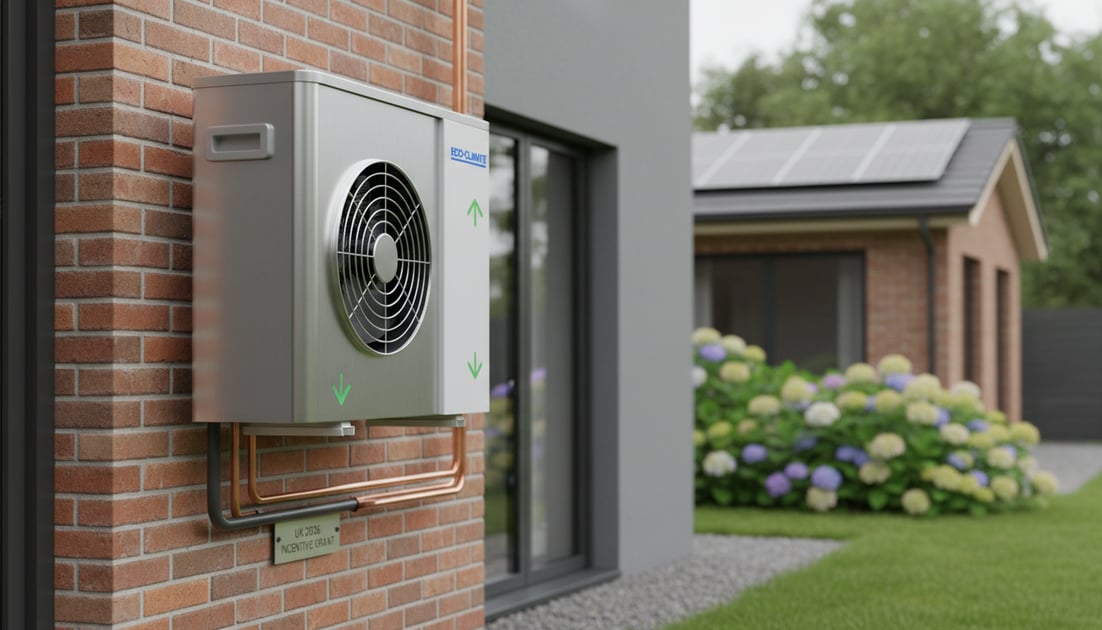
The two dominant types differ mainly in their heat source. Air source heat pumps (ASHPs) pull thermal energy from outdoor air, even when temperatures drop below freezing. They're simpler to install and more cost-effective upfront, typically requiring only an external unit and connection to your existing radiators or underfloor heating. Ground source heat pumps (GSHPs) extract stable heat from underground via buried pipes, delivering higher energy efficiency but demanding significant installation work and space.
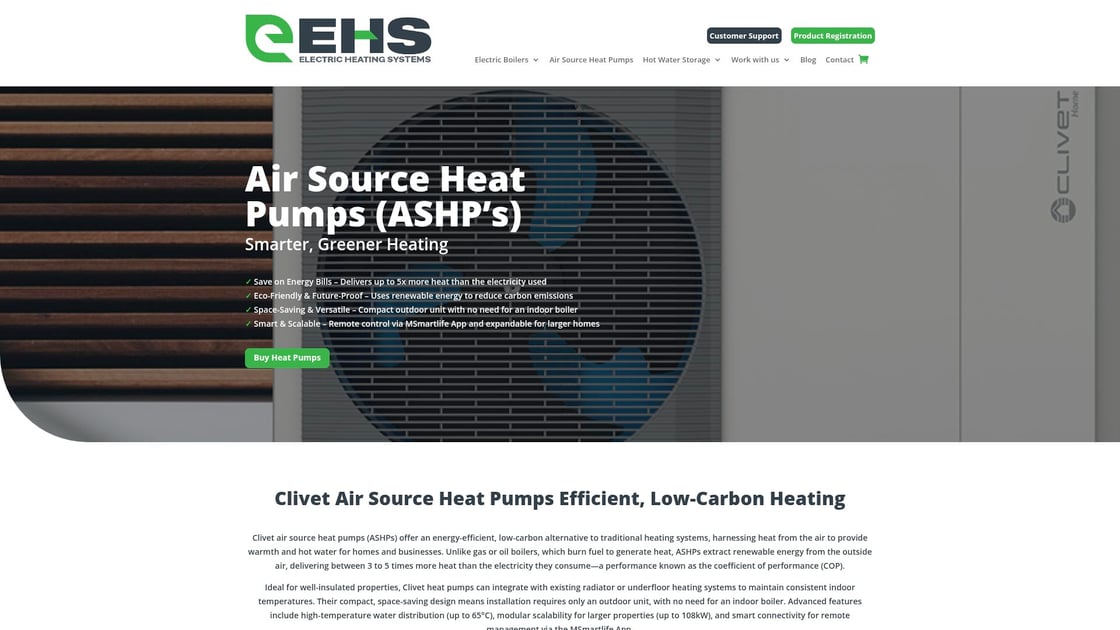
The core cooling systems components remain consistent across both types: an evaporator absorbs heat, a compressor increases pressure and temperature, a condenser releases heat where needed, and an expansion valve controls refrigerant flow. What makes modern systems compelling is their coefficient of performance – for every unit of electricity consumed, you can achieve three to four units of heating or cooling output.
Heat pumps used in 21% of new UK homes in early 2025, up from 7% two years prior. That adoption reflects both regulatory pressure and genuine running cost advantages. The UK government targets 450,000 annual heat pump installations by 2030, supported by the Boiler Upgrade Scheme offering £7,500 grants per hydronic heat pump installation. Hybrid heating systems combine heat pumps with traditional boilers, switching automatically based on outdoor temperature and energy prices – a practical stepping stone for homes with adequate insulation but concerns about winter performance.
Commercial Heating and Cooling Systems vs Residential: What You Need to Know
Commercial heating and cooling systems operate at fundamentally different scales and complexities compared to residential installations. The key distinction isn't just size – it's how these systems handle load variability, zoning requirements, and operational hours that separate industrial cooling systems from home solutions.
| Feature | Residential Systems | Commercial Systems |
|---|---|---|
| Capacity | 2-5 tonnes (7-18 kW) | 10-500+ tonnes (35-1,750+ kW) |
| Installation Cost | £3,000-£12,000 | £15,000-£250,000+ |
| Zoning | Single or dual zone | Multi-zone with independent controls |
| Running Hours | 8-12 hours daily | 12-24 hours continuously |
| Maintenance | Annual servicing | Quarterly or monthly contracts |
Residential systems prioritise energy efficiency and quiet operation for occupied living spaces. You'll typically see single outdoor units serving one or two zones, with straightforward controls focused on comfort. Installation cost remains manageable because the heating system integrates with existing infrastructure.
Commercial applications demand robust performance under constant use. A retail space needs consistent cooling across thousands of square metres whilst managing heat from lighting, equipment, and customer traffic. Industrial cooling systems incorporate sophisticated building management platforms, redundancy for critical operations, and modular designs that allow partial shutdowns for maintenance without compromising entire facilities.
Be Cool Air Conditioning handles both residential and commercial air conditioning services, recognising that each requires distinct expertise. Commercial projects involve detailed load calculations, compliance with workplace regulations, and coordination with other building systems – challenges that don't exist in home installations. The running cost analysis differs too: commercial systems justify higher upfront investment through operational efficiency gains and longer equipment lifecycles, whilst residential buyers focus on government grant eligibility and heating system compatibility.
Understanding these differences helps you specify the right solution for your application from the start.
Installation Costs and Government Grants Available in 2026
The upfront investment for energy-efficient cooling systems varies dramatically based on technology choice, but government support makes the decision far more accessible than most homeowners expect.
Air Source Heat Pump Installation Cost – Air source heat pumps average £11,000 for a complete installation according to the Energy Saving Trust. This covers the outdoor unit, indoor components, connection to your existing heating system, and professional commissioning. You're looking at a system that delivers both heating and cooling year-round, eliminating the need for separate equipment. The installation cost drops significantly with the Boiler Upgrade Scheme – more on that shortly.
Ground Source Heat Pump Investment – Ground source systems demand substantially higher upfront spending, typically around £29,000. The price reflects extensive groundwork: drilling boreholes or laying horizontal pipe networks underground. Higher energy efficiency justifies this premium for properties with adequate land and long-term ownership plans. Running cost savings accumulate faster with ground source due to stable underground temperatures.
Boiler Upgrade Scheme Grant Savings – The UK government provides £7,500 towards hydronic air source or ground source heat pump installations through 2028. This government grant reduces the typical air source installation from £13,000 to £5,000-£6,000 based on MCS data. You must use an MCS-certified installer and replace an existing fossil fuel heating system. The scheme operates on a first-come basis with annual budget allocations, making early action advantageous.

- Running Cost Reality – Installation cost tells only half the story. Heat pumps deliver 3-4 units of heating or cooling per unit of electricity consumed. A typical home switching from gas boiler to heat pump saves £300-£600 annually on energy bills, though this depends heavily on insulation quality and electricity tariff rates. Hybrid heating systems offer a middle path, combining heat pump efficiency with gas boiler backup during peak demand.
Be Cool Air Conditioning guides clients through both the technical specifications and grant application process, ensuring your air conditioning projects maximise available financial support whilst meeting 2026 regulatory requirements.
Energy Efficiency Explained: COP Ratings and Running Costs
Coefficient of Performance (COP) is the metric that separates heat pumps from traditional heating systems – it measures how many units of heating or cooling you get for each unit of electricity consumed. A COP of 3.0 means your system delivers three kilowatt-hours (kWh) of thermal energy for every kWh of electricity used. That's 300% efficiency, something conventional gas boilers can't approach.
Real-world performance tells the true story. UK heat pumps average a Seasonal Performance Factor (SPF) of 2.81 across typical installations, whilst optimised systems reach 3.86 according to recent performance studies. The government's Warm Homes Plan models heat pumps conservatively at COP 2.8 for policy calculations. Higher COP ratings translate directly to lower running costs and reduced carbon emissions – the core advantage driving regulatory changes.
The running cost comparison gets complicated by UK energy pricing. Electricity currently costs 25.73p per kWh compared to gas at 6.33p per kWh under the July-September 2025 price cap. This price gap means heat pumps need strong COP performance to compete financially. At optimal 40°C flow temperatures with proper insulation, heat pumps run 33% cheaper than gas boilers. Push flow temperatures higher for poorly insulated homes, and that advantage disappears.
| System Type | Typical COP/Efficiency | Annual Running Cost* | Carbon Emissions |
|---|---|---|---|
| Gas Boiler | 85-92% | £1,200 | High |
| Air Source Heat Pump | 2.8-3.5 COP | £800-£1,000 | Low |
| Ground Source Heat Pump | 3.5-4.5 COP | £700-£900 | Low |
*Based on typical 3-bedroom UK home with adequate insulation
Energy efficiency depends heavily on installation quality and system design. Oversized units cycle inefficiently. Undersized systems struggle during peak demand, forcing backup heating and killing your running cost savings. Be Cool Air Conditioning sizes systems based on detailed heat loss calculations, not guesswork – because COP ratings only deliver value when the entire heating system works cohesively.

Hybrid Heating vs Full Heat Pump Installation: Which Path to Choose
Hybrid heating systems combine a heat pump with your existing combi boiler, switching automatically between the two based on outdoor temperature and energy prices. Full heat pump installations replace fossil fuel heating entirely, delivering both heating and cooling from a single electric system. The choice depends on your home's insulation, budget constraints, and comfort with regulatory direction.
The performance data reveals surprising efficiency. Worcester Bosch trials show hybrid systems deliver 94% of annual heat demand from the heat pump element, with the gas boiler handling only peak winter periods. That means you're capturing most efficiency benefits whilst keeping backup capacity for the coldest days – a compelling middle ground for homes with adequate but not exceptional insulation.
| Feature | Hybrid Heating | Full Heat Pump |
|---|---|---|
| Installation Cost | £7,000-£10,000 | £11,000-£13,000 |
| Government Grant | Not eligible | £7,500 available |
| Existing Boiler | Retained as backup | Removed completely |
| Regulatory Future | May need upgrade | Fully compliant |
| Running Cost | £900-£1,100 annually | £800-£1,000 annually |
Full heat pump installations qualify for the Boiler Upgrade Scheme's £7,500 government grant, effectively matching hybrid system costs after support. You're removing gas dependency entirely and future-proofing against tightening Building Regulations Part L requirements. The trade-off? You need excellent insulation and appropriately sized radiators to maintain comfort during winter peaks.
Hybrid systems make practical sense for properties where full air conditioning repair or heating system upgrades aren't immediately feasible. You're reducing running costs and carbon emissions now whilst retaining flexibility. The limitation is regulatory – hybrids still burn fossil fuels, meaning they might not satisfy future compliance standards as regulations evolve beyond 2026.
Be Cool Air Conditioning recommends full heat pump installations for new builds and comprehensively renovated properties with strong insulation. Hybrid heating suits existing homes where installation cost sensitivity outweighs long-term regulatory certainty. Either path beats continuing with gas-only heating systems as energy efficiency requirements tighten.
Smart Thermostats and IoT Integration for Maximum Efficiency
A Honeywell T6 smart thermostat learns your heating patterns over two weeks, then automatically adjusts temperatures to cut energy consumption by 23% without sacrificing comfort. That's the practical advantage of Internet of Things (IoT) integration – your cooling and heating system becomes responsive rather than reactive, optimising performance based on occupancy, weather forecasts, and energy pricing.
Modern smart thermostats connect your heat pump or hybrid heating installation to smartphone apps, voice assistants, and home automation platforms. You're not just adjusting temperature remotely. These systems track running cost in real-time, alert you to efficiency drops, and integrate with solar panels to maximise self-consumed energy. Installation cost adds £150-£300 to your project, but the energy efficiency gains typically recover that investment within 18 months.
The 2026 regulatory changes actively encourage smart controls. Building Regulations Part L now requires time and temperature zone control for new heating systems, pushing IoT-enabled platforms from luxury to standard specification. Budget-conscious homeowners favour Honeywell and Nest models for reliable performance without premium pricing – exactly the approach that delivers measurable savings without complexity.
IoT integration transforms your cooling system from passive equipment into an active energy management platform, reducing both running costs and carbon emissions through intelligent automation rather than manual intervention.
Preparing Your Property: Insulation and Building Regulations Part L
Building Regulations Part L sets minimum thermal performance standards for UK properties, and these requirements directly impact whether your cooling system installation will perform efficiently or drain your wallet through excessive running costs. Poor insulation forces heat pumps to work harder, reducing their coefficient of performance and eliminating the energy efficiency advantages that justify the installation cost.
Step 1: Assess Your Current Insulation Levels
Start with your loft. You need at least 270mm of insulation to meet current standards – that's roughly the depth of a ruler stood on end. Cavity walls should have foam or mineral wool insulation filling the gap between inner and outer brick layers. Floor insulation matters too, particularly for ground floors where heat loss undermines system performance. The good news? The Boiler Upgrade Scheme removed mandatory insulation upgrades as an eligibility requirement from May 2024, but adequate insulation still determines whether your heat pump delivers promised savings or disappoints.
Step 2: Calculate Heat Loss and System Sizing Requirements
Proper heat loss calculations prevent the costly mistake of oversized or undersized equipment. You're measuring thermal energy escaping through walls, windows, roofs, and floors to determine exact heating system capacity needed. This calculation feeds directly into Building Regulations Part L compliance – your installer must demonstrate the proposed cooling and heating solution matches your property's thermal characteristics. Undersized systems struggle during winter peaks, forcing expensive backup heating that kills running cost savings.
Step 3: Verify Building Regulations Part L Compliance Before Installation
Part L requires new heating systems to include time and temperature zone controls, pushing smart thermostats from optional to mandatory. Your installer must provide SAP (Standard Assessment Procedure) calculations proving the installation meets minimum energy efficiency standards. This documentation becomes essential for government grant applications and future property sales. Properties built or renovated after 2025 face stricter requirements: 15-20 kWh per square metre annually for space heating demand, a threshold that demands exceptional insulation alongside efficient equipment.
Getting insulation right transforms a mediocre heat pump into an exceptional performer, cutting both installation cost through accurate sizing and running costs through optimal efficiency.
Making Your Move in 2026
The regulatory window for smart cooling systems installation is narrowing rapidly. You're facing a straightforward decision: install energy-efficient heating and cooling now whilst the Boiler Upgrade Scheme's £7,500 government grant remains available, or wait and face tighter Building Regulations Part L compliance requirements without financial support. The installation cost difference matters less than the running cost savings you'll accumulate over decades of operation.
Be Cool Air Conditioning specialises in future-proofed installations that meet 2026 regulatory standards whilst maximising energy efficiency through proper sizing, quality insulation assessment, and smart home integration. The company's engineers handle both the technical complexity and grant application process, removing the friction that stops many homeowners from upgrading.
Your hybrid heating or full heat pump installation delivers immediate benefits: lower energy bills, reduced carbon emissions, and compliance with evolving regulations. Don't wait for mandatory requirements to force rushed decisions at premium prices. Contact Be Cool Air Conditioning today to assess your property's suitability and secure your installation before the 2026 compliance deadline.