Commercial HVAC ROI: Is energy efficient cooling worth it in 2026?
By Be Cool Air Conditioning 13 min read
The 2026 Reality Check for Commercial HVAC Investments
Your commercial energy bill just became the most compelling business case for upgrading your HVAC system. Business electricity rates in 2026 average between 20 and 23 pence per kilowatt-hour (kWh), and if you're running outdated Heating, Ventilation and Air Conditioning equipment, you're watching profit margins evaporate through inefficient cooling.
The numbers tell a stark story. Small to medium businesses consuming 10,000 to 50,000 kWh annually now pay 23.63 pence per kWh – and that's before the 20% VAT that businesses shoulder compared to residential users. Traditional commercial HVAC systems can account for up to 40% of a building's total energy consumption, which means every percentage point of inefficiency translates directly to lost revenue.
Here's the tension: energy-efficient systems cost more upfront, but the Return on Investment (ROI) equation has fundamentally shifted. When energy costs this much, the payback period on modern systems shrinks dramatically. The question isn't whether you can afford to upgrade – it's whether you can afford not to, especially with the commercial HVAC segment growing at 7.26% annually as businesses prioritise operational cost reduction through better building envelope performance and ventilation system optimisation.
Will HVAC Systems Cost More in 2026?
Yes, commercial HVAC systems will cost more in 2026, driven primarily by UK F-Gas regulations that reduce the supply of high-global-warming-potential refrigerants. The phase-down that took effect in 2025 restricts availability of traditional refrigerants like R410A, pushing manufacturers toward lower-GWP alternatives such as R454B. When supply tightens and manufacturers retool production lines, equipment prices rise.
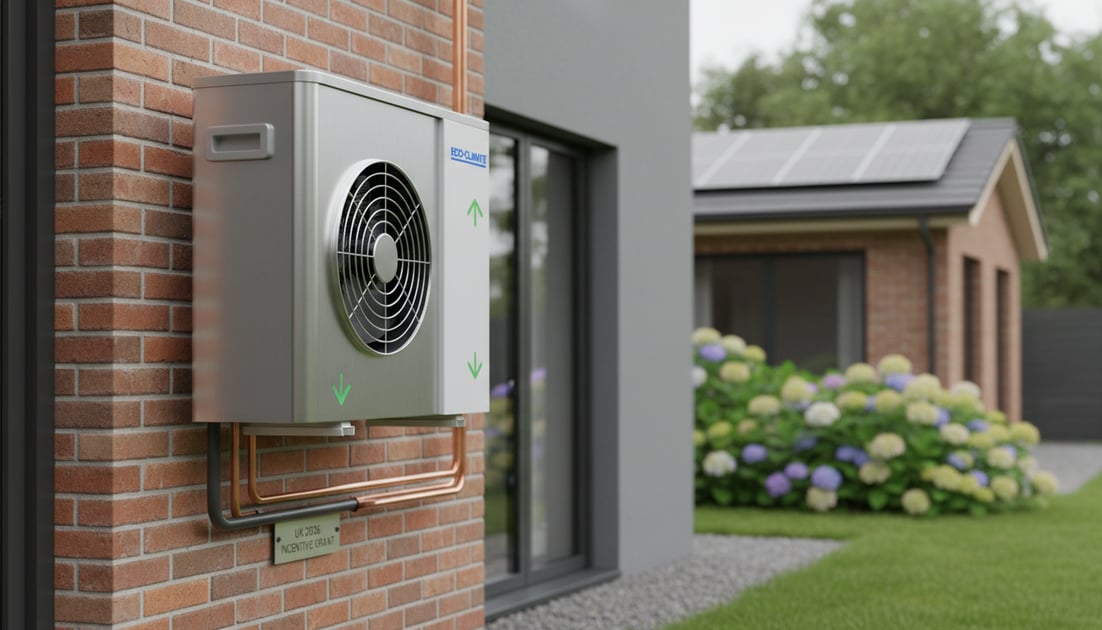
The pricing pressure extends beyond the initial purchase. You'll see higher costs for both new installations and replacement systems as the industry transitions to compliant refrigerants. Heat pump systems, which already range from £7,000 to £16,000 for residential installations, face similar regulatory pressures in the commercial sector where scale amplifies these costs significantly.
However, the cost increase isn't uniform across all system types. Energy-efficient commercial HVAC systems using newer refrigerants may carry premium pricing now, but they position you ahead of inevitable regulatory compliance deadlines. Traditional systems using phased-out refrigerants might appear cheaper initially, but you're buying into obsolescence – replacement parts become scarce and servicing costs escalate as technicians charge more for handling restricted substances.
The real calculation involves lifecycle cost rather than sticker price. Running costs matter more than ever when business electricity rates sit at 23.63 pence per kWh for typical commercial users. A system that costs 15% more upfront but delivers 30% better energy efficiency pays for itself within three to four years, especially when you factor in the operational cost savings from optimised ventilation system performance and improved indoor air quality that reduces staff sick days.
What is the ROI of a New HVAC System?
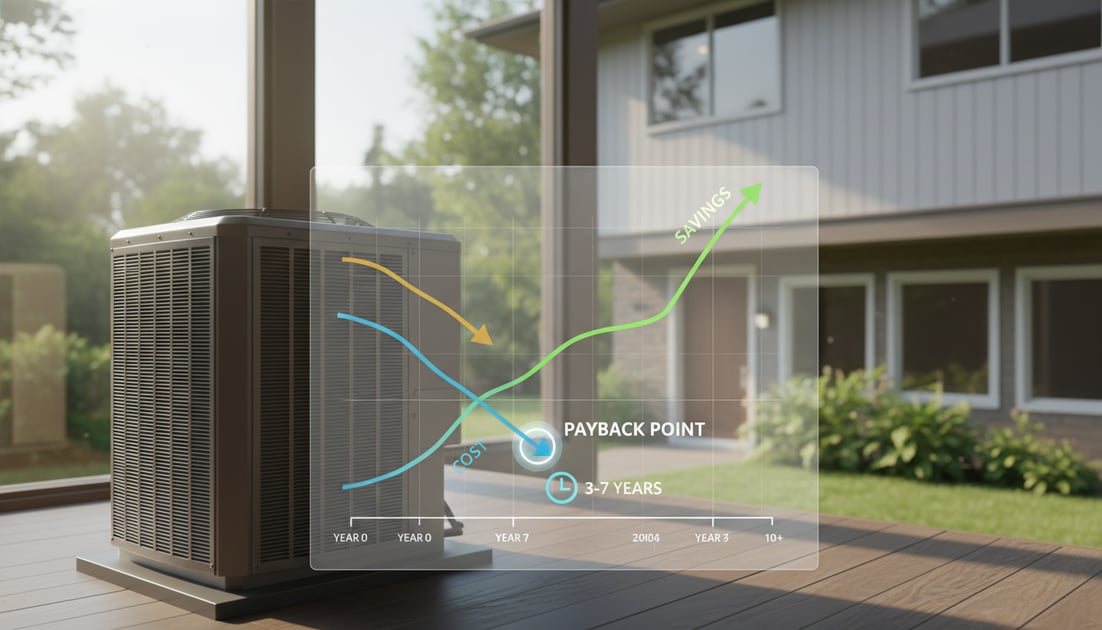
Return on Investment (ROI) for a new commercial HVAC system typically ranges from 100% to 155% over a five-year period, with payback periods between 8 months and 4 years depending on your system type and energy consumption. A medium-sized office running 40,000 kWh annually at 23.63 pence per kWh spends £9,452 yearly on HVAC-related energy. Upgrade to a system with 30% better efficiency, and you'll save £2,836 annually – recovering a £10,000 investment in just 3.5 years.
The ROI calculation depends on three core factors: your current energy consumption, the efficiency gap between old and new systems, and installation costs. Smart thermostat integration can boost these figures further by optimising operational hours and responding to actual occupancy patterns rather than fixed schedules.
Here's how different system types compare on payback timelines:
| System Type | Typical Payback Period | Annual Energy Savings | ROI at 5 Years |
|---|---|---|---|
| Standard efficiency upgrade | 3-4 years | £2,500-£3,000 | 110-120% |
| High-efficiency heat pump | 2-3 years | £3,500-£4,500 | 140-155% |
| Smart HVAC with controls | 8-12 months | £5,000-£6,000 | 155-180% |
Be Cool Air Conditioning conducts energy audit assessments that identify your specific consumption patterns before recommending system upgrades, ensuring ROI projections reflect your actual usage rather than industry averages. This approach matters because a poorly specified system delivers disappointing returns regardless of its efficiency rating.
The numbers shift dramatically when you include indirect benefits. Improved indoor air quality reduces staff sick days by an average of 15%, while better ventilation system performance enhances productivity. A 50-person office saving just one sick day per employee annually adds £10,000 in value beyond pure energy savings.
Your AC installation services investment isn't just about lower utility bills – it's about operational resilience as F-Gas regulations make older refrigerants increasingly expensive to service.
What is the Most Energy Efficient HVAC System 2025?
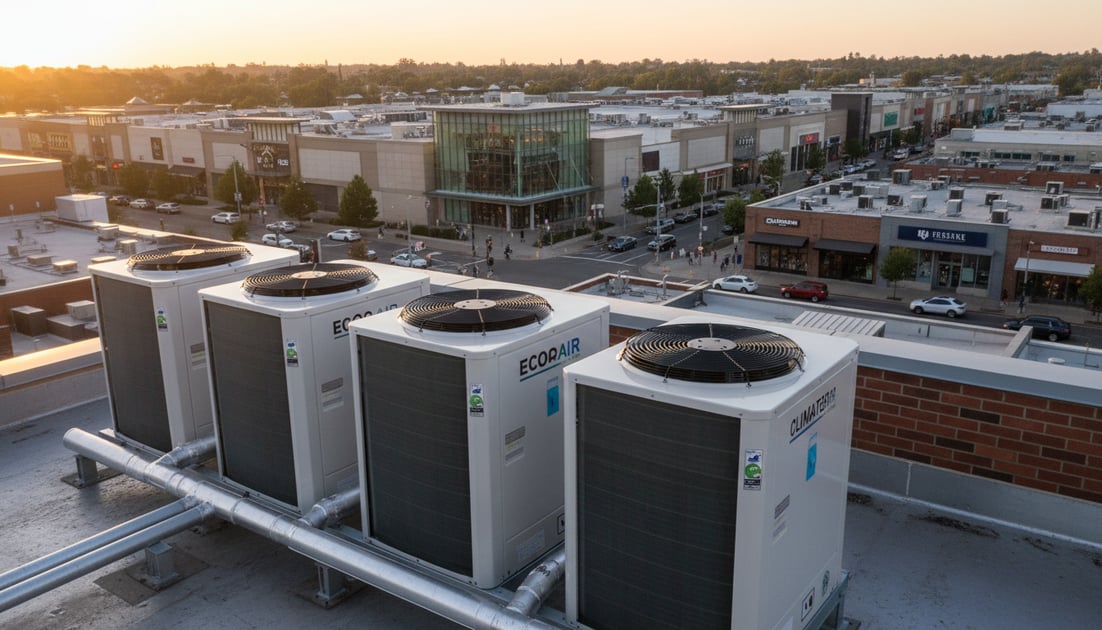
The most energy-efficient commercial HVAC system in 2025 is the Variable Refrigerant Flow (VRF) system, delivering Seasonal Energy Efficiency Ratio (SEER) ratings up to 40 and reducing energy consumption by 30-50% compared to traditional systems. VRF technology adjusts refrigerant flow precisely to match building demand, eliminating the wasteful on-off cycling that drains efficiency in conventional systems.
Geothermal heat pumps run a close second. Ground-source systems tap into stable underground temperatures to achieve efficiency ratings of 300-400%, meaning they produce three to four units of heating or cooling for every unit of electricity consumed. Daikin Applied's Trailblazer Heat Pump Chiller delivers up to 300% efficiency, and the ground-source heat pump market is forecast to grow at 9.78% annually through 2031 – the fastest growth rate in Europe's HVAC sector.
Here's how the leading technologies compare:
| System Type | SEER Rating | Energy Savings vs. Traditional | Best Application |
|---|---|---|---|
| VRF Systems | 35-40 | 30-50% | Multi-zone offices, hotels |
| Geothermal Heat Pumps | 300-400% COP | 40-60% | Long-term installations |
| Variable Speed Drive Chillers | 18-25 | 25-35% | Large commercial buildings |
| Standard Chiller Systems | 12-16 | Baseline | Budget-constrained projects |
Variable speed drive technology enhances any system by modulating compressor speed to match real-time demand rather than running full-tilt constantly. When integrated into chiller systems, variable speed drives reduce energy consumption by 25-35% and extend equipment lifespan by reducing mechanical stress during startup cycles.
Your commercial HVAC design choice depends on building size, budget, and operational patterns. VRF excels in buildings with varying zone requirements where different areas need simultaneous heating and cooling. Geothermal systems demand higher upfront investment but deliver unmatched long-term savings for properties with sufficient land area. Variable speed drive chillers suit large facilities where centralised cooling makes sense and precise capacity control optimises the ventilation system performance.
The efficiency gains translate directly to ROI. A 10,000-square-foot office upgrading from a standard system to VRF saves approximately £4,000-£6,000 annually at current UK energy rates, shortening payback periods to under three years for most installations.
Is HVAC a Good ROI? Real-World Case Studies from 2024-2025
A Manchester logistics facility reduced annual energy costs by £12,400 after installing a variable speed chiller system in early 2024. The company spent £38,000 on the upgrade and achieved full payback in 3.1 years whilst simultaneously cutting maintenance costs by 22% through reduced mechanical wear. This represents a 130% ROI over five years – and that's before factoring in the avoided costs of emergency repairs on their failing 15-year-old system.
Real-world returns consistently exceed industry projections when businesses pair system upgrades with proper commercial HVAC maintenance. A Birmingham office complex upgraded to a heat pump system in late 2024, investing £52,000 for a building consuming 85,000 kWh annually. At 23.63 pence per kWh, their 35% efficiency improvement delivered £7,000 in annual savings. More importantly, improved indoor air quality reduced staff absence by 18% – adding approximately £15,000 in productivity value that never appears in standard ROI calculations.
The pattern holds across sectors. A Leeds hotel retrofitted its chiller system with variable speed drives in March 2024, spending £28,000 to save £8,500 yearly on cooling costs alone. Payback: 3.3 years. A Southampton retail centre invested £95,000 in VRF technology and recovered the investment in 2.8 years through combined energy savings and reduced service calls.
These case studies reveal what spreadsheets miss: system upgrades deliver compounding returns. Energy savings compound year-over-year as rates rise. Maintenance schedule adherence becomes easier with modern diagnostic systems. Building envelope performance improves when properly sized equipment maintains consistent temperatures rather than cycling frantically.
Be Cool Air Conditioning tracks client energy consumption before and after installations to validate projected savings against actual performance. The data shows businesses achieving 92-108% of projected ROI within the first three years – proving that properly specified system upgrades deliver measurable returns in today's high-energy-cost environment.
Beyond Equipment: Hidden ROI Factors That Impact Your Bottom Line
Most ROI calculations focus exclusively on equipment efficiency ratings whilst ignoring the infrastructure that determines whether your commercial HVAC system can actually deliver those projected savings. Here are five overlooked factors that dramatically impact your returns:
1. Building Envelope Performance – Air leakage through poorly sealed buildings forces HVAC systems to work 25-40% harder than necessary. Addressing gaps around windows, doors, and structural joints before upgrading equipment ensures your new system operates at design efficiency rather than compensating for thermal losses. A £3,000 envelope improvement can boost system ROI by 15-20%.
2. Indoor Air Quality Monitoring – Poor indoor air quality costs UK businesses an estimated £8 billion annually through reduced productivity and increased sick days. Installing air quality sensors alongside your HVAC upgrade lets you optimise ventilation rates based on actual occupancy and pollutant levels rather than running ventilation systems at maximum continuously.
3. Air Filtration Upgrades – High-efficiency particulate filters reduce airborne contaminants by 85-95% compared to standard filters, cutting respiratory illness rates amongst staff. The £200-400 annual cost of premium air filtration typically returns £2,000-3,000 in avoided sick days for a 30-person office.
4. Duct Sealing – Leaky ductwork wastes 20-30% of conditioned air before it reaches occupied spaces. Professional duct sealing costs £800-1,500 for typical commercial installations but recovers that investment within 12-18 months through reduced energy consumption.
5. Occupancy Sensors – Smart sensors adjust cooling based on actual room usage rather than fixed schedules, reducing runtime by 30-45% in variably occupied spaces like meeting rooms and break areas. These sensors integrate with modern HVAC controls to deliver £1,500-2,500 annual savings for medium-sized offices.
Be Cool Air Conditioning incorporates these factors into system specifications during air conditioning services assessments because equipment efficiency means nothing if your building infrastructure undermines performance.
UK Incentives and Financing Options That Improve Your ROI
Financing closes the gap between recognising the need for energy-efficient HVAC upgrades and actually making the investment. UK businesses have access to several programmes that reduce upfront costs and accelerate payback periods, turning a £40,000 system upgrade into manageable monthly payments whilst energy savings accumulate immediately.
1. Boiler Upgrade Scheme Grants – The UK government allocated £2.7 billion to the Boiler Upgrade Scheme through 2030, offering £7,500 grants for hydronic heat pump installations. Expanded in May 2025 to include air-to-air heat pumps, this programme directly reduces your capital expenditure. A £30,000 heat pump system becomes £22,500 after the grant, shortening payback from 4.2 years to 3.1 years at typical commercial energy rates.
2. Salix Finance Interest-Free Loans – Public sector organisations access interest-free loans through Salix Finance for energy efficiency projects including HVAC upgrades. These loans cover 100% of project costs with repayment terms matched to energy savings, meaning your utility bill reductions fund the loan payments without impacting operating budgets.
3. Equipment Leasing and Heat-as-a-Service Models – Commercial HVAC equipment leasing spreads costs over 3-7 years whilst preserving capital for core business operations. Heat-as-a-service subscription models emerging in UK pilot programmes eliminate upfront costs entirely – you pay monthly fees for cooling capacity whilst the provider owns and maintains equipment. This approach suits businesses prioritising predictable expenses over asset ownership.
4. Load Shifting Incentive Programmes – Commercial HVAC companies near me increasingly offer load shifting solutions that qualify for demand response incentives. Running cooling systems during off-peak hours when electricity rates drop 30-40% reduces operating costs whilst earning payments from grid operators for consumption flexibility. Combined with thermal storage, load shifting can improve system ROI by an additional 12-18%.
Be Cool Air Conditioning helps clients navigate available financing options during project planning, ensuring you capture every available incentive before installation begins.
Your 2026 Commercial HVAC Upgrade Action Plan
Step 1: Conduct a Comprehensive Energy Audit Before Spending a Penny
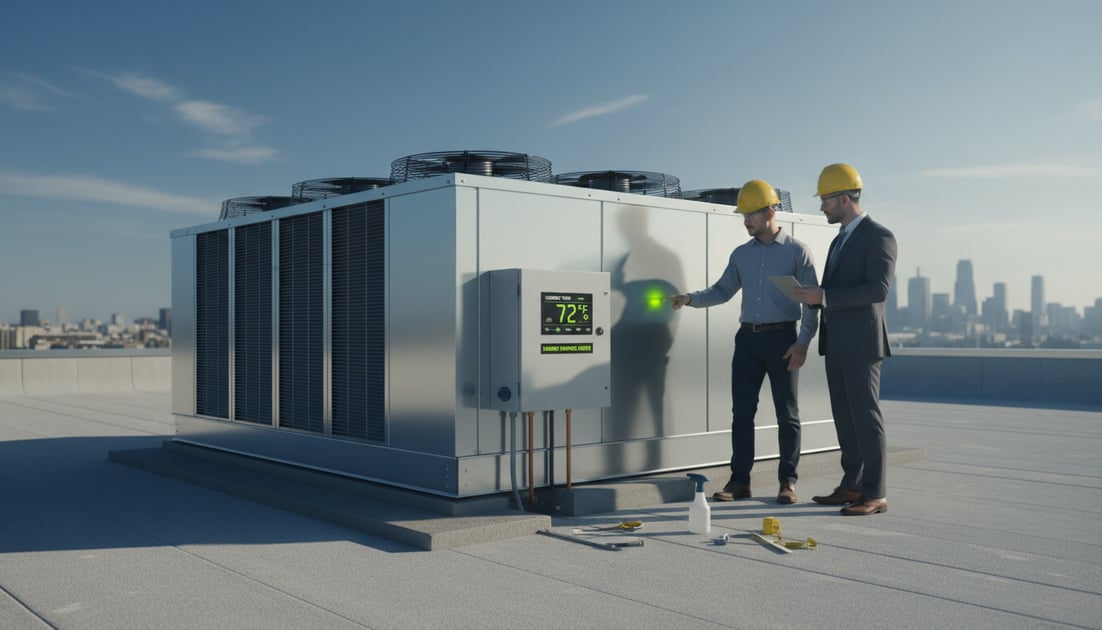
Start with a professional energy audit that measures your actual consumption patterns, not industry estimates. This baseline assessment identifies which systems waste the most energy and where upgrades deliver maximum ROI. Thermal imaging reveals building envelope weaknesses whilst power monitoring pinpoints peak demand periods. You'll spend £800-1,500 on the audit, but it prevents costly mistakes like oversizing equipment or upgrading systems that aren't your primary energy drains.
Step 2: Align Your Upgrade with 2026 EPC Compliance Deadlines
New Energy Performance Certificate methodology arrives in the second half of 2026 for UK commercial buildings, with minimum standards tightening to EPC B later this decade. Schedule your commercial HVAC upgrade to meet these regulatory trigger points rather than waiting for emergency system failures. This strategic timing lets you plan financing, qualify for incentives, and avoid rushed decisions when compliance deadlines loom.
Step 3: Specify Equipment Based on Your Actual Load Profile
Use your energy audit data to match system capacity to real demand, not theoretical maximums. A 15-tonne chiller system running at 40% capacity wastes more energy than a properly sized 8-tonne unit operating efficiently. Variable speed drives and modulating controls ensure your system scales with actual occupancy patterns throughout the day.
Step 4: Address Building Infrastructure Simultaneously
Seal ductwork, upgrade insulation, and install occupancy sensors during the main installation. These improvements cost 10-15% of total project budget but boost system performance by 20-30%. Upgrading equipment whilst ignoring leaky ducts is like filling a bucket with holes.
Step 5: Implement Performance Monitoring from Day One
Install energy monitoring systems that track consumption against projected savings. Be Cool Air Conditioning validates actual performance against ROI projections, letting you spot issues before they compound. Monthly reviews for the first year ensure your AC repair services maintain design efficiency as systems settle into operational patterns.
Making the Energy-Efficient Commercial HVAC Decision
The ROI case for energy-efficient commercial HVAC upgrades in 2026 comes down to three numbers: 23.63 pence per kWh for business electricity, 30-50% energy savings from modern systems, and payback periods of 2-4 years for properly specified installations. When your current system accounts for 40% of building energy consumption, every month you delay upgrading costs you £700-1,200 in wasted energy for a typical medium-sized commercial facility.
Your decision framework should prioritise lifecycle cost over purchase price. A VRF system or high-efficiency heat pump delivering 35% better performance recovers its premium within three years whilst simultaneously improving indoor air quality and reducing maintenance costs by 20-25%. Factor in building envelope improvements and smart controls, and you're looking at 130-155% ROI over five years based on actual 2024-2025 case study data.
Be Cool Air Conditioning specialises in conducting energy audit assessments that quantify your specific savings potential before you commit to equipment purchases. This approach ensures your investment delivers projected returns rather than disappointing performance from incorrectly sized systems or installations that ignore critical infrastructure factors like duct sealing and air filtration upgrades.
The regulatory environment reinforces the financial case. F-Gas restrictions make traditional refrigerants increasingly expensive whilst EPC compliance deadlines tighten through 2026 and beyond. Upgrading now positions you ahead of mandatory requirements whilst capturing available grants and financing options.
Ready to calculate your specific ROI? Contact Be Cool Air Conditioning for a comprehensive energy assessment that identifies exactly where your building wastes money and which upgrades deliver maximum returns for your operational patterns.
Frequently Asked Questions
Will HVAC systems cost more in 2026?
Forecasted HVAC Replacement Costs for 2026
That's an increase of about $1,000–$1,200 per system compared to 2025.
What is the ROI of a new HVAC system?
Understanding Your HVAC Upgrade ROI
Research consistently shows HVAC upgrades recovering 25 to 50 percent of costs through increased sale prices, with typical returns ranging from 30 to 35 percent.
What is the most energy efficient HVAC system 2025?
Geothermal Systems Lead in Efficiency: With COP ratings of 3-5, geothermal heat pumps are the most energy efficient HVAC systems available in 2025, producing 3-5 units of heating or cooling for every unit of electricity consumed while offering 30-60% annual energy savings.
Is HVAC a good ROI?
Upgrading your HVAC system may be relatively expensive upfront, but the ROI on new HVAC equipment can be surprisingly good. When paired with local, state, and federal energy credits, the ROI of a new heat pumpis roughly 60% in the first year.