Best commercial AC units for retail shops: 2026 energy-efficient picks
By Be Cool Air Conditioning 16 min read
Why Retail Shops Need Specialised Commercial AC Solutions in 2026
Walk into any retail shop during peak hours and you'll notice something critical – the temperature swings wildly. Every time the door opens, you're fighting heat loss. Display lighting pumps unexpected warmth into specific zones. Customer comfort directly impacts how long they browse, yet most retailers still rely on residential-style systems that can't handle these unique challenges.
Generic commercial AC units treat every space identically. That approach fails spectacularly in retail environments. Your sales floor needs different temperature management than your stockroom or fitting rooms. Door traffic creates constant airflow disruption that standard systems weren't designed to compensate for. The heat loads from LED displays and refrigerated units add complexity that one-size-fits-all cooling systems simply ignore.
Energy efficiency becomes even more critical when your HVAC system runs 10-12 hours daily, six days a week. According to recent industry data, retail spaces consume approximately 30% more energy than standard commercial properties due to extended operating hours and customer-facing climate demands. Smart thermostat integration and ductless systems offer zoning capabilities that let you cool your sales floor to 20°C whilst keeping the stockroom at 18°C – cutting costs without compromising customer experience.
Be Cool Air Conditioning specialises in AC installation tailored to retail-specific demands, from calculating heat loads around display lighting to designing zoning strategies that account for high-traffic entry points. The right system pays for itself through reduced energy bills and improved customer dwell time.
What is the Best Commercial AC Unit for Retail Environments?
The best commercial AC unit for retail environments is a Variable Refrigerant Flow (VRF) system or multi-split ductless unit because these solutions deliver precise zoning control whilst handling the unique heat loads created by door traffic, display lighting, and fluctuating customer numbers. Retail spaces demand more than standard cooling – they need systems that maintain customer comfort zones without wasting energy on stockrooms or back offices.
VRF systems excel in retail settings because they let you create distinct temperature zones. Your sales floor stays at a comfortable 20-21°C to encourage browsing, whilst fitting rooms can run slightly cooler at 19°C and stockrooms at 18°C. This zoning approach cuts energy costs by 25-35% compared to single-zone systems, according to industry performance data. Multi-split ductless systems offer similar benefits for smaller boutiques, typically under 150 square metres, where installation costs matter more than maximum capacity.
Noise levels become critical when customers are making buying choices. Look for units rated below 40 decibels for sales floor operation – roughly equivalent to a quiet library. Heat pump models provide year-round climate control, switching between cooling and heating as seasons change without requiring separate systems.
Air conditioner sizing depends on more than square footage. You need to account for door traffic heat loss, which can add 20-30% to your cooling load during peak hours. Display lighting, especially older halogen systems, generates significant heat that standard residential calculators ignore. Smart thermostat integration lets you adjust temperatures based on occupancy patterns, reducing energy waste during quiet periods.
Be Cool Air Conditioning designs air conditioning services around these retail-specific factors, calculating accurate heat loads and recommending systems that balance customer comfort with operational costs.
Top 5 Commercial AC Units for Retail Shops in 2026
Choosing the right commercial AC unit for your retail space means balancing customer comfort, energy costs, and installation flexibility. These five systems excel in retail environments where door traffic, display lighting heat loads, and zoning requirements demand more than standard cooling solutions.
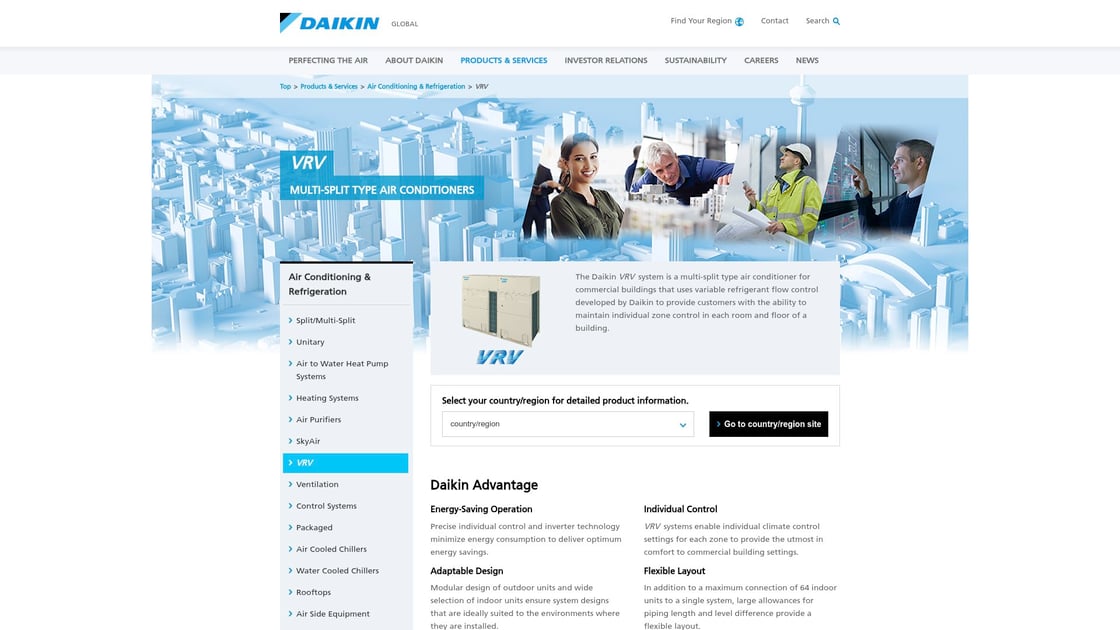
1. Daikin VRV (Variable Refrigerant Volume) Systems – Premium Multi-Zone Control
Daikin's VRV systems deliver exceptional zoning capabilities for larger retail spaces above 200 square metres. You can maintain your sales floor at 20°C whilst running stockrooms at 18°C, cutting energy consumption by up to 35% compared to single-zone systems. The heat pump configuration provides year-round climate control, switching seamlessly between heating and cooling modes. Expect installation costs between £8,000-£15,000 depending on shop size, but the system typically pays for itself within 4-5 years through reduced energy bills.
2. MRCOOL Easy Pro Multi-Split System – Best for Small Boutiques
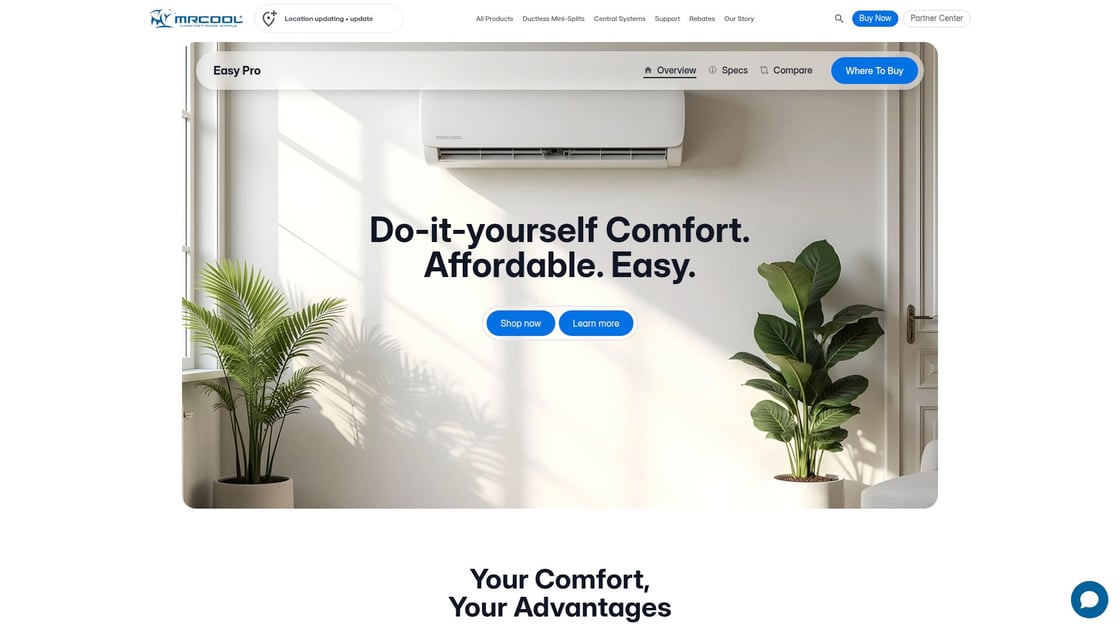
The MRCOOL Easy Pro excels in retail shops under 150 square metres where installation simplicity matters. This ductless system supports up to five indoor units from a single outdoor compressor, perfect for creating separate zones in fitting rooms and sales areas. Installation costs run £3,500-£6,000, making it cost-effective for independent retailers. The smart thermostat integration lets you adjust temperatures based on customer traffic patterns, reducing energy waste during quiet periods.
3. Mitsubishi Electric M-Series – Quietest Operation for High-End Retail
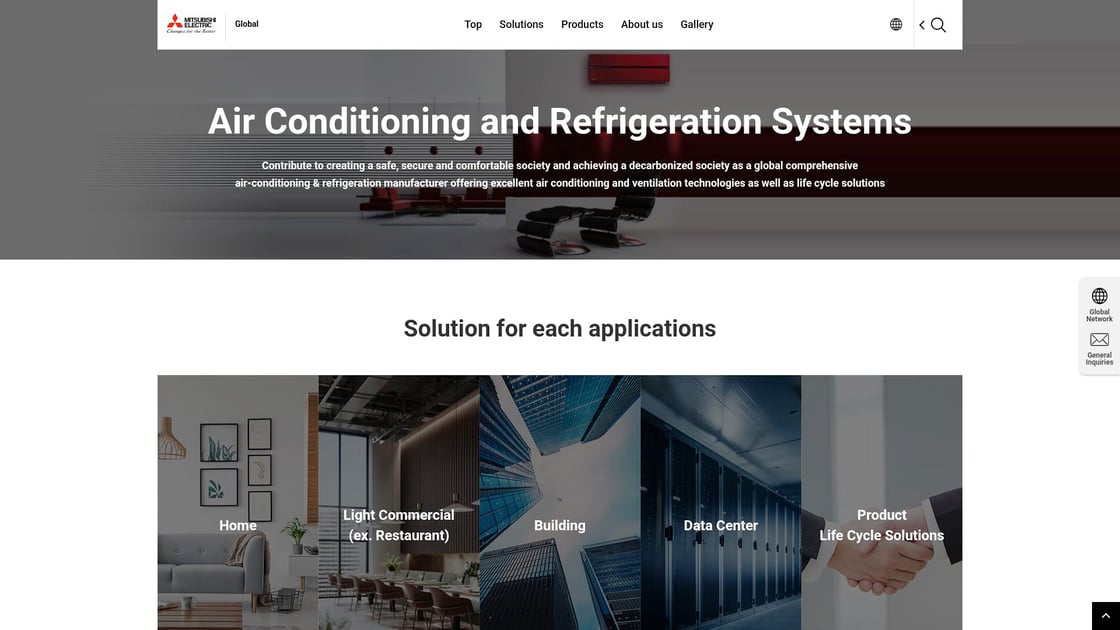
Operating at just 19 decibels on low settings, the M-Series maintains library-quiet performance whilst customers browse. This matters significantly in jewellery shops or boutiques where ambient noise affects the buying experience. The system handles heat loads from display lighting efficiently, with SEER (Seasonal Energy Efficiency Ratio) ratings reaching 22. Installation costs typically range £5,000-£9,000 for shops up to 180 square metres.
4. Toshiba Shorai Edge Inverter – Best Value for Mid-Sized Shops
Toshiba's Shorai Edge balances performance and affordability for retail spaces between 100-200 square metres. The inverter technology adjusts compressor speed continuously rather than cycling on and off, reducing energy consumption by 25% whilst maintaining consistent temperatures. Installation-ready design minimises disruption to trading hours, with most systems operational within two days. Expect costs around £4,500-£7,500 including AC repairs coverage for the first year.
5. LG Multi V S – Smart Integration for Chain Retailers
LG's Multi V S system offers centralised control across multiple retail locations through cloud-based monitoring. You can track energy consumption, schedule maintenance, and adjust temperatures remotely – essential for chain retailers managing several shops. The heat pump configuration delivers heating and cooling from one system, with installation costs between £10,000-£18,000 depending on capacity requirements.
Comparison Table: Key Specifications
| System | Coverage Area | SEER Rating | Noise Level | Installation Cost |
|---|---|---|---|---|
| Daikin VRV | 200+ sqm | 20-24 | 38 dB | £8,000-£15,000 |
| MRCOOL Easy Pro | Up to 150 sqm | 18-20 | 42 dB | £3,500-£6,000 |
| Mitsubishi M-Series | Up to 180 sqm | 22 | 19 dB | £5,000-£9,000 |
| Toshiba Shorai Edge | 100-200 sqm | 19-21 | 40 dB | £4,500-£7,500 |
| LG Multi V S | 200+ sqm | 21-23 | 37 dB | £10,000-£18,000 |
Air conditioner sizing for retail environments requires accounting for door traffic heat loss, which adds 20-30% to your cooling load during peak hours. Display lighting generates additional heat that residential calculators ignore completely. Be Cool Air Conditioning calculates these retail-specific heat loads to recommend systems that maintain customer comfort without wasting energy on oversized units.
Which AC Brand is Most Energy Efficient for Commercial Use?
Mitsubishi Electric leads commercial AC energy efficiency with SEER (Seasonal Energy Efficiency Ratio) ratings reaching 24, followed closely by Daikin at 22-24 and LG at 21-23. The difference matters significantly for retail environments running systems 10-12 hours daily – a 2-point SEER improvement translates to approximately 8-10% lower annual energy costs.
Inverter technology separates the most energy-efficient brands from budget alternatives. Mitsubishi, Daikin, and LG all use variable-speed compressors that adjust output continuously rather than cycling on and off. This delivers over 30% performance gains compared to fixed-speed systems, according to commercial AC market analysis. Your compressor runs at 40% capacity during quiet morning hours, then ramps up to 80% when lunchtime crowds arrive – maintaining consistent temperatures whilst cutting waste.
ROI Calculations: Real Savings Data
A 150-square-metre retail shop running a Mitsubishi M-Series (SEER 22) versus a standard unit (SEER 16) saves approximately £850-£1,200 annually on electricity costs. That's based on 12-hour daily operation at current UK commercial electricity rates. The £2,000-£3,000 premium for higher-efficiency units pays for itself within 2.5-3 years, then continues delivering savings for the system's 15-year lifespan.
| Brand | Peak SEER Rating | Inverter Technology | Annual Savings (150 sqm shop) | Payback Period |
|---|---|---|---|---|
| Mitsubishi Electric | 24 | Yes | £1,200 vs standard | 2.5 years |
| Daikin | 22-24 | Yes | £1,100 vs standard | 2.8 years |
| LG Multi V | 21-23 | Yes | £950 vs standard | 3.2 years |
| Toshiba Shorai | 19-21 | Yes | £750 vs standard | 3.8 years |
| MRCOOL | 18-20 | Yes | £600 vs standard | 4.5 years |
Heat pump configurations add another efficiency layer. These systems switch between heating and cooling modes, eliminating the need for separate heating equipment. You're running one energy-efficient system year-round instead of two separate units. Smart thermostat integration further reduces consumption by 15-20% through occupancy-based scheduling – your system automatically reduces output when the shop's empty.
Be Cool Air Conditioning evaluates energy efficiency alongside retail-specific factors like noise levels and zoning capabilities, ensuring you select systems that deliver measurable savings without compromising customer comfort during peak trading hours.
Sizing Your Retail Shop AC: BTU Calculations and Heat Load Factors
Proper air conditioner sizing starts with accurate BTU (British Thermal Unit) calculations that account for retail-specific heat loads. Undersized systems struggle during peak hours. Oversized units cycle on and off constantly, wasting energy and failing to dehumidify properly.
Step 1: Calculate Base Square Footage Requirements
Measure your retail space accurately and multiply by 25 BTU per square foot as your starting point. A 100-square-metre shop (approximately 1,076 square feet) requires roughly 26,900 BTU base capacity. This covers standard cooling needs before accounting for retail-specific factors.
Step 2: Add Door Traffic Heat Loss
Every door opening introduces warm air that your system must compensate for. Add 20-30% to your base calculation for high-traffic entrances. If your shop sees 100+ customers daily, you're looking at an additional 5,380-8,070 BTU requirement. This factor separates retail calculations from standard commercial spaces.
Step 3: Account for Display Lighting Heat Loads
LED displays generate less heat than older halogen systems, but they still add measurable thermal load. Calculate 3-5 watts per square foot of display area and convert to BTU (1 watt = 3.41 BTU). A 30-square-metre display section adds approximately 1,500-2,500 BTU to your requirements.
Step 4: Avoid the Oversizing Trap
Many retailers add excessive safety margins, ending up with units 40-50% larger than needed. Oversized systems cost more upfront and waste energy through short-cycling. Stick to calculated requirements plus your retail adjustments – a properly sized unit runs longer cycles that dehumidify effectively whilst maintaining consistent temperatures.
Be Cool Air Conditioning calculates these retail-specific heat loads during site assessments, ensuring your cooling system handles door traffic and display lighting without the inefficiency of oversized equipment.
Portable vs Ductless vs VRF: Matching AC Systems to Retail Shop Types
Choosing between portable AC units commercial, ductless systems, and VRF technology depends entirely on your retail shop size, layout flexibility, and budget constraints. Each cooling system delivers distinct advantages – portable units offer immediate deployment without installation costs, ductless systems provide permanent zoning for boutiques, whilst VRF handles complex multi-zone requirements in larger stores.
Small Boutiques (Under 50 sqm): Portable AC Units Commercial
Portable AC units commercial models work exceptionally well for independent boutiques, pop-up shops, or seasonal retail spaces where permanent installation isn't practical. The electriQ AirFlex 14000 BTU delivers 4 kW cooling for rooms up to 38 square metres, making it suitable for most small retail environments. You plug it in, position the exhaust hose through a window or vent, and start cooling immediately.
Installation cost? Zero. Maintenance remains minimal – clean the filters monthly and empty the condensate tank. The trade-off comes in energy efficiency and noise levels. Portable units typically operate at 40-45 decibels, noticeably louder than ductless alternatives. They also consume 15-20% more energy than fixed systems due to less efficient heat exchange.
Consider portable units when you're testing a new retail location, running seasonal shops, or renting premises where landlords prohibit permanent installations. They're not ideal for year-round operation in customer-facing environments where noise affects the browsing experience.
Mid-Sized Shops (50-200 sqm): Ductless System Solutions
A ductless system excels in established retail shops where you need permanent climate control with zoning flexibility. These multi-split configurations connect 2-5 indoor units to a single outdoor compressor, letting you maintain your sales floor at 20°C whilst running stockrooms cooler at 18°C. Installation costs range £500-£4,000 depending on the number of indoor units and complexity.
The heat pump configuration switches between heating and cooling modes, delivering year-round climate control from one system. Smart thermostat integration reduces energy consumption by 15-20% through occupancy-based scheduling. You're looking at SEER ratings between 18-22, significantly better than portable alternatives.
Ductless systems suit boutiques, independent retailers, and chain stores under 200 square metres where installation flexibility matters more than maximum capacity. The wall-mounted indoor units take minimal space and operate quietly at 19-42 decibels depending on model selection.
Large Stores (200+ sqm): VRF Technology
Variable Refrigerant Flow systems deliver the precise zoning control that large retail environments demand. You can create distinct temperature zones for sales floors, fitting rooms, stockrooms, and back offices – each maintained independently whilst sharing a single outdoor unit. VRF systems achieve 25-35% energy savings compared to single-zone alternatives through partial-load efficiencies.
According to European market analysis, VRF systems are posting 9.15% compound annual growth through 2031 due to their superior efficiency in meeting energy performance regulations. Installation costs run £8,000-£18,000 depending on shop size and zone requirements, but the system typically pays for itself within 4-5 years through reduced energy bills.
VRF technology suits chain retailers, department stores, and large independent shops where customer comfort zones require different temperature management than operational spaces. The centralised control lets you adjust multiple zones simultaneously, essential for maintaining consistent customer experience across large floor areas.
System Comparison: Quick Reference
| System Type | Best For | Coverage | Installation Cost | Energy Efficiency | Noise Level |
|---|---|---|---|---|---|
| Portable AC Units Commercial | Pop-ups, seasonal shops, rentals | Up to 38 sqm | £0 (plug-and-play) | Lower (no SEER rating) | 40-45 dB |
| Ductless System | Boutiques, independent retailers | 50-200 sqm | £500-£4,000 | High (SEER 18-22) | 19-42 dB |
| VRF Technology | Large stores, chains | 200+ sqm | £8,000-£18,000 | Highest (25-35% savings) | 37-38 dB |
Air conditioner sizing for each system type follows different calculations. Portable units work on simple BTU-per-square-metre ratios. Ductless systems require accounting for door traffic heat loss and display lighting loads. VRF installations demand comprehensive heat load analysis across multiple zones, factoring in customer density patterns and operational schedules.
Be Cool Air Conditioning evaluates your retail shop layout, traffic patterns, and budget constraints to recommend the cooling system that delivers customer comfort without unnecessary installation costs or ongoing energy waste.
2026 F-Gas Compliance and Refrigerant Requirements for UK Retail
F-Gas compliance regulations in the UK are transforming commercial AC purchasing decisions as the R-410A phase-out accelerates towards 2026. R-410A refrigerant faces significant restrictions under updated F-Gas legislation, pushing retailers toward R32-based systems that deliver lower Global Warming Potential (GWP) ratings. R32 systems achieve GWP ratings of 675 compared to R-410A's 2,088 – a 68% reduction that meets stricter environmental standards whilst maintaining cooling performance.
The practical impact hits your buying choices immediately. Commercial AC units using R-410A refrigerant will become increasingly expensive to service as supply dwindles under quota restrictions. You're looking at potential refrigerant cost increases of 200-300% by 2027 according to industry projections. Systems installed now need F-Gas compliance built in, not retrofitted later.
R32 refrigerant offers the clearest compliance path for retail environments. These systems require smaller refrigerant charges due to superior thermodynamic properties – typically 10-20% less than equivalent R-410A units. That translates to lower installation costs and reduced environmental impact. Heat pump models using R32 deliver year-round climate control whilst meeting 2026 regulatory requirements.
Consider F-Gas compliance alongside energy efficiency and zoning capabilities when selecting commercial AC units. Systems approved under current regulations protect you from costly refrigerant changeovers or premature equipment replacement. Be Cool Air Conditioning evaluates F-Gas compliance status during system recommendations, ensuring your cooling system meets both current regulations and upcoming 2026 requirements without forcing early replacement cycles.
Installation Costs and ROI for Retail Commercial AC Systems
Installation cost for commercial AC and heating units varies dramatically by shop size and system complexity. A small boutique under 50 square metres typically pays £550-£2,100 for floor or wall-mounted units including labour. Mid-sized shops between 50-150 square metres face £3,500-£6,000 for ductless systems with multiple indoor units. Large retail spaces above 200 square metres require £8,000-£15,000 for VRF installations that handle complex zoning requirements.
The numbers tell only part of the story. Your actual costs depend on retail-specific factors that standard commercial quotes ignore. Door traffic areas need additional capacity – that's 20-30% more cooling power than square footage alone suggests. Display lighting heat loads add another layer of complexity. A 100-square-metre shop with heavy display lighting might need the same capacity as a 130-square-metre space with minimal lighting.
Small Boutique Example (50 sqm)
- Installation cost: £2,500-£4,000 (ductless system)
- Annual energy costs: £850-£1,200
- Smart thermostat integration: +£300-£500
- ROI period: 3-4 years through energy savings
Mid-Sized Shop (120 sqm)
- Installation cost: £5,000-£8,000 (multi-split ductless)
- Annual energy costs: £1,800-£2,400
- Smart thermostat integration: +£400-£700
- ROI period: 4-5 years
Large Store (250 sqm)
- Installation cost: £12,000-£18,000 (VRF system)
- Annual energy costs: £3,200-£4,500
- Smart thermostat integration: +£800-£1,200
- ROI period: 4-6 years
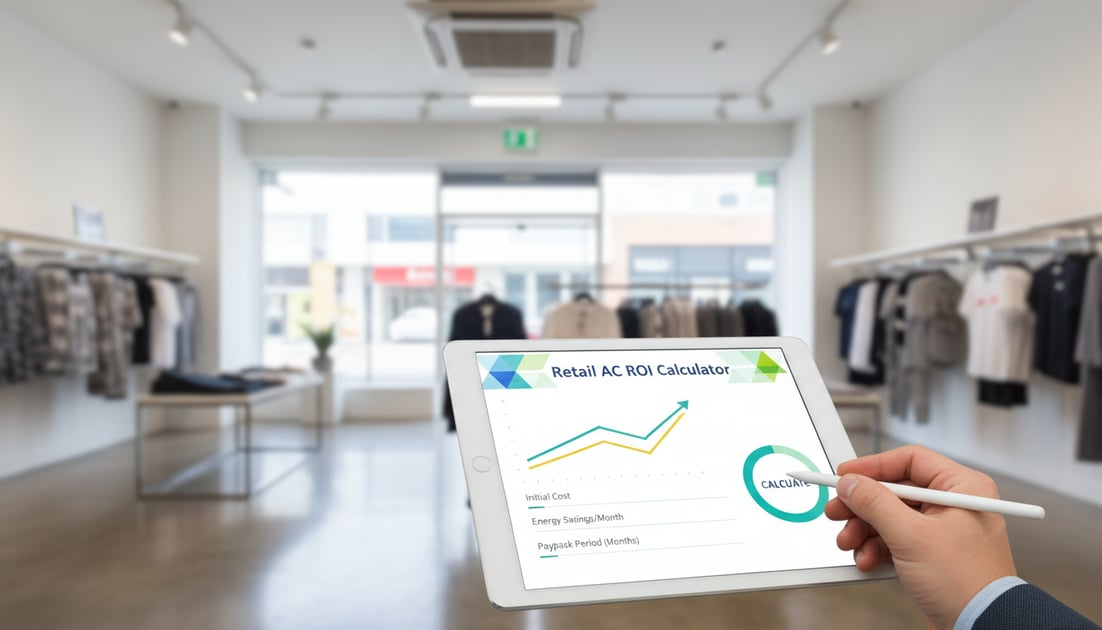
Smart thermostat integration cuts energy consumption by 15-20% through occupancy-based scheduling. Your cooling system automatically reduces output during quiet morning hours, then ramps up before lunchtime crowds arrive. That translates to £170-£480 annual savings for a typical 120-square-metre shop, paying for the thermostat installation within 2-3 years.
Seasonal peak demand considerations hit hardest during summer months when door traffic and outdoor temperatures spike simultaneously. A properly sized heat pump system handles both cooling and heating demands, eliminating separate equipment costs. Ductless systems enable energy savings of up to 30% in retrofit installations compared to traditional ducted alternatives.
Be Cool Air Conditioning calculates these retail-specific installation costs during site assessments, accounting for door traffic patterns and display lighting heat loads that generic quotes miss entirely.
Choosing the Right Commercial AC Partner for Your Retail Shop
Selecting the right HVAC partner determines whether your commercial AC units deliver reliable customer comfort or become costly maintenance headaches. Look beyond installation quotes – the cheapest upfront price often leads to expensive repairs when systems fail during peak trading hours. Your partner needs retail-specific experience calculating door traffic heat loss and display lighting heat loads, not generic commercial expertise.
Prioritise companies offering comprehensive maintenance contracts. Maintenance and repair services held 53.55% of Europe's HVAC market share in 2025 due to mandatory inspections and the reality that preventative maintenance extends system lifespan by 40-60%. A ductless system running without annual filter cleaning and refrigerant checks loses 15-20% efficiency within three years. That translates to hundreds in wasted energy costs annually.
Evaluate response times for emergency repairs. Your cooling system failing on a Saturday afternoon during summer sales costs more than just repair fees – you're losing customers who won't browse in uncomfortable heat. Smart thermostat integration and remote monitoring catch problems before they escalate, but you still need a partner who answers calls outside standard business hours.
Be Cool Air Conditioning combines retail-specific installation expertise with ongoing maintenance support, ensuring your cooling system handles customer comfort demands whilst minimising energy waste. Whether you're running a small boutique with a single ductless unit or managing multiple zones through VRF technology, professional consultation identifies the system that matches your actual heat loads – not oversized equipment that wastes money cycling on and off.
Ready to find the right commercial AC solution for your retail environment? Contact Be Cool Air Conditioning for a site assessment that accounts for your door traffic patterns, display lighting, and zoning requirements.
Frequently Asked Questions
Which AC brand is best for commercial use?
Mitsubishi Electric is a world leader in air conditioning systems for residential, commercial and industrial use.
What is the best air conditioning unit in the UK 2025?
The best air conditioning units for UK homes in 2025 are typically wall-mounted split systems. Top models from brands like Worcester Bosch, Daikin, and Samsung offer the best balance of quiet operation, energy efficiency, and powerful cooling.
Which AC brand is most energy efficient?
Daikin 1.5 Ton 5 Star Inverter Split AC. ...
LG 1.5 Ton 5 Star DUAL Inverter Split AC (AI Convertible) …
Panasonic 1.5 Ton 5 Star Twin Cool Inverter Split AC (Wi-Fi Enabled) …
Blue Star 1.5 Ton 5 Star Inverter Split AC with Turbo Cool.
What is the best commercial AC unit?
Trane. Made well, Trane units are often found in commercial settings, where they may have been in use for years, providing cooling without issues. ...
Carrier. …
York. …
Goodman. …
Lennox. …
Rheem. …
Energy Efficiency. …
Durability.