Emergency AC service vs standard repair: when to call and what you’ll pay
By Be Cool Air Conditioning 13 min read
When Your Air Conditioning Fails: Making the Right Call
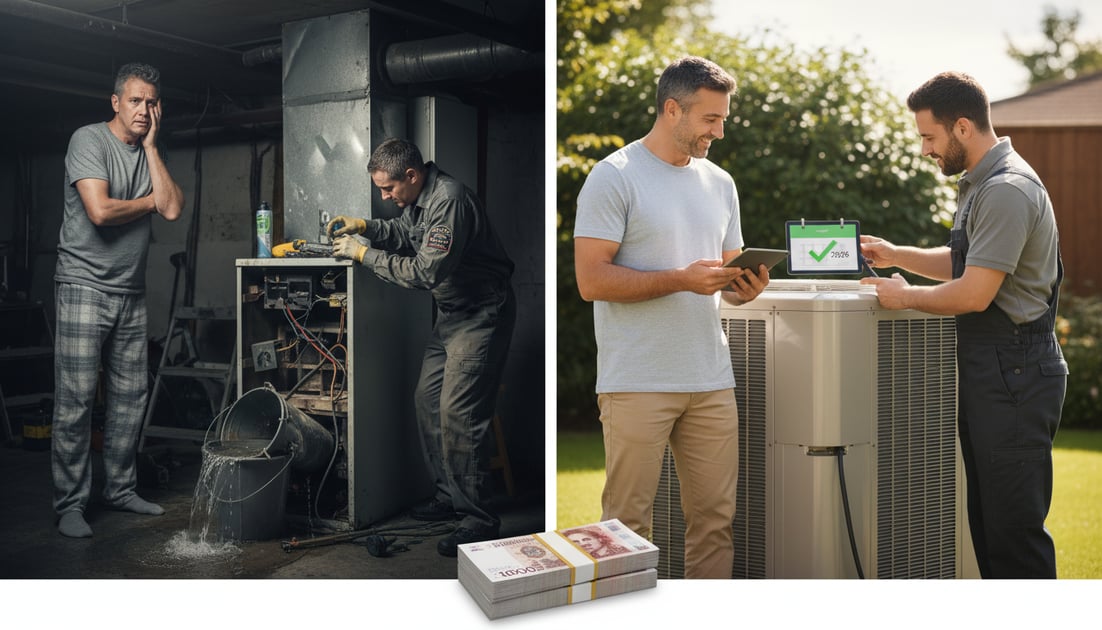
It's a sweltering July afternoon when your air conditioning suddenly stops working. The temperature inside climbs to 28°C within an hour. You're sweating, uncomfortable, and facing a critical decision: do you need an emergency AC service, or can this wait for a standard repair appointment? According to industry data, AC failures peak during heatwaves, with emergency callout requests increasing by over 300% when temperatures exceed 30°C. The choice you make affects both your wallet and your comfort timeline. Emergency ac service typically costs 50-100% more than standard repairs, but you'll get same-day response instead of waiting three to five business days. Weekend rates add another layer to the equation. Understanding when system failure truly requires urgent intervention – and when it doesn't – helps you avoid unnecessary out of hours charges whilst ensuring genuine emergencies receive prompt attention from qualified technicians.
What Is Classed as Emergency Repairs? Defining True AC Emergencies
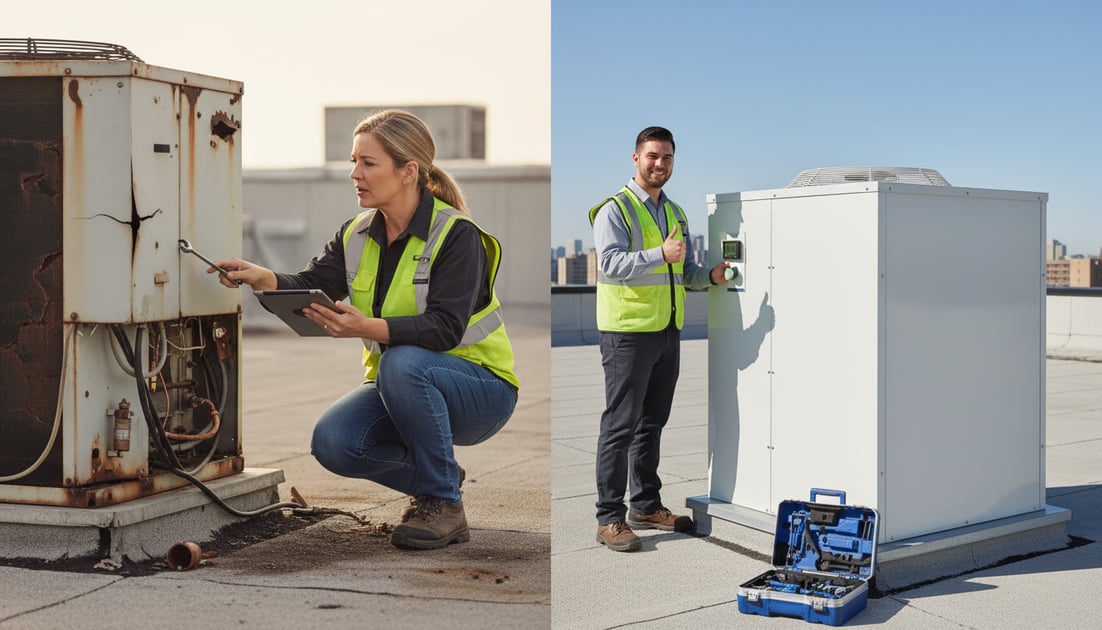
An emergency AC service is a repair that addresses immediate safety hazards or complete system failure requiring same-day intervention. Not every malfunctioning air conditioning unit qualifies as urgent. Here's how to distinguish genuine emergencies from issues that can wait for standard AC repair services:
Refrigerant Leaks – If you notice hissing sounds, ice buildup on pipes, or a sudden drop in cooling performance, you likely have a refrigerant leak. This poses health risks and requires immediate attention from qualified technicians. Refrigerant exposure can cause respiratory issues, and the leak damages your system's efficiency.
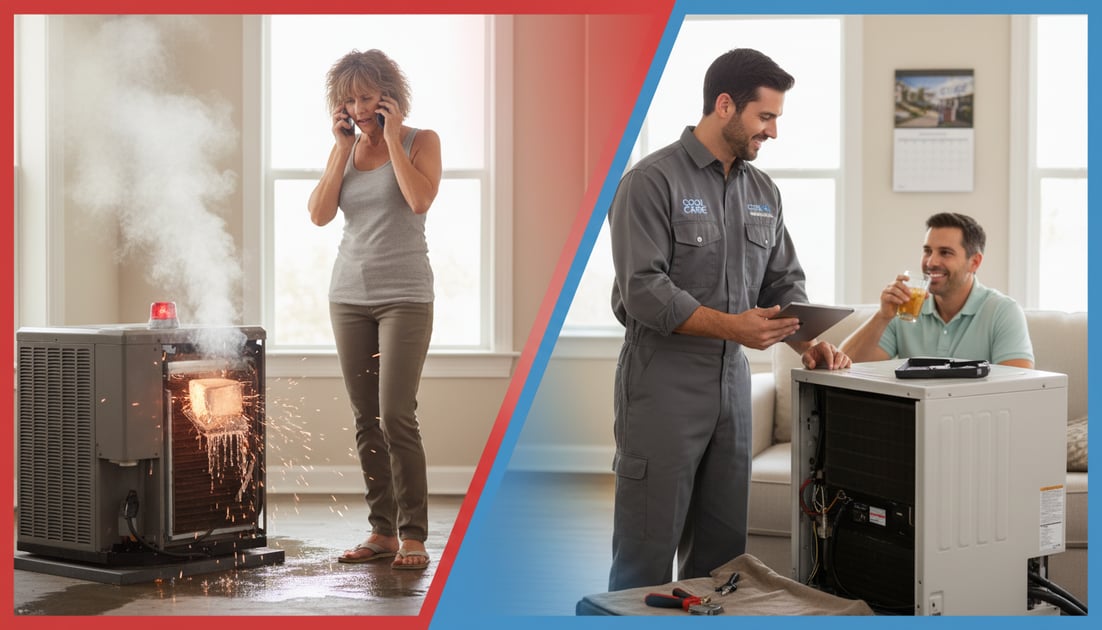
Electrical Faults – Burning smells, sparking, tripped circuit breakers, or visible wire damage indicate electrical problems. These create fire hazards. Switch off your system immediately and call for out of hours emergency support. Electrical faults account for approximately 15% of AC failures but represent the highest safety risk.
Complete System Failure During Extreme Heat – When your AC stops working entirely during a heatwave (temperatures above 30°C), it becomes an emergency, particularly for vulnerable individuals. Be Cool Air Conditioning prioritises same-day response for complete breakdowns during peak summer months when indoor temperatures can reach unsafe levels within hours.
Non-Emergency Issues – Reduced cooling efficiency, minor strange noises, or gradual performance decline don't require emergency callout charges. These warrant standard repair service appointments within three to five business days, saving you 50-100% compared to weekend rates.
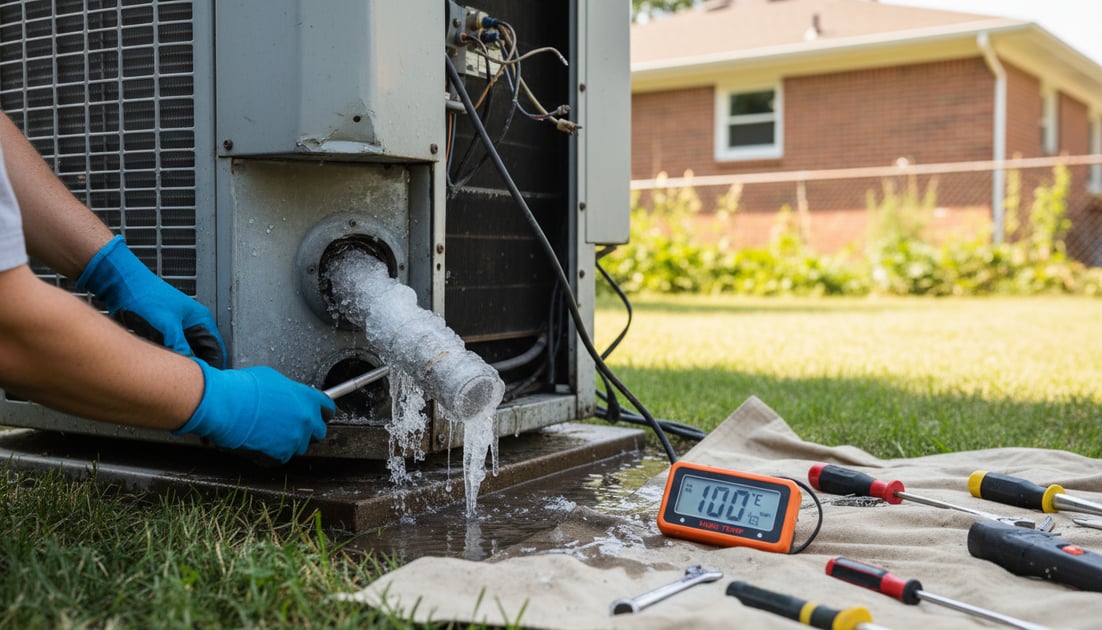
Emergency AC Service vs Standard Repair: Understanding the Key Differences
Emergency AC service differs fundamentally from standard repair appointments in four critical areas: response time, availability, pricing, and service scope. Understanding these distinctions helps you make informed decisions when your cooling system malfunctions.
Response Time and Availability
Emergency services prioritise same-day intervention. Industry data shows emergency HVAC repairs in London aim for under one hour response times when technicians are local. You'll receive immediate attention regardless of the time or day. Standard repairs operate on scheduled appointments, typically three to five business days from your initial call. Weekend rates don't apply because appointments occur during normal working hours.
Pricing Structure
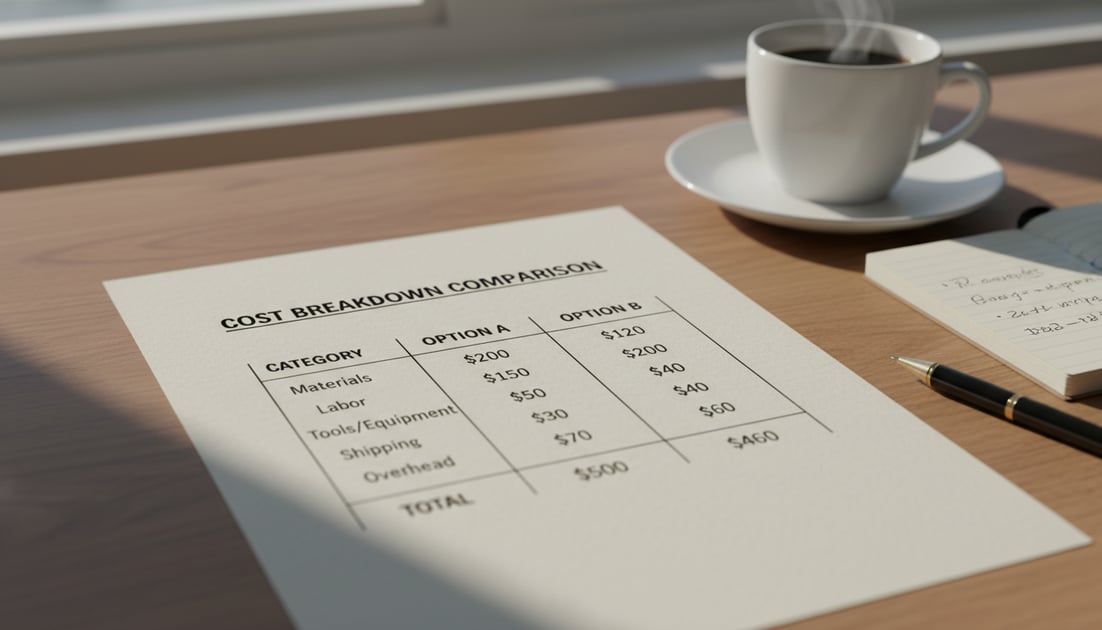
The cost difference is significant. Emergency callout fees range from £150-£250 before any repair work begins, with labour rates 50-100% higher than standard pricing. Standard repair service appointments start at £75-£120 for diagnostic inspection, with predictable hourly rates between £60-£90. Part replacement costs remain similar for both services, but you'll pay premium labour charges for out of hours emergency work.
| Feature | Emergency AC Service | Standard Repair |
|---|---|---|
| Response Time | Under 1 hour (same-day) | 3-5 business days |
| Availability | 24 hour emergency ac service | Monday-Friday, 9am-5pm |
| Callout Fee | £150-£250 | £75-£120 |
| Labour Rate | £120-£180/hour | £60-£90/hour |
| Service Scope | Critical failures, safety hazards | Routine repairs, maintenance |
Service Scope
Emergency technicians focus on immediate fault detection and system restoration. They carry common components for rapid part replacement but may schedule follow-up visits for complex issues. Standard repairs allow comprehensive diagnostic work and planned component ordering, reducing overall installation cost through better preparation.
Be Cool Air Conditioning offers both air conditioning services with transparent pricing structures, ensuring you understand costs before work begins.
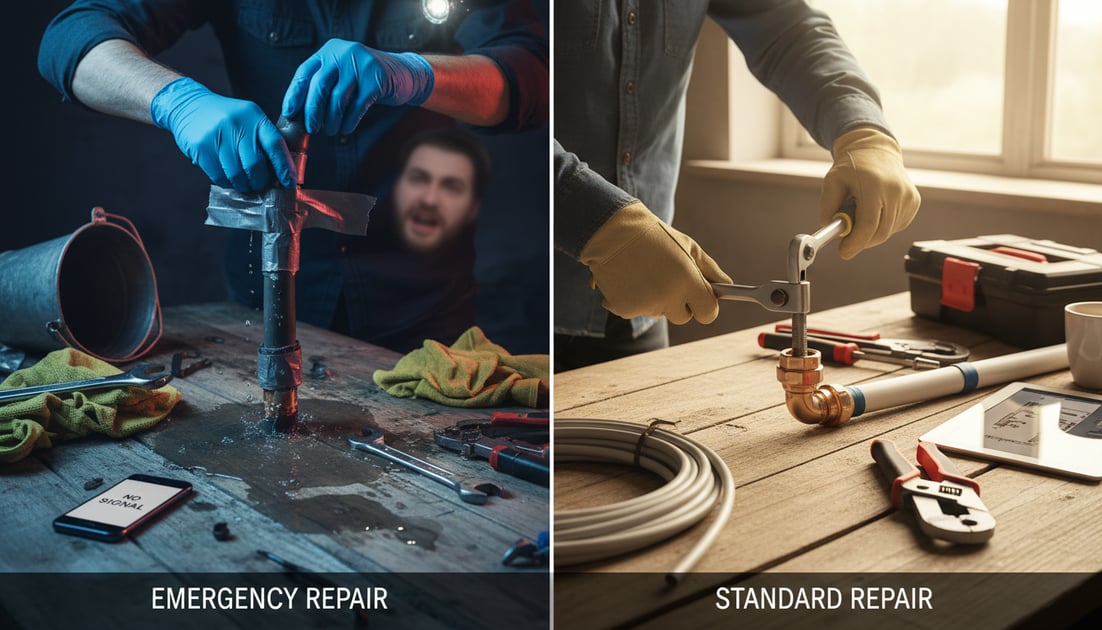
What You'll Pay: Emergency Callout Costs vs Standard Repair Pricing in the UK
Understanding the actual pound amounts behind emergency AC service versus standard repairs helps you budget for the unexpected. The price gap is substantial, and knowing what drives these costs prevents sticker shock when your cooling system fails at the worst possible moment.
Emergency Callout Costs Breakdown
Emergency callout fees start at £150-£250 just to get a qualified technician through your door. That's before any diagnostic work begins. Labour rates for out of hours service range from £120-£180 per hour, compared to standard weekday rates of £60-£90 per hour. Weekend rates typically add a 50% surcharge to the base callout fee, pushing your initial cost to £225-£375 before repairs commence.
Part replacement pricing remains fairly consistent whether you book emergency or standard service. A capacitor costs £45-£75, a contactor runs £60-£90, and a fan motor ranges from £150-£300. The difference? You'll pay double the labour time to install these components during emergency callout. A one-hour repair that costs £60 on Tuesday morning becomes £180 on Saturday night.
Standard Repair Pricing Structure
Standard repair appointments offer predictable costs. Diagnostic inspections start at £75-£120, typically including the first hour of labour. Most routine repairs complete within two hours, bringing total costs to £195-£300 including parts. Be Cool Air Conditioning provides transparent quotes before starting work, ensuring you understand the full AC installation costs or repair expenses upfront.
| Cost Component | Emergency Service | Standard Repair |
|---|---|---|
| Initial Callout | £150-£250 | £75-£120 |
| Weekend Surcharge | +£75-£125 (50%) | N/A |
| Hourly Labour | £120-£180 | £60-£90 |
| Capacitor Replacement | £45-£75 + labour | £45-£75 + labour |
| Typical Total (2 hours) | £390-£610 | £195-£300 |
When Premium Pricing Makes Sense
Emergency rates deliver value during genuine system failure. A complete breakdown during a 32°C heatwave justifies the premium because waiting three days creates health risks and productivity losses. Minor efficiency issues? Schedule standard service and save 50-100% on labour costs.
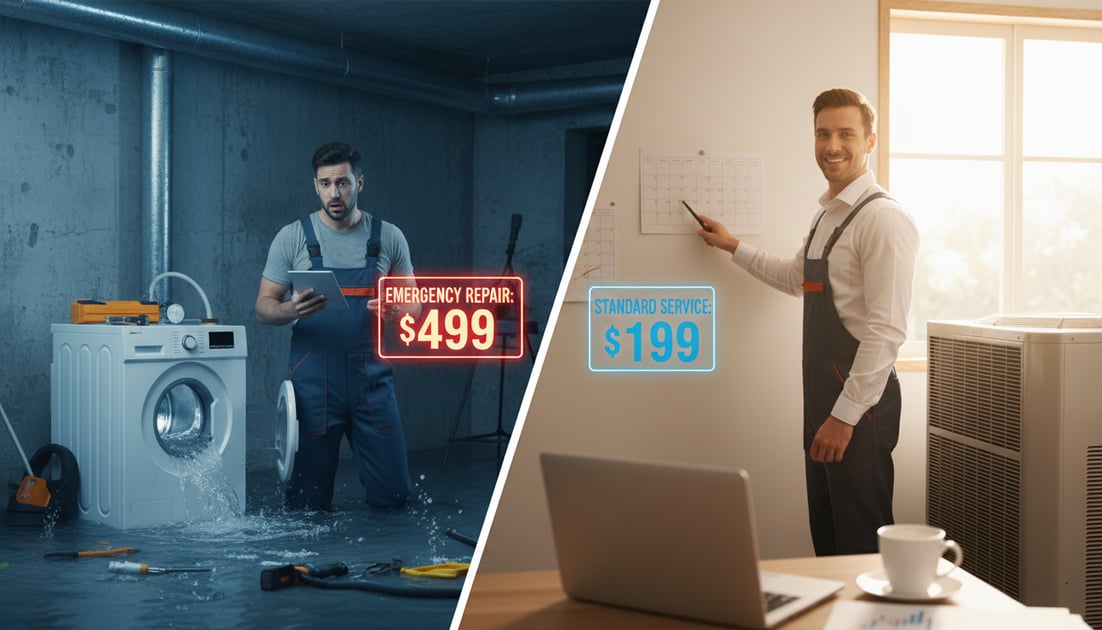
What Is the Difference Between a Service Call and a Maintenance Call?
A service call is a reactive response to a malfunctioning air conditioning system, whilst a maintenance call is a scheduled, preventative inspection of a working unit. Picture this: your AC stops cooling on a Friday afternoon – that's a service call. Your annual spring check-up before summer heat arrives? That's scheduled maintenance.
Service Calls: Reactive Repairs
Service calls happen when something goes wrong. Your cooling system shows reduced performance, makes unusual sounds, or stops working entirely. You call for fault detection and repair service. These appointments address existing issues – refrigerant leaks, electrical faults, or component failures requiring part replacement. Service calls can be standard appointments (three to five business days) or emergency callout situations requiring out of hours response with weekend rates applied.
Maintenance Calls: Preventative Care
Maintenance calls occur on your schedule, typically annually or bi-annually. A qualified technician inspects your system whilst it's still functioning properly. They clean filters, check refrigerant levels, test electrical connections, and identify potential issues before they cause system failure. Industry data shows regular maintenance reduces emergency AC service needs by up to 95% and extends equipment lifespan by five to seven years.
The cost difference is significant. Maintenance visits run £90-£150 annually. Emergency service calls? £390-£610 including repairs. You can request a maintenance call to avoid expensive reactive repairs and ensure reliable cooling when you need it most.
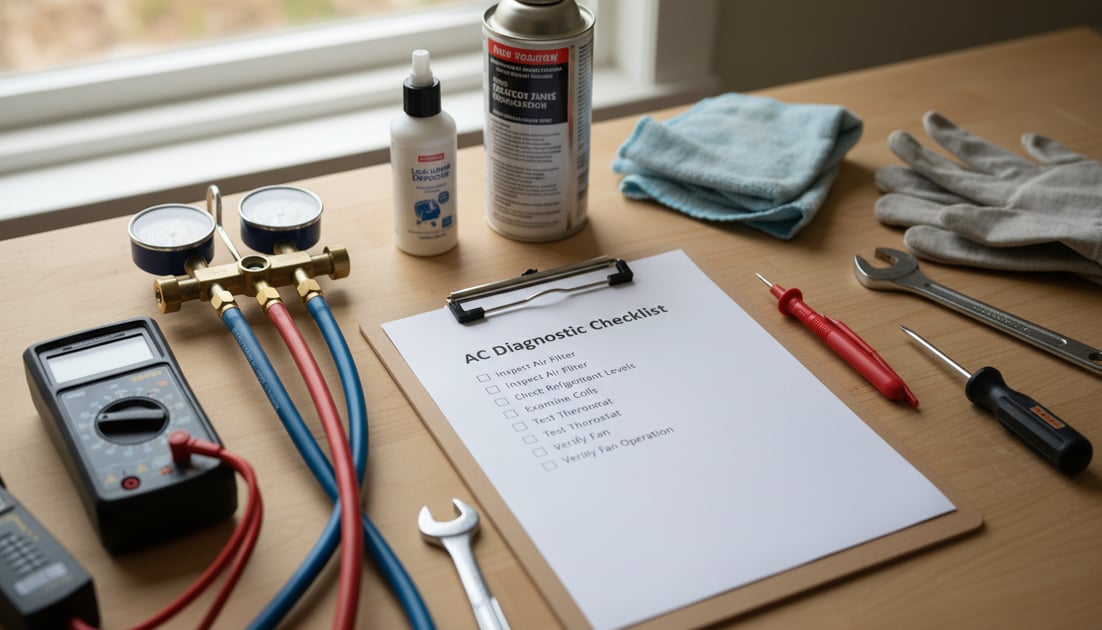
Before You Call: The 3-Minute AC Diagnostic Checklist
Before you search for "emergency ac service near me" and commit to £150-£250 callout fees, spend three minutes checking four common issues. Industry data shows approximately 30% of AC service calls result from simple problems you can resolve yourself – no technician required.
Step 1: Check Your Thermostat Settings
Verify your thermostat is set to "cool" mode, not "fan" or "heat". Confirm the target temperature sits at least 2-3°C below current room temperature. Replace batteries if you have a battery-powered model. Over 60% of new HVAC installations feature smart thermostats, which occasionally lose Wi-Fi connection. Reconnect if needed.
Step 2: Inspect the Circuit Breaker
Walk to your electrical panel. Look for tripped breakers in the "off" position. Your AC unit typically has a dedicated breaker labelled "air conditioning" or "HVAC". Flip it fully off, then back on. If it trips again immediately, you've got an electrical fault requiring professional attention.
Step 3: Examine Your Air Filter
Locate the return air vent (usually a large grille on a wall or ceiling). Remove the filter. Hold it up to light. Can't see through it? It's clogged. Dirty filters cause higher energy use and reduced cooling performance. Replace disposable filters or clean reusable ones. This single check prevents countless unnecessary emergency callout requests.
Step 4: Perform Basic Fault Detection
Listen for unusual sounds – grinding, squealing, or clicking. Check outdoor unit for debris blocking airflow. Feel supply vents for airflow strength. If these checks reveal nothing obvious and your system still won't cool, you need professional diagnosis. Be Cool Air Conditioning responds to genuine emergencies with same-day service, ensuring rapid system restoration when DIY checks don't resolve the issue.
When to Call Emergency AC Service Near Me: Time-Sensitive Scenarios
Certain situations demand immediate 24 hour emergency ac service rather than waiting for standard appointments. Recognising these scenarios protects your property, health, and business operations when every hour counts.
Vulnerable Occupants at Risk – Elderly residents, infants, or individuals with chronic health conditions face serious danger when indoor temperatures exceed 27°C. Heatstroke risk increases by 300% for people over 65 during AC system failure. Call local engineers immediately if vulnerable people occupy the property.
Commercial Business Downtime – Restaurants, data centres, medical facilities, and retail spaces lose revenue every hour without climate control. A single day of downtime costs retail businesses an average of £2,500-£5,000 in lost sales and spoiled inventory. Emergency callout charges become negligible compared to business losses.
Refrigerant Leaks with Chemical Odours – Sweet or chemical smells indicate active refrigerant leaks requiring immediate fault detection. These pose respiratory hazards and environmental risks. Out of hours response prevents prolonged exposure whilst enabling prompt part replacement.
Electrical Failures with Safety Hazards – Burning smells, smoke, sparking components, or repeatedly tripped breakers signal fire risks. Switch off your system immediately and request same-day emergency response. Electrical faults cause approximately 15% of AC failures but represent the highest safety priority.
Complete System Failure During Heatwaves – When outdoor temperatures exceed 30°C and your cooling system stops entirely, indoor conditions become unsafe within two to three hours. Weekend rates apply, but immediate repair service prevents heat-related illness and property damage.
Why Emergency AC Callouts Cost More: The Real Factors Behind Premium Pricing
Emergency AC service costs 50-100% more than standard repairs because you're paying for immediate availability, not just labour time. When your cooling system fails at 11pm on Saturday, you need a qualified technician who's on call, equipped with diagnostic tools, and carrying common components for part replacement. That availability comes at a premium.
Out of hours labour rates reflect unsociable working conditions. Technicians sacrifice evenings, weekends, and holidays to provide 24-hour response. Weekend rates typically add £75-£125 to your callout fee before any repair work begins. Industry data shows HVAC professionals charge £120-£180 per hour for emergency callout compared to £60-£90 during standard appointments – that's double the labour cost for the same repair service.
Rapid response logistics drive costs higher. Emergency engineers maintain fully stocked vehicles with parts for immediate fault detection and system restoration. They can't wait three days for component delivery like standard appointments allow. This inventory investment – capacitors, contactors, refrigerant, electrical components – gets passed to customers through higher callout fees.
Engineer availability creates the biggest cost factor. Maintaining 24/7 coverage requires multiple technicians on rotation. You're paying for the infrastructure that ensures someone answers when system failure strikes during a heatwave. That reliability costs more than scheduled appointments, but it delivers value when every hour without cooling creates health risks or business losses.
Insurance, Warranties, and Coverage: What's Different in Emergency Situations
Emergency AC service affects your warranty coverage and insurance claims differently than standard repairs, particularly when refrigerant work requires F-GAS compliance. Your manufacturer warranty typically remains valid during emergencies – but only if you use qualified technicians with proper certification. Using an unqualified engineer to handle urgent refrigerant leaks voids most warranties immediately, leaving you liable for future part replacement costs.
Home insurance rarely covers routine AC repairs, emergency or otherwise. However, if system failure results from insured perils like storm damage or electrical surges, your policy may reimburse emergency callout fees. Always check your policy terms before assuming coverage. Equipment containing over 2.4kg of refrigerant requires annual leakage checks under UK F-GAS regulations – a legal requirement that emergency engineers must follow even during out of hours repairs. F-GAS certified contractors carry recognised qualifications proving they can safely handle refrigerant during urgent fault detection work.
The critical difference? Emergency situations don't exempt technicians from compliance requirements. Be Cool Air Conditioning maintains full F-GAS certification for emergency refrigerant work, ensuring your warranty stays intact whilst meeting legal obligations during urgent cooling system repairs.
Preventing Future AC Emergencies: Maintenance That Saves You Money
Regular preventative maintenance reduces emergency AC service calls by up to 95% whilst cutting energy costs by 15% annually. Here's how scheduled care protects your investment and prevents costly system failure:
Annual Professional Inspections – Schedule qualified technicians to inspect your cooling system every 12 months, ideally before summer arrives. These diagnostic inspections cost £90-£150 but identify refrigerant leaks, electrical faults, and worn components before they cause complete breakdowns. You'll avoid £390-£610 emergency callout charges through early fault detection and planned part replacement.
Energy Efficiency Optimisation – Clean filters monthly and maintain proper ventilation around outdoor units. Blocked airflow forces your system to work harder, increasing energy bills and accelerating wear. UK households save an average of £210 annually through improved energy efficiency, according to government data on upgraded climate control systems.
Replacement Units Timing – Systems over 12-15 years old require frequent repairs that exceed new installation cost. Monitor repair service frequency. When annual maintenance expenses approach £500-£700, replacement units become more economical than continuing repairs. Modern systems deliver superior energy efficiency, reducing long-term operating costs whilst eliminating weekend rates for aging equipment failures.
Making the Right Call for Your Cooling System
Choosing between emergency AC service and standard repair appointments comes down to three factors: safety hazards, extreme weather conditions, and vulnerable occupants. Refrigerant leaks, electrical faults, and complete system failure during heatwaves warrant immediate response despite premium pricing. Minor efficiency issues, strange noises, and gradual performance decline can wait three to five business days, saving you 50-100% on labour costs.
Be Cool Air Conditioning provides 24-hour emergency response for genuine cooling system crises whilst offering transparent pricing for standard repair service appointments. You'll understand costs before work begins – no surprise charges, no hidden weekend rates. Emergency callout fees start at £150-£250, but you'll receive same-day intervention when indoor temperatures threaten health or business operations.
Ready to restore your comfort? Contact Be Cool Air Conditioning for expert fault detection, qualified technicians, and reliable support whether you need immediate assistance or scheduled maintenance. Your cooling system deserves professional care from experienced HVAC specialists who prioritise your comfort and safety.
Frequently Asked Questions
What is the 3 minute rule for AC?
The 3-minute rule for air conditioners is a guideline to wait at least three minutes after turning the unit off before turning it back on, to allow refrigerant pressure to equalize, preventing strain and potential damage to the expensive compressor, thus extending the unit's lifespan and avoiding costly repairs from short-cycling. This simple pause protects the system's heart, the compressor, from electrical surges and high-pressure starts, which can cause premature failure.
How much do plumbers charge for emergency calls in the UK?
An emergency plumber in the UK typically costs an average call-out fee of £100-£150, plus an hourly rate of £50-£80, with total emergency jobs often ranging from £200-£300 or more depending on the time (nights/weekends are pricier) and complexity of the issue. Expect a minimum charge, often one hour's labour plus the fee, so always confirm costs upfront, including potential material fees and travel charges, and search for genuinely local plumbers to avoid middlemen.
What is classed as emergency repairs?
an immediate danger to life.
major and/or structural damage.
uncontainable leaks (including roof) or flooding.
no power to property.
no water to property.
exposed electrical wires.
unsecure external doors and/or windows.
What is the difference between a service call and a maintenance call?
Maintenance is an annual check-up performed on functioning HVAC equipment. An hvac service call is a diagnosis of non-functioning HVAC equipment. A service call often leads to a repair. Tune-ups may or may not lead to a repair.