Commercial AC service contracts vs pay per visit: Which saves you more in 2026?
By Be Cool Air Conditioning 12 min read
The True Cost of Commercial AC Maintenance in 2026
Your commercial building's air conditioning system isn't getting cheaper to run. Energy costs keep climbing, and the price of unscheduled repairs can devastate your operational budget. A single malfunctioning compressor or circuit board failure can cost between £100 and £300 to repair, and that's before you factor in the downtime affecting your tenants or customers.
Routine commercial AC service typically runs £80 to £120 annually for basic cleaning and safety checks. Sounds manageable, right? But here's the catch – that's just preventative maintenance. Add filter changes at £10 to £30 every six to twelve months, emergency callouts, and the inevitable component failures that come with ageing equipment, and you're looking at a very different number.
The real question isn't whether you'll pay for maintenance. You will. The decision you're facing is whether to lock in predictable costs through a service contract or gamble on pay-per-visit pricing. One approach gives you budget certainty and extended system lifespan through scheduled servicing. The other leaves you vulnerable to surprise expenses when your AC fails during a heatwave. Understanding which model saves you money requires looking beyond the sticker price.
Are Maintenance Contracts Worth It?
Yes, maintenance contracts typically save commercial property owners money when their AC systems require more than two service visits per year. The break-even point sits right there – if you're calling out technicians twice or less annually, pay-per-visit might edge ahead. Beyond that threshold, contracts win on pure economics.
Here's why the maths works. Europe's HVAC maintenance and repair sector held 53.55% of the services market share in 2025, anchored by mandatory inspections and the proven cost benefits of scheduled servicing. Businesses aren't choosing contracts because they enjoy paperwork – they're responding to hard data showing preventative maintenance reduces emergency callouts by up to 40%.
A service contract locks in your annual AC service costs at a fixed rate, typically £150 to £250 for commercial systems. Compare that to pay-per-visit pricing where a single emergency callout during summer can hit £200 before any actual repair work begins. Add the labour and parts, and you've already matched a year's contract value in one crisis.
The real advantage extends beyond immediate cost savings. Regular scheduled servicing through our air conditioning services improves energy efficiency by 10-15%, extends system lifespan by three to five years, and maintains indoor air quality standards your tenants expect. Contracts also prioritise you for emergency response when every commercial building in your postcode is ringing the same engineers during a heatwave.
For commercial properties running AC systems year-round, contracts aren't just worth it – they're essential operational planning.
Service Contracts vs Pay-Per-Visit: The 2026 Cost Breakdown
The numbers tell a clear story. Service contracts for commercial AC systems in 2026 range from £150 to £300 annually, depending on system size and coverage level. Pay-per-visit pricing starts at £80 to £120 for routine servicing, but emergency callouts jump to £150 to £250 before any repair work begins.
Here's the breakdown that matters to your budget:
| Cost Factor | Service Contract | Pay-Per-Visit |
|---|---|---|
| Annual servicing | Included (2-4 visits) | £80-£120 per visit |
| Emergency callout | £0-£50 (priority response) | £150-£250 per callout |
| Filter replacement | Often included | £10-£30 per change |
| Parts discount | 10-20% off | Full retail price |
| Predictable annual cost | £150-£300 total | £200-£600+ variable |
The break-even calculation is straightforward. If you need more than two service visits yearly, contracts save money. A single emergency callout plus one routine service under pay-per-visit pricing already costs £230 to £370 – matching or exceeding most contract rates.
With the UK HVAC services market reaching £2.77 billion in 2026, commercial property managers are choosing predictability. Service contracts eliminate budget surprises and lock in costs before inflation hits. Pay-per-visit works only if your system is new, reliable, and you're comfortable gambling on no summer breakdowns.
Consider operational efficiency too. Contracts include scheduled servicing that catches issues before they escalate. That refrigerant leak detected during routine maintenance costs £50 to repair. Left unnoticed until system failure? You're looking at £300 to £500 for air conditioning repair plus lost cooling during your busiest period.
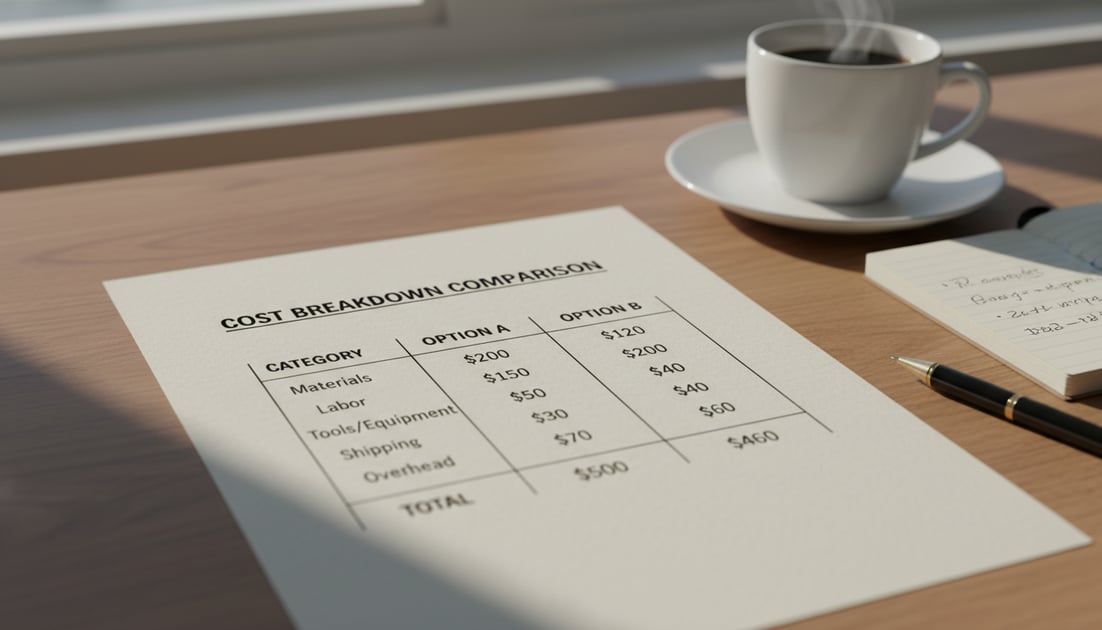
The real cost difference shows up over three years. A contract at £250 annually costs £750 total. Pay-per-visit with two routine services and one emergency per year hits £460 to £640 annually – that's £1,380 to £1,920 over three years. The gap widens further when you factor in reduced energy consumption from properly maintained systems.
Your system's age matters most. Equipment over five years old needs contracts. Newer installations might justify pay-per-visit for the first two years, then switch as components age.
Hidden Costs Both Models Don't Advertise
Both service contracts and pay-per-visit models hide expenses in the fine print. You need to know what you're actually paying for before you sign anything or make that first emergency call.
1. Out-of-Hours Emergency Callouts – Most service contracts include priority response during business hours, but weekend and bank holiday callouts trigger surcharges of £100 to £200 on top of your annual fee. Pay-per-visit customers face even steeper premiums, with emergency rates doubling or tripling after 6pm and on Sundays. That Saturday afternoon system failure during a heatwave? You're paying extra regardless of which model you've chosen.
2. Excluded Components and Wear Items – Service contracts typically exclude compressors, circuit boards, and refrigerant top-ups from standard coverage. These high-value components fail most frequently on commercial systems over five years old. You'll pay retail price for parts and labour when they go, despite maintaining your contract payments. Pay-per-visit customers face the same parts costs but without any discount structure.
3. Refrigerant Leak Repairs and Recharging – Refrigerant leaks sit in a grey area for both models. Contracts often cover leak detection during routine servicing but exclude the actual repair and system recharging. Expect £150 to £400 for refrigerant replacement depending on system size and refrigerant type. Pay-per-visit pricing adds diagnostic fees of £80 to £120 before repair costs even start.
4. System Modifications and Upgrades – Neither model covers improvements to your existing setup. Need ductwork modifications for better indoor air quality? That's a separate quote. Upgrading controls for improved energy efficiency? Additional cost. These expenses hit your budget whether you're contracted or paying per visit, yet they're essential for maintaining system lifespan and performance.

How Often Should Commercial AC Be Serviced?
Commercial air conditioning systems require servicing at least twice annually – once before the cooling season begins and again mid-season during peak usage. This frequency isn't arbitrary. Systems operating in commercial buildings work harder and longer than residential units, accumulating wear on components that directly impact energy efficiency and indoor air quality.
The UK government mandates inspections every five years for AC systems over 12kW capacity, but relying solely on this legal minimum puts your equipment at risk. Quarterly servicing works best for systems running year-round or supporting critical operations like server rooms and medical facilities. Seasonal businesses can often manage with biannual visits, scheduled for spring and late summer when demand peaks.
Your maintenance schedule should respond to actual usage patterns. A retail space running AC eight hours daily needs less frequent attention than a 24-hour commercial building. Filter changes alone demand monthly checks in high-traffic environments where dust and particulates compromise airflow. Neglecting this basic task reduces system efficiency by 5-15% and forces components to work harder, shortening system lifespan.
Preventative maintenance through scheduled servicing catches refrigerant leaks, electrical issues, and worn belts before they escalate into costly failures. An HVAC inspection during routine service takes 60-90 minutes and costs £80 to £120. Compare that to emergency repairs averaging £300 to £500 when systems fail unexpectedly. The financial case for regular ac service is straightforward – consistent attention prevents expensive breakdowns and maintains the operational efficiency your commercial property depends on.
How Scheduling Maintenance Saves Time and Money
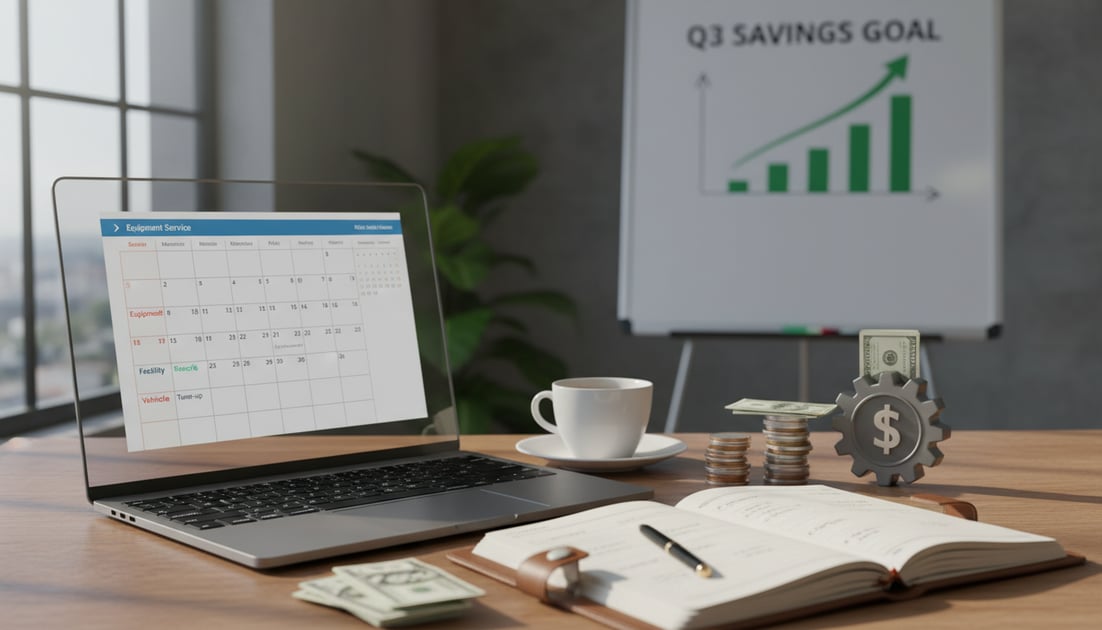
Scheduled preventative maintenance reduces your total AC operating costs by addressing small issues before they become expensive emergencies. The mechanism is simple – catching a worn belt during routine servicing costs £20 to £40, whilst replacing a seized compressor after catastrophic failure runs £800 to £1,500. You're not just avoiding repair costs; you're preventing the operational downtime that affects your commercial building's productivity.
1. Energy Efficiency Improvements Cut Monthly Bills – Properly maintained AC systems consume 10-15% less energy than neglected equipment. Dirty coils, clogged filters, and low refrigerant levels force your system to work harder, driving up electricity costs month after month. A qualified technician performing scheduled servicing cleans components, optimises airflow, and ensures your system operates at peak efficiency. For a commercial property spending £500 monthly on cooling, that's £50 to £75 back in your budget every single month.
2. Extended System Lifespan Delays Capital Expenditure – Regular ac service extends equipment lifespan by three to five years. Commercial AC systems cost £3,000 to £15,000 to replace depending on capacity. Scheduled servicing protects that investment by preventing premature wear on compressors, motors, and control systems. You're essentially buying time before facing major capital expenditure on new AC installation services.
3. Downtime Prevention Protects Revenue – A malfunctioning AC system during summer doesn't just cost repair fees – it drives customers away and reduces employee productivity. Scheduled maintenance identifies potential failures weeks before they happen, letting you plan repairs during off-peak hours. Emergency breakdowns happen on the hottest days when every HVAC contractor is overwhelmed. Prevention wins.
4. Performance Monitoring Catches Issues Early – Each scheduled visit creates a service history tracking system performance over time. Technicians spot gradual refrigerant loss, declining airflow, or unusual operating temperatures that signal developing issues. Early intervention costs substantially less than reactive repairs after complete system failure.
Real-World ROI: Case Studies from UK Commercial Buildings
A Manchester office complex with 12,000 square feet of commercial space switched from pay-per-visit to a comprehensive service contract in 2024. Their first-year results tell the story – total maintenance costs dropped from £1,847 to £850 annually. The contract eliminated three emergency callouts that had cost £200 each, whilst scheduled servicing caught a refrigerant leak early at £85 instead of the £450 repair they'd faced the previous summer when the system failed completely.
The numbers get more compelling over time. A London retail building running AC year-round tracked their costs across both models for three years. Pay-per-visit pricing averaged £1,420 annually with unpredictable spikes during heatwaves. After switching to a £280 annual contract, their costs stabilised and energy bills dropped 12% – roughly £340 saved on electricity alone. That's £620 total annual savings, or £1,860 over three years. System lifespan projections also improved from 11 years to 15 years based on performance monitoring data.
Commercial buildings with ageing equipment see even stronger returns. A Birmingham warehouse operating 15-year-old AC units faced £2,100 in reactive repairs during one particularly hot summer. Their facilities manager implemented quarterly preventative maintenance at £400 annually. The following year brought zero emergency callouts and a 15% improvement in energy efficiency. The warehouse recovered their annual contract cost within four months through reduced electricity consumption alone.
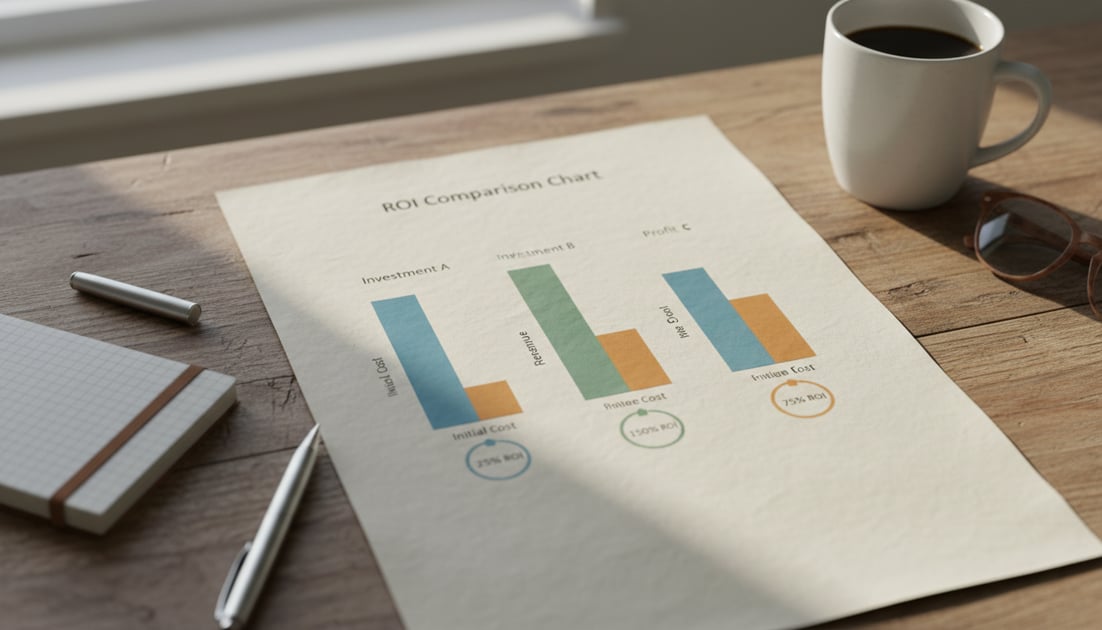
Be Cool Air Conditioning tracks similar patterns across commercial clients – properties with service contracts report 65% fewer emergency callouts and 18% lower total operating costs compared to pay-per-visit approaches. The data consistently shows contracts deliver positive ROI within 8-14 months for commercial buildings running AC systems over five years old.
Indoor air quality improvements also contribute to ROI, though they're harder to quantify. Regular filter changes and coil cleaning reduce airborne particulates by 30-40%, creating healthier working environments that reduce sick days and improve productivity.
Which Model Suits Your Business Best?
Your building type determines which service model saves you money. Small offices under 2,000 square feet with newer AC systems can justify pay-per-visit pricing for the first three years. You'll need one or two routine services annually, keeping costs around £160 to £240. Service contracts make less financial sense when your equipment is reliable and your cooling demands are modest.
Medium to large commercial buildings over 3,000 square feet need service contracts. Retail spaces, warehouses, and multi-tenant offices running AC systems beyond five years old will always save money with fixed annual pricing. The operational efficiency gains and downtime prevention alone justify the £200 to £300 annual investment.
Here's the decision framework based on actual usage patterns:
| Business Profile | System Age | Annual Usage | Best Model | Why |
|---|---|---|---|---|
| Small office | 0-3 years | Seasonal (Apr-Sep) | Pay-per-visit | Low failure risk, minimal servicing needs |
| Retail space | 3-5 years | 8-10 hours daily | Service contract | Moderate usage demands preventative maintenance |
| Warehouse/Distribution | 5+ years | Year-round | Service contract | High usage accelerates wear, contracts prevent costly downtime |
| Multi-tenant building | Any age | Continuous | Service contract | Tenant expectations require guaranteed response times |
Commercial buildings with critical cooling requirements – server rooms, medical facilities, food storage – should never gamble on pay-per-visit pricing. A single system failure costs more in lost inventory or downtime than five years of service contracts combined.
Your decision also depends on budget predictability needs. Property managers answering to boards or investors need the fixed costs that contracts provide. Owner-operated businesses with flexible budgets can absorb the variability of pay-per-visit pricing, though they'll still pay more over time.

Making the Right Choice for Your Commercial Property
The decision between service contracts and pay-per-visit pricing comes down to your system's age and your tolerance for budget uncertainty. If your commercial AC equipment is over five years old or runs year-round, contracts save you money – typically £500 to £1,100 over three years compared to reactive maintenance. Newer systems serving seasonal businesses might justify pay-per-visit for two to three years, but the break-even point sits at just two service visits annually.
Be Cool Air Conditioning helps commercial property managers across the UK navigate these decisions with transparent pricing and tailored maintenance packages designed for your specific operational needs. Our service contracts eliminate the guesswork around annual AC costs whilst delivering the scheduled servicing that extends system lifespan and maintains energy efficiency.
The real choice isn't just about saving money today. Preventative maintenance through contracts protects your capital investment in AC equipment, prevents revenue-damaging downtime, and maintains the indoor air quality your tenants expect. Pay-per-visit works only when you're willing to gamble on no emergency callouts during peak cooling season.
Ready to lock in predictable costs and protect your commercial building from expensive AC failures? Contact Be Cool Air Conditioning for a free consultation and discover which service model delivers the best ROI for your property.
Frequently Asked Questions
Are maintenance contracts worth it?
Final Thoughts. A maintenance contract isn't just about ticking a box—it's about keeping your business running, your staff happy, and your budget under control. If you like the idea of fewer surprises and more peace of mind, it's probably worth a conversation.
How often should commercial AC be serviced?
General Recommendation: Twice Per Year
For most commercial HVAC systems, we recommend biannual maintenance—once in the spring for cooling equipment and once in the fall for heating systems. These seasonal tune-ups ensure your system is ready to perform efficiently just as demand starts to peak.
How does scheduling maintenance save time and money?
In summary, scheduling maintenance is a proactive strategy that saves both time and money by preventing costly breakdowns, extending equipment life, and optimizing efficiency. It's a valuable practice for businesses of all sizes and across various industries.
How often should a commercial air conditioner be serviced?
Recommended Maintenance Schedule
Businesses should have their commercial air conditioning serviced at least once a year to ensure their system is working at peak efficiency. A yearly service gives your technician the opportunity to clean your system and check if any parts need replacing.