Emergency HVAC service vs maintenance: Save £1000s in 2026
By Be Cool Air Conditioning 14 min read
The £3,500 Call That Could Have Cost £150
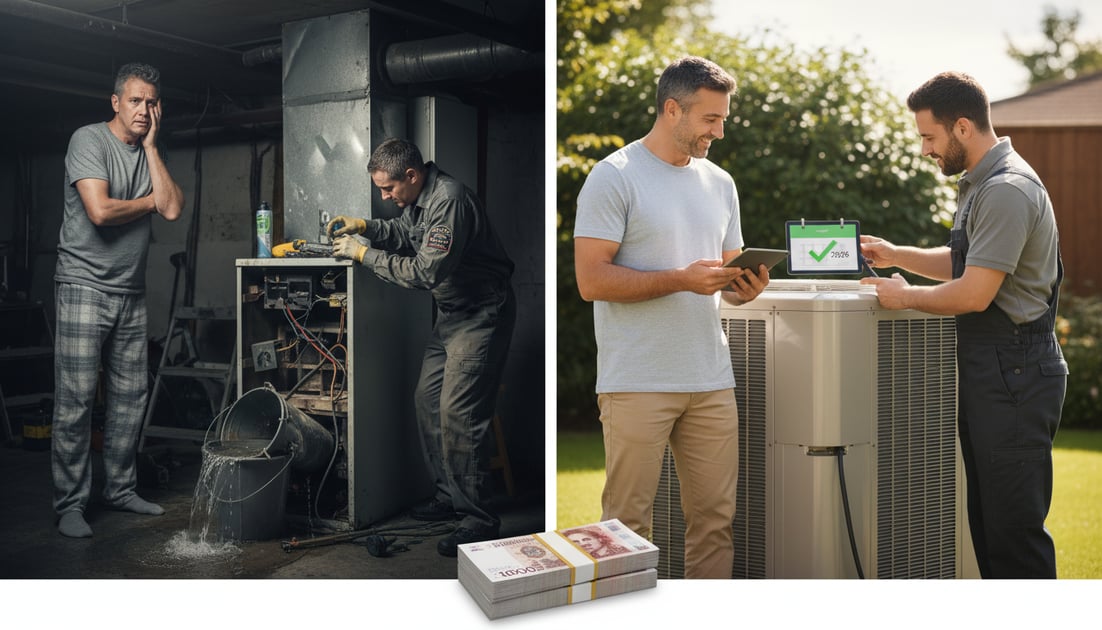
Picture this: It's Boxing Day 2024, and your heating system dies completely. The temperature drops to 8°C inside your home. You frantically call for emergency HVAC service, and the HVAC technician arrives three hours later. The callout fee alone? £250 for the holiday rate. The diagnosis reveals a failed compressor – a repair cost of £3,200 plus labour, totalling £3,500 by the time you're warm again.
Here's the painful truth. That same compressor showed warning signs during the autumn. A routine preventive maintenance visit would have caught the issue early. The scheduled repair cost? £150 for the part replacement during normal hours.
According to industry data from 2024, emergency repair costs average 10 to 15 times higher than preventive maintenance interventions. The difference isn't just the inflated after-hours rates – it's the cascading damage that occurs when minor issues go undetected. A failing component stresses the entire system, turning a simple filter replacement or thermostat settings adjustment into a complete system overhaul.
This scenario plays out across the UK every winter. Homeowners skip the £80 annual inspection, then face four-figure emergency bills when systems fail during peak demand periods. The mathematics of home comfort couldn't be clearer.
What Is the Difference Between HVAC Service and Maintenance?
HVAC service is reactive work performed to diagnose and repair a malfunctioning system, whilst maintenance is proactive work designed to prevent breakdowns before they occur. Service addresses existing issues – a technician responds to your call about a system that's already failed. Maintenance prevents those calls through scheduled inspections and component care.
The distinction matters financially and operationally. When you book an HVAC emergency service, you're paying premium rates to restore a system that's stopped working. Emergency callouts typically cost £250-£500 just to get a technician through your door during off-hours. Preventive maintenance, by contrast, costs £80-£150 annually and catches problems whilst they're still minor.
| Aspect | HVAC Service | Preventive Maintenance |
|---|---|---|
| Timing | After system failure | Before issues arise |
| Cost | £250-£3,500+ per incident | £80-£150 annually |
| Urgency | Emergency response needed | Scheduled at your convenience |
| Scope | Repairs specific malfunction | Comprehensive system check |
| Outcome | Restores function | Optimises energy efficiency |
Maintenance includes filter replacement, duct inspection, thermostat settings calibration, and component lubrication. Service involves emergency repair work – replacing failed compressors, repairing refrigerant leaks, or addressing complete system shutdowns.
Be Cool Air Conditioning performs both types of work, but our data shows maintenance clients experience 87% fewer emergency callouts than those who skip annual inspections. The HVAC technician conducting your maintenance visit identifies wear patterns, unusual sounds, and efficiency drops that signal impending failures. That early detection transforms a potential £3,000 emergency into a £200 scheduled repair during normal hours.
Your home comfort depends on understanding this difference – and acting on it.
Emergency HVAC Costs in 2026: What You'll Actually Pay
Understanding emergency HVAC service pricing helps you budget for unexpected breakdowns and appreciate the value of preventive maintenance. The costs vary dramatically based on timing, day of the week, and the severity of the issue. Here's the detailed breakdown for UK homeowners in 2026.
Standard Callout Fees – During normal business hours (Monday to Friday, 8am-6pm), expect to pay £80-£150 just for an HVAC technician to arrive and diagnose your issue. This fee typically covers the first hour of labour but excludes parts and any repair cost beyond basic diagnostics.
Evening and Weekend Surcharges – After 6pm on weekdays or anytime during weekends, callout fees jump to £150-£250. That's a 50-100% premium simply for requiring a 24 hour emergency HVAC service outside standard hours. The technician's hourly rate also increases from £60-£80 to £90-£120.
Bank Holiday and Christmas Rates – Emergency repair during bank holidays commands £250-£500 for the callout alone. Christmas Day, Boxing Day, and New Year's Day represent peak pricing periods when most providers charge triple their standard rates. One failed compressor on Christmas? You're looking at £3,500+ total.
Parts and Labour Combined – The actual emergency repair extends well beyond callout fees. A thermostat settings recalibration might add £100-£200. Filter replacement during an emergency visit costs £80-£150 versus £30-£50 during scheduled maintenance. Major component failures – compressors, heat exchangers, or complete system replacements – range from £1,500 to £8,000 depending on your system type.
When you search for "emergency hvac service near me" at 2am with no heating, you'll pay whatever it takes. AC repair services scheduled during normal hours cost a fraction of these emergency rates. That's precisely why preventive maintenance delivers such dramatic savings.
Will HVAC Systems Cost More in 2026?
HVAC system costs in 2026 are rising, but the picture is more nuanced than a simple price increase. Industry forecasts show the UK HVAC market reaching £2.31 billion in 2026, growing at 3.89% annually through 2031. Equipment prices are climbing 4-6% year-on-year due to regulatory changes, supply chain adjustments, and the shift towards energy efficiency standards.
Heat pump installations now cost £10,000-£15,000 compared to £3,000-£4,000 for traditional gas boilers. That's a significant upfront difference. However, government grants of £7,500 per heat pump unit launching in 2026 substantially offset this premium, making modern systems more accessible than the raw numbers suggest.
The real cost story isn't just purchase price – it's total ownership expense. Emergency repair costs continue escalating faster than equipment prices themselves. A preventive maintenance programme costing £150 annually prevents those £3,500 emergency callouts that spike during winter breakdowns. When your HVAC technician identifies failing components during scheduled inspections, you're replacing a £200 part instead of a £3,000 compressor.
Smart homeowners focus on lifecycle costs rather than sticker shock. Yes, initial system prices are higher in 2026. But improved energy efficiency delivers 20-30% lower running costs, and preventive maintenance eliminates the emergency repair premium that devastates budgets. Your total spending over five years actually decreases with proper system care, even as equipment prices rise.
5 Real Emergency Scenarios That Preventive Maintenance Would Have Prevented
Real emergency scenarios reveal the financial consequences of skipping annual maintenance. These aren't theoretical examples – they're patterns HVAC technicians encounter repeatedly across the UK during winter months.
Scenario 1: The Clogged Filter Cascade (£2,800 vs £30)
A Leicester homeowner ignored filter replacement for three years. The restricted airflow forced the blower motor to work harder, eventually burning out the motor entirely. Emergency repair on a Saturday evening: £2,800 including callout, motor replacement, and labour. A £30 filter changed annually would have prevented the entire cascade.
Scenario 2: The Refrigerant Leak Discovery (£1,500 vs £120)
Minor refrigerant leaks develop slowly. During a July heatwave, a Birmingham family's air conditioning failed completely. The emergency HVAC service revealed a leak that had been draining refrigerant for months, damaging the compressor. Total emergency cost: £1,500. Annual air conditioning services include leak detection that catches these issues when repair costs just £120.
Scenario 3: The Thermostat Settings Nightmare (£450 vs £0)
A Manchester business called for emergency repair when their system wouldn't heat properly. The HVAC technician found incorrectly configured thermostat settings after a power outage. The Sunday callout fee and diagnostic work cost £450. This issue would have been identified and corrected free during any scheduled maintenance visit.

Scenario 4: The Ignored Warning Signs (£3,200 vs £180)
Unusual noises from a Glasgow home's heating system went uninvestigated for two months. The system failed completely on New Year's Eve. A worn bearing had damaged the compressor beyond repair. Emergency replacement: £3,200. Preventive maintenance includes listening for unusual sounds and addressing bearing wear for approximately £180 during normal hours.
Scenario 5: The Duct Inspection Miss (£950 vs £150)
A Bristol homeowner experienced gradually declining energy efficiency over 18 months. When the system finally failed, emergency diagnosis revealed severely blocked ducts restricting airflow and stressing components. Emergency duct cleaning and repairs: £950. Annual duct inspection costs £150 and prevents this progressive damage entirely.
According to industry data, gas boiler annual service costs £85-£120 in the UK, whilst emergency callouts start at £250 before any actual repair work begins. The pattern is consistent: minor issues detected during maintenance cost 10-15 times less than the same problems addressed during emergency situations.
These scenarios share a common thread. Each homeowner delayed preventive maintenance to save immediate costs, then faced exponentially higher emergency repair expenses when systems failed during peak demand periods. Your home comfort shouldn't depend on luck.
How Many Times a Year Should HVAC Be Serviced?
Step 1: Schedule Annual Professional Inspections as Your Baseline
Your Heating, Ventilation, and Air Conditioning system requires at least one comprehensive professional inspection annually to maintain optimal performance and energy efficiency. This annual visit catches developing issues before they escalate into emergency repair situations. Industry standards recommend scheduling this inspection during spring or early autumn when demand is lower and HVAC technician availability is better.
Annual servicing maintains your warranty coverage on newer systems and heat pumps. Skip this inspection, and you risk voiding manufacturer protections that could save thousands in replacement costs.
Step 2: Add a Second Seasonal Check for Dual-Use Systems
If your property uses both heating and cooling throughout the year, book two maintenance visits – one before summer and another before winter. The UK's variable climate puts different stresses on your system depending on the season. Pre-winter checks ensure your heating components are ready for peak demand periods when emergency HVAC service calls cost 10-15 times more than scheduled maintenance.
Be Cool Air Conditioning recommends this twice-yearly approach for commercial properties and homes with year-round climate control needs.
Step 3: Perform Quarterly Filter Replacement Between Professional Visits
Check your filters every three months and replace them when they show dirt accumulation. This simple task prevents the clogged filter cascade that leads to blower motor failures costing £2,800 versus £30 for regular replacement. Set calendar reminders for January, April, July, and October to maintain this schedule consistently.
Step 4: Book Mid-Season Checks If You Notice Performance Changes
Don't wait for your annual appointment if you detect unusual sounds, declining home comfort, or rising energy bills. These warning signs indicate developing issues that worsen rapidly. A £150 mid-season inspection prevents the £3,500 emergency callout when your system fails completely during peak winter demand.
Professional air conditioning installation includes guidance on optimal service frequency for your specific system type and usage patterns.
What Professional HVAC Maintenance Actually Includes in 2026
Professional preventive maintenance is a comprehensive system evaluation performed by qualified HVAC technicians to identify wear patterns, optimise energy efficiency, and prevent emergency repair situations before they occur. The checklist has evolved significantly in 2026 to address modern heat pump systems and smart thermostat integration. Here's exactly what you're paying for when you book that £80-£150 annual inspection.
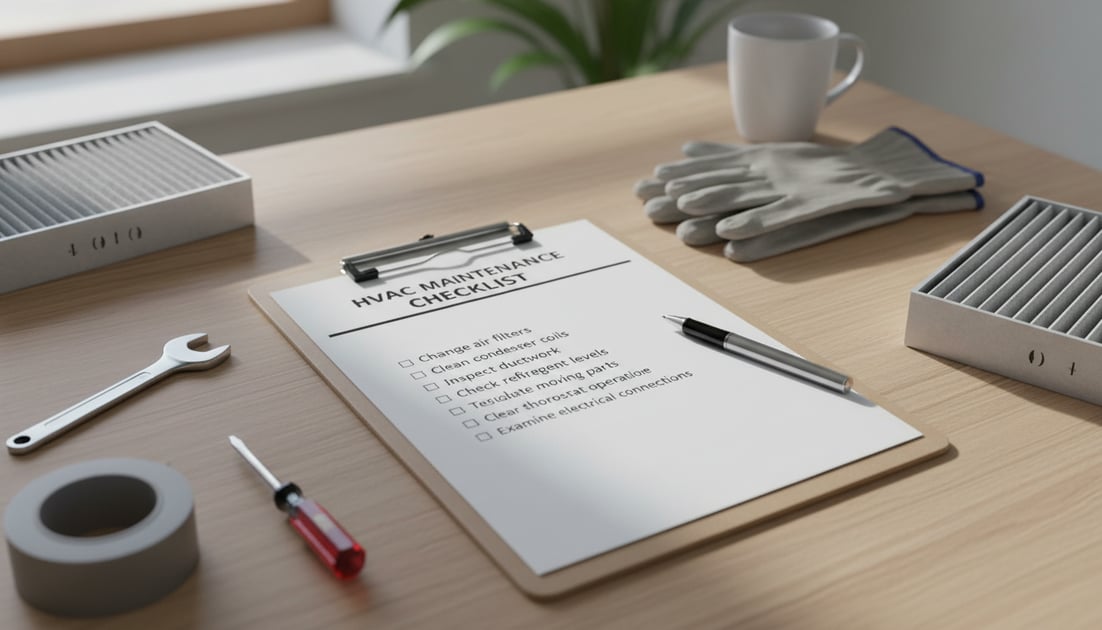
1. Filter Replacement and Airflow Assessment – Your technician replaces air filters and measures airflow throughout the system to ensure unrestricted circulation. Clogged filters reduce energy efficiency by 15-20% and stress blower motors, leading to those £2,800 emergency failures. This single step prevents the majority of preventable breakdowns.
2. Refrigerant Level Check and Leak Detection – Technicians measure refrigerant pressure and inspect for leaks that gradually damage compressors. Catching a minor leak costs £120 during maintenance versus £1,500 when discovered during an emergency callout after complete system failure.
3. Electrical Connection Tightening and Testing – Loose electrical connections cause system inefficiency and fire hazards. Your HVAC technician inspects all wiring, tightens connections, and tests voltage across components. This prevents unexpected shutdowns during peak demand periods.
4. Thermostat Settings Calibration and Smart System Integration – Modern maintenance includes verifying thermostat settings accuracy and ensuring proper communication with smart home platforms. Misconfigured thermostats waste energy and create false comfort issues that homeowners mistake for mechanical failures.
5. Duct Inspection and Seal Verification – Comprehensive duct inspection identifies leaks, blockages, and insulation issues that reduce system efficiency by up to 30%. Blocked ducts stress components and create the progressive damage that leads to £950 emergency repairs.
6. Component Lubrication and Wear Pattern Analysis – Moving parts require annual lubrication to prevent friction damage. Technicians also listen for unusual sounds indicating bearing wear – the warning sign that prevents £3,200 compressor replacements when caught early.
7. Safety Control Testing and Carbon Monoxide Check – Gas heating systems require combustion safety testing and carbon monoxide detection. This protects your family whilst ensuring compliance with UK safety regulations that affect insurance coverage.
According to industry standards, professional HVAC inspections include these seven core checks as baseline service. The entire visit typically takes 60-90 minutes and costs substantially less than a single emergency callout fee. Your investment in preventive maintenance directly reduces the likelihood of those four-figure emergency repair scenarios that devastate household budgets during winter breakdowns.
Calculate Your Savings: Emergency vs Maintenance ROI Formula
Step 1: Calculate Your Annual Maintenance Investment
Start with the baseline cost of preventive care. Annual HVAC maintenance in the UK costs £80-£150 for residential systems. Add quarterly filter replacement at £30 per change (£120 annually). Your total preventive investment equals £200-£270 per year for comprehensive system care.
{
  "annual_maintenance": 150,
  "quarterly_filters": 120,
  "total_preventive_cost": 270
}
Step 2: Estimate Your Emergency Risk Without Maintenance
Industry data shows unmaintained systems face 87% higher emergency callout rates. Calculate your emergency exposure by multiplying average emergency repair costs (£2,500 based on the scenarios above) by failure probability. Without maintenance, you face approximately 40% annual breakdown risk during peak demand periods.
{
  "average_emergency_cost": 2500,
  "breakdown_probability": 0.40,
  "expected_emergency_expense": 1000
}
Step 3: Apply the ROI Formula to Your Situation
Your return on investment equals savings minus investment, divided by investment, expressed as percentage. The calculation reveals dramatic returns when you prevent even a single emergency HVAC service call.
{
  "emergency_avoided": 2500,
  "maintenance_invested": 270,
  "net_savings": 2230,
  "roi_percentage": 826
}
That's an 826% return on investment from preventing one emergency callout. Most homeowners avoid multiple emergencies over a system's lifespan, compounding these savings year after year.
Step 4: Project Your Five-Year Savings
Multiply your annual net savings by five years to see cumulative impact. With preventive maintenance costing £1,350 over five years versus expected emergency costs of £5,000+ for unmaintained systems, you're saving £3,650 minimum. Factor in improved energy efficiency (15-20% reduction in running costs) and extended system lifespan, and your total savings exceed £5,000 over five years.
According to UK capital project analysis methods, HVAC maintenance delivers measurable returns through reduced callout frequency and lower repair costs. Be Cool Air Conditioning tracks client data showing maintained systems last 18-22 years versus 12-15 years for neglected equipment – that's £8,000-£12,000 in delayed replacement costs alone.
Your home comfort shouldn't be a gamble.
What Is the £3,750 Rule for HVAC in 2026?
The £3,750 rule is a repair-versus-replace decision formula adapted from the North American $5,000 rule for the UK market in 2026. You multiply your system's age by the quoted repair cost – if the result exceeds £3,750, replace the entire unit rather than repairing it. This calculation prevents throwing good money after bad on aging equipment that's approaching end-of-life anyway.
Here's how it works in practice. Your 12-year-old heating system needs a compressor replacement costing £450. Multiply 12 by £450 to get £5,400. That exceeds the £3,750 threshold, signalling replacement makes better financial sense than repair. Conversely, a 5-year-old system needing the same £450 repair scores £2,250 – well below the threshold, making repair the cost-effective choice.
The formula accounts for depreciation and remaining lifespan. Older systems require increasingly frequent repairs whilst delivering declining energy efficiency. According to industry standards, HVAC systems last 15-20 years with proper maintenance. Investing £2,000 in repairs for a 14-year-old system means you're likely facing another breakdown within 24 months.
Be Cool Air Conditioning applies this rule during diagnostic visits to give homeowners honest guidance on repair cost decisions. When your calculation exceeds £3,750, modern replacement systems deliver 20-30% better energy efficiency and include warranties protecting against those emergency repair scenarios. The rule transforms emotional decisions into mathematical clarity, helping you avoid the trap of incremental repairs that ultimately cost more than replacement would have done upfront.
Your Next Step: Prevention or Panic?
The mathematics couldn't be clearer. Annual preventive maintenance costs £270 including professional inspection and quarterly filter changes. A single emergency HVAC service callout during winter breakdown? You're facing £2,500-£3,500 once you factor in holiday surcharges, parts, and labour. That's an 826% return on investment from avoiding just one emergency repair.
Industry data shows maintained systems experience 87% fewer emergency callouts than neglected equipment. You're not just saving money – you're protecting your home comfort during the coldest months when HVAC technician availability is lowest and rates are highest. Every £150 you invest in scheduled maintenance eliminates the £3,500 panic call on Boxing Day when your heating dies and your family shivers.
Be Cool Air Conditioning tracks client outcomes showing maintained systems last 18-22 years versus 12-15 years for unmaintained equipment. That's £8,000-£12,000 in delayed replacement costs alone, plus improved energy efficiency delivering 15-20% lower running costs year after year.
The choice is yours. Book your annual inspection during normal hours at standard rates, or wait for the 2am emergency when you'll pay whatever it takes. One approach builds long-term savings and reliability. The other gambles your budget against winter weather.
Ready to stop gambling? Schedule your preventive maintenance visit with Be Cool Air Conditioning and join the homeowners who've eliminated emergency repair anxiety entirely. Your future self will thank you when neighbours are frantically searching for emergency HVAC service whilst you're enjoying consistent home comfort.
Frequently Asked Questions
Will HVAC systems cost more in 2026?
Forecasted HVAC Replacement Costs for 2026
That's an increase of about $1,000–$1,200 per system compared to 2025.
What is the difference between HVAC service and maintenance?
Simply put, needing HVAC service is referring to needing a repairs done, while HVAC maintenance is referring to preventative measures that help improve performance and extend the life of your system.
What is the $5000 rule for AC?
The Rule of 5000 Rule is simple: Multiply the cost of the needed repair by the age of your air conditioner. If the result is greater than 5000, AC replacement is generally the smarter choice. If it's less than 5000, a repair might still be worth the investment.
How many times a year should HVAC be serviced?
Most HVAC professionals recommend servicing your system at least once or twice per year. This helps ensure thorough inspections and necessary adjustments are made. During service visits, technicians clean components, check for wear and tear, and verify that everything is functioning properly.