Local AC installers vs national: 5 key UK differences
By Be Cool Air Conditioning 15 min read
Why Your Choice of AC Installer Matters More Than Ever
The UK climate is changing, and your home needs to keep up. Residential properties now account for nearly 75% of the HVAC market, reflecting how essential climate control has become for British households. It's not just about staying comfortable during the occasional heatwave anymore – energy efficiency, long-term reliability, and proper installation directly impact your running costs for decades.
Here's the challenge: choosing between local AC companies and large-scale installers isn't straightforward. Both promise quality work. Both employ qualified technicians. Yet the differences in aftercare, installation cost, and emergency cover can dramatically affect your experience.
The installer you choose determines whether your air conditioning system delivers energy-efficient performance or becomes an expensive headache. Poor installation compromises even the best equipment, while expert fitting ensures optimal efficiency from day one. Be Cool Air Conditioning has seen countless cases where homeowners switched from struggling with distant support teams to receiving fast response times from community-based service providers.
This decision framework helps you evaluate what truly matters: transparent pricing, comprehensive support, and technicians who understand your specific needs. The following five differences reveal exactly where local and national installers diverge.
Local AC Installers vs National: 5 Key UK Differences
Choosing between local AC companies and large-scale installers fundamentally changes your experience from installation day through to aftercare. The distinction isn't simply about company size – it's about how service delivery, pricing structures, and technical expertise align with your specific property needs.

1. Personalised Service vs Standardised Processes
Local AC service providers tailor solutions to your property's unique characteristics. They assess room layouts, existing infrastructure, and energy efficiency requirements without forcing you into predetermined packages. Large-scale installers typically offer fixed-tier systems designed for volume efficiency, not individual homes. You'll work directly with the technician who installs your equipment, not through call centre intermediaries.
2. Response Times and Emergency Cover
Installation backlogs grew over 25% year-over-year due to certified installer deficit across the UK. Local installers maintain smaller client bases within defined geographic areas, enabling same-day or next-day emergency cover. National providers often schedule repairs weeks ahead, routing requests through regional hubs. Be Cool Air Conditioning responds to emergency callouts within hours, not days – a critical difference when your system fails during extreme weather.
3. Transparent Pricing Without Hidden Margins
| Pricing Element | Local Installers | National Companies |
|---|---|---|
| Quote Structure | Itemised, property-specific | Tiered packages with add-ons |
| Installation Cost | Direct labour + materials | Corporate overheads included |
| Aftercare | Often included in initial quote | Typically separate service contracts |
Community-based service providers show you exactly where your money goes. Large companies build franchise fees, marketing costs, and shareholder returns into every quote, inflating installation cost by 15-30% on comparable systems.
4. Local Climate and Building Expertise
Heating engineers familiar with your region understand specific challenges: coastal humidity, urban heat islands, or period property constraints. They've installed systems in neighbouring streets and know which heat pump configurations work in local building stock. National technicians follow corporate protocols regardless of regional variations.
5. Community Investment and Accountability
Trusted installers maintain reputations within their service areas. Poor work damages future business directly. National brands absorb complaints across thousands of installations, diluting individual accountability. Your AC installation services become part of a local portfolio, not a database entry.
These differences compound over your system's 15-20 year lifespan, affecting everything from boiler servicing integration to long-term energy efficiency performance.
Do You Need a License for AC in the UK?
You cannot legally install or service air conditioning systems in the UK without proper certification. The work requires F-Gas certification, a mandatory qualification for anyone handling refrigerants in AC units, heat pump systems, or commercial refrigeration equipment. This isn't a recommendation – it's a legal requirement under UK and EU regulations that protect both environmental standards and public safety.
F-Gas certification proves technicians understand how to handle fluorinated gases without environmental damage or system compromise. Every qualified heating engineer working with AC must hold this credential before touching refrigerant-containing equipment. Companies also need corporate certification, meaning both individual technicians and their employers face regulatory scrutiny.
Local AC repair companies often display these credentials prominently because community reputation depends on verified qualifications. National installers employ certified staff too, but you're less likely to meet the actual technician beforehand or verify their individual certification status directly.
MCS Standards and Quality Assurance
MCS (Microgeneration Certification Scheme) standards apply when installing renewable heating systems like heat pumps, which increasingly integrate with AC installations for year-round climate control. While not mandatory for standalone AC units, MCS accreditation signals commitment to installation quality and energy efficiency benchmarks. It's particularly relevant when combining boiler servicing, heat pump installation, and AC systems into comprehensive climate solutions.
The compliance landscape differs between local and national providers. Community-based technicians typically maintain direct relationships with certification bodies and local building control authorities. Large-scale installers navigate these requirements through regional compliance teams, creating distance between you and regulatory verification.
Be Cool Air Conditioning ensures every technician holds current F-Gas certification alongside manufacturer-specific training, giving you direct access to air conditioning services that meet both legal requirements and performance standards. Installation cost shouldn't compromise regulatory compliance – qualified work protects your investment and ensures long-term system reliability.
Installation Costs: What Local AC Companies Actually Charge
A single-room AC unit in a UK home costs between £1,500 and £3,000 installed, while multi-room systems range from £4,000 to £8,000 depending on property size and equipment quality. Local AC companies typically quote 15-20% lower than large-scale installers for identical specifications because they don't carry franchise fees or corporate marketing budgets.
What Drives Your Installation Cost
Equipment represents roughly 60% of total installation cost. The remaining 40% covers labour, pipework, electrical work, and structural modifications. Local installers itemise these elements transparently – you'll see separate line items for the outdoor condenser unit, indoor air handlers, refrigerant piping, and electrical upgrades. National providers bundle these into tiered packages, making direct cost comparisons difficult.
Property-specific factors significantly affect pricing. Period properties requiring discreet external mounting cost more than new builds with pre-planned AC provisions. Multi-storey installations demand additional pipework runs. Coastal locations need corrosion-resistant fixtures. Local AC service providers adjust quotes based on actual site surveys, not postcode estimates.
Why Local Installers Deliver Better Value
Community-based technicians eliminate middleman margins. You're paying the heating engineer directly, not subsidising regional managers, call centres, and shareholder dividends. This pricing advantage compounds when you factor in aftercare – many local companies include first-year maintenance and emergency cover without separate service contracts.
Be Cool Air Conditioning structures quotes around your specific requirements rather than forcing standardised packages. A three-bedroom terraced house needs different capacity than a detached property with south-facing conservatory, even if both qualify for the same national provider's "medium home" tier.
Installation quality matters more than initial savings. Poorly fitted systems consume 20-30% more energy through refrigerant leaks, inadequate insulation, or incorrect sizing. Transparent pricing from trusted installers includes proper commissioning, energy efficiency testing, and air conditioning repair guarantees that protect your investment long-term.
Emergency Cover and Response Times: The Local Advantage
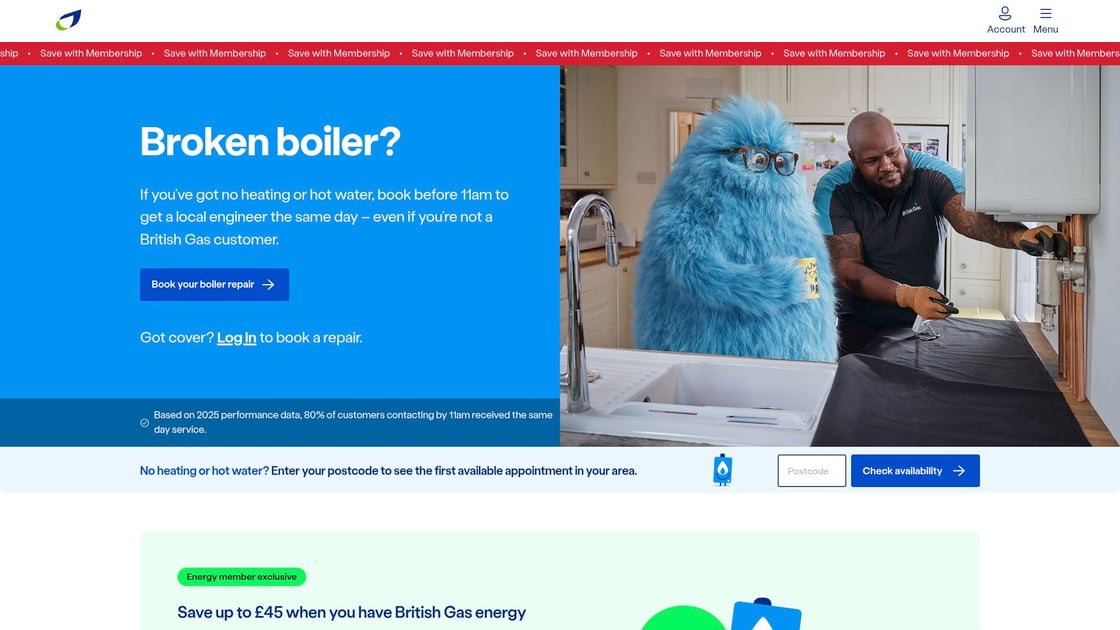
When your AC fails during a July heatwave or your heat pump stops mid-winter, response time becomes the only metric that matters. Local AC repair specialists average 2-4 hour emergency callouts within their service areas, while large-scale installers like British Gas typically schedule emergency visits 24-72 hours after initial contact. That difference isn't just inconvenient – it's the gap between minor disruption and property damage.
How Geographic Coverage Determines Speed
Community-based service providers maintain concentrated client bases, usually within 15-20 mile radiuses. This means qualified technicians reach you faster because they're already working nearby, not dispatched from regional hubs hours away. National companies route emergency callouts through centralised booking systems, adding administrative delays before anyone even starts driving.
| Response Factor | Local AC Companies | National Providers |
|---|---|---|
| Initial Response | 1-4 hours typical | 24-72 hours standard |
| Geographic Coverage | 15-20 mile radius | Regional territories |
| Technician Assignment | Direct dispatch from local base | Routed through call centres |
| Weekend/Holiday Availability | Often included in service | Premium-rate call-out fees |
Real-World Impact on Your Property
A refrigerant leak in your AC system can release harmful gases and damage compressor components within hours. Delayed emergency cover transforms a £200 repair into a £2,000 replacement. Local installers understand this urgency because their reputation depends on immediate neighbours, not quarterly performance metrics reviewed at distant headquarters.
Be Cool Air Conditioning prioritises emergency response within its service territory, dispatching heating engineers who already know local building stock and common system configurations. You're not explaining your property layout to someone reading from a database – you're working with technicians who've likely serviced similar installations in your area.
National companies offer comprehensive emergency cover contracts, but contract terms don't accelerate actual arrival times when you're dealing with failed climate control during extreme weather.
What is the Most Efficient AC Unit in the UK?
The most efficient AC units in the UK achieve A+++ energy ratings and deliver coefficient of performance (COP) ratings between 3 and 5, meaning they produce 3-5 kW of cooling or heating for every 1 kW of electricity consumed. Air-to-air heat pumps currently lead efficiency rankings, with top models reaching 500% efficiency – dramatically outperforming traditional cooling-only systems that typically max out around 300% efficiency.
Energy efficiency in AC units is measured by SEER (Seasonal Energy Efficiency Ratio) for cooling and SCOP (Seasonal Coefficient of Performance) for heating. Units scoring above 8.5 SEER qualify as highly efficient, while reversible heat pump systems combine both functions in one installation. This dual capability makes them particularly cost-effective for UK climates where you need cooling in summer and renewable heating during colder months.
Why Local Specialists Guide You Better
Choosing the most efficient system for your property isn't just about manufacturer specifications. Room orientation, insulation quality, existing heating infrastructure, and usage patterns all affect real-world energy efficiency. Local AC service providers assess these variables during site surveys, recommending systems sized precisely for your needs rather than overselling capacity that wastes energy.
Be Cool Air Conditioning evaluates whether a standalone AC unit, a heat pump system, or integrated climate control delivers optimal performance for your specific property. Large-scale installers typically push whatever product lines their corporate agreements prioritise, regardless of whether those systems suit UK building stock or your energy efficiency goals.
Community-based heating engineers also understand regional installation cost implications. Installing a high-efficiency heat pump in a period property requires different expertise than fitting standard AC in new builds. They'll explain whether your current electrical supply supports advanced systems or needs upgrades, giving you transparent pricing that reflects actual requirements rather than standardised package rates.
The efficiency rating on the box matters less than proper installation, correct sizing, and ongoing maintenance. Even A+++ rated equipment underperforms when incorrectly commissioned, making your choice of installer as critical as your choice of equipment.
Are Air Source Heat Pumps Worth It in the UK?
Air source heat pumps are worth considering in the UK if you're replacing an older heating system, especially with the Boiler Upgrade Scheme covering £7,500 of installation costs. The UK installed 98,000 heat pumps in 2024 – a 64% increase from 2023 – reflecting growing confidence in renewable heating technology. However, the financial case depends heavily on your property's existing insulation and heating infrastructure.
1. Government Funding Makes Heat Pumps More Accessible
The Boiler Upgrade Scheme reduces upfront installation cost significantly, with £2.7bn allocated through 2030 to support the transition from gas boilers to renewable heating. This grant transforms heat pump economics from marginal to compelling for many homeowners replacing inefficient boiler systems.
2. Running Costs Remain a Mixed Picture
Recent surveys show 66% of heat pump users report higher heating costs than their previous systems. This reflects electricity pricing versus gas, not heat pump efficiency. Properties with poor insulation or undersized radiators struggle to achieve the energy efficiency gains that make heat pumps cost-effective long-term.
3. Local Installers Understand Integration Challenges
Combining heat pump installation with existing AC systems requires coordination between heating engineers who understand both technologies. Community-based service providers assess whether your property suits a heat pump or whether upgrading your current boiler servicing delivers better value. National installers push standardised solutions regardless of building-specific constraints.
The government targets 450,000 annual heat pump installations by 2030, signalling long-term policy support that will likely improve installer availability and aftercare networks.
Aftercare, Warranties, and Long-Term Service: Where Local Specialists Excel
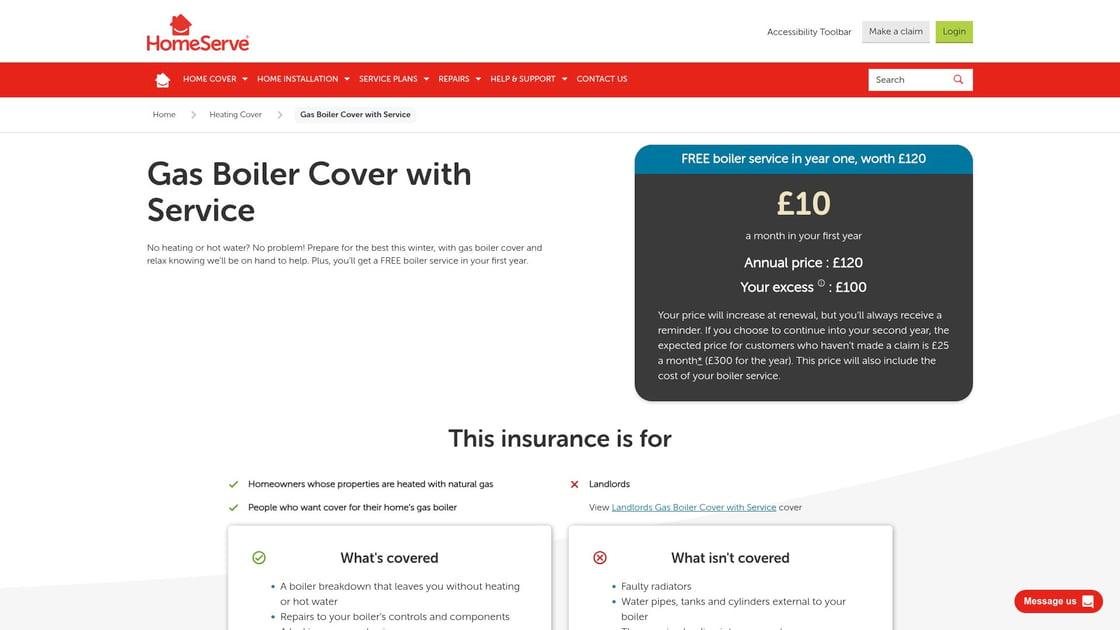
Warranty coverage determines whether a £5,000 AC installation becomes a protected investment or an ongoing expense. Local AC service providers typically offer 5-10 year labour warranties directly, whilst large-scale installers like HomeServe provide separate service contracts that add £200-400 annually to your costs. The distinction isn't just contractual – it's about who actually shows up when your heat pump fails three years after installation.
Warranty Structure: Direct vs Contracted
| Warranty Element | Local Installers | National Providers |
|---|---|---|
| Labour Coverage | 5-10 years included | 1-2 years, then paid contracts |
| Parts Warranty | Manufacturer standard (5-7 years) | Manufacturer standard (5-7 years) |
| Emergency Callouts | Often included in aftercare | Premium service tier required |
| Annual Servicing | Discounted or bundled | Separate maintenance contracts |
Community-based heating engineers build long-term relationships through aftercare, not one-time transactions. Be Cool Air Conditioning includes comprehensive maintenance support because repeat business depends on system performance years after installation cost is settled. National companies monetise aftercare separately – their business model requires converting installations into recurring service revenue.
Ongoing Maintenance: Accessibility Matters
Annual AC servicing prevents 80% of common failures, yet only 40% of UK homeowners schedule preventative maintenance. Local specialists send direct reminders and book familiar technicians who already know your system configuration. National providers route maintenance requests through call centres, often dispatching different engineers each visit who lack installation history.
Regulatory changes like the 2025 refrigerant restrictions under Regulation (EU) 2024/573 affect warranty validity. Local AC companies proactively contact existing clients about compliance updates. Large-scale installers leave regulatory monitoring to homeowners, risking voided warranties through missed requirements.
Your installer choice compounds over decades, not months.
Does AC Add Value to Your Home in the UK?
Air conditioning does add measurable value to UK properties, though the return varies significantly based on installation quality and system type. Estate agents report that energy-efficient climate control features increasingly influence buyer decisions, particularly as the UK HVAC market grows from £2.77 billion in 2026 to a projected £3.36 billion by 2031. Properties with properly installed AC systems appeal to buyers seeking modern comfort standards and lower running costs.
The value proposition depends entirely on professional installation. Poorly fitted systems create liabilities – visible external units mounted incorrectly, noisy operation from improper commissioning, or excessive energy consumption from incorrect sizing all reduce property appeal. Qualified heating engineers ensure installations enhance rather than detract from property aesthetics and functionality.
Local AC installers deliver superior return on investment because they understand regional property characteristics and buyer expectations. They position external units discreetly, integrate systems with existing heating infrastructure, and provide aftercare documentation that reassures future buyers. Be Cool Air Conditioning approaches every installation as a long-term property improvement, not a quick equipment swap.
The installation cost matters less than execution quality when calculating property value impact. A £4,000 system installed expertly adds more market appeal than an £8,000 system fitted poorly by distant contractors who won't return for adjustments. Choose installers who treat your property investment seriously.
How to Choose the Right Local AC Installer: A Practical Checklist
Selecting the right local AC installer protects your investment and ensures reliable performance for decades. Trustmark vets over 5,000 local HVAC installers across the UK, providing a verified starting point for your search. Follow these practical steps to evaluate installers thoroughly before committing to installation cost.
Step 1: Verify F-Gas and Refcom Certification
Check that both the company and individual technicians hold current F-Gas certification. Refcom F-Gas certification is legally required for companies handling refrigerants in air conditioning and heat pump systems. Ask installers to show certification cards directly – legitimate local AC companies display these credentials proudly. This isn't negotiable; uncertified work voids warranties and risks environmental fines.
Step 2: Confirm Trustmark or Industry Accreditation
Trustmark certified 1,200 new air conditioning installers in 2025 through rigorous vetting processes. Look for Trustmark membership, which confirms installers meet government-endorsed standards for competence and consumer protection. Alternative accreditations include Gas Safe Register for combined boiler servicing work or manufacturer-specific certifications that demonstrate ongoing training.
Step 3: Review Local Testimonials and Case Studies
Read reviews from customers in your geographic area, not just national aggregator sites. Local specialist reputations depend on community feedback – poor work damages future business directly. Ask installers for references from recent projects similar to yours: period properties if you own one, commercial installations if you're a business owner, or multi-room residential systems matching your requirements.
Step 4: Request Itemised Quotes and Warranty Details
Demand transparent pricing that separates equipment, labour, materials, and aftercare. Be Cool Air Conditioning structures quotes around specific property requirements rather than forcing standardised packages. Compare warranty coverage carefully – local installers typically include 5-10 year labour guarantees, whilst national providers charge separately for extended emergency cover.
Step 5: Assess Response Time Commitments
Confirm guaranteed response times for emergency callouts and routine maintenance. Local AC repair specialists average 2-4 hour emergency responses within service areas. Get written commitments, not vague promises about "fast service." Your heating engineer should provide direct contact details, not route you through call centres during climate control failures.
Making Your Decision: Local Expertise for Long-Term Comfort
Choosing a local AC installer fundamentally changes your experience from installation through to emergency cover. Community-based service providers deliver faster response times, transparent pricing without corporate margins, and aftercare that protects your investment for decades. You're not just buying equipment – you're establishing a relationship with qualified technicians who understand your property's specific needs and regional building characteristics.
The evidence speaks clearly. Local installers respond to emergencies within 2-4 hours compared to 24-72 hours for large-scale providers. They quote 15-20% lower on comparable systems because you're paying heating engineers directly, not subsidising franchise fees. Most importantly, their reputations depend on your satisfaction within defined service areas, creating accountability that national companies simply cannot match.
Be Cool Air Conditioning combines over 20 years of installation expertise with the responsiveness and personalised service that only local specialists provide. Every technician holds current F-Gas certification, and our emergency callouts reach you within hours when your climate control fails.
Ready to experience the local advantage? Contact Be Cool Air Conditioning for a transparent quote tailored to your property's exact requirements, backed by comprehensive aftercare that keeps your system performing efficiently for years ahead.
Frequently Asked Questions
Do you need a license for AC in the UK?
F-gas Regulations
Air conditioning systems contain refrigerants known as 'F gases'. Air conditioning regulations state that anyone installing or working on a system needs to be adequately qualified. The engineer and the company they work for must have a certificate for working on equipment containing F gas.
Does AC add value to home in the UK?
While fitted air con may not actually add specific value to your home in the way an extension would, it could boost your home's marketability and desirability, which can help maximise what you can get for your property.
Are air source heat pumps worth it in the UK?
If you have electric storage heaters, you could make big savings. The Energy Saving Trust estimates that households with electric storage heaters could make significant savings by switching to an air-source heat pump, compared to those with gas boilers - as much as £1,200 a year for a typical three-bedroom house.