How to reduce cooling costs with preventative maintenance in 2026
By Be Cool Air Conditioning 12 min read
Why Your Cooling Costs Are Higher Than They Should Be
Your cooling bills keep climbing, and the culprit isn't just rising energy prices. Neglected HVAC (Heating, Ventilation, and Air Conditioning) systems work harder to maintain temperature control, consuming up to 30% more energy than well-maintained units. That's money disappearing into inefficiency every single month.
Most businesses and homeowners only call for service when something breaks. This reactive approach triggers expensive emergency repairs and extended downtime – both of which cost significantly more than routine check-ups. A system failure during peak summer demand can mean not just discomfort, but lost productivity and rushed callouts at premium rates.
The real financial damage happens gradually. Dust-clogged filters force your system to run longer cycles. Refrigerant leaks reduce cooling capacity whilst increasing runtime. Minor component wear compounds into major system performance issues. Each problem chips away at equipment lifespan and inflates your energy consumption.
Preventative maintenance flips this equation entirely. Regular servicing catches small issues before they escalate, optimises performance, and extends your system's working life by years. You're not just avoiding emergency repairs – you're actively reducing operational costs through improved energy efficiency. The question isn't whether you can afford preventative maintenance. It's whether you can afford to keep ignoring it.
Does Preventative Maintenance Save Money?
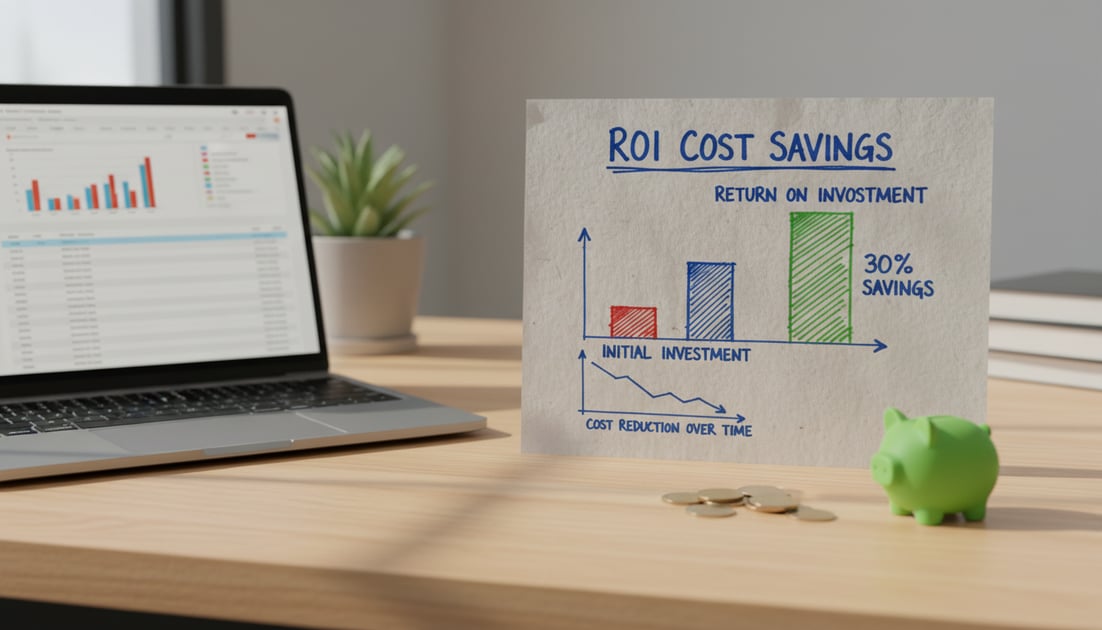
Preventative maintenance delivers measurable returns that far outweigh the upfront investment. Industry data shows that every pound spent on scheduled servicing saves you £3 to £5 in avoided repair costs. That's a 300-500% return on investment before you even factor in energy savings.
The financial benefits stack up across three key areas. First, you slash repair costs by catching component wear before it escalates into expensive system failures. Second, you extend equipment lifespan by 40-50% through proper care and calibration. Third, you reduce energy consumption by maintaining peak system performance – well-maintained units run 15-25% more efficiently than neglected ones.
Here's how the numbers break down over a typical five-year period:
| Cost Category | Without Maintenance | With Maintenance | Savings |
|---|---|---|---|
| Annual energy costs | £1,800 | £1,350 | £450/year |
| Emergency repairs | £2,500 (avg) | £400 (preventive) | £2,100 |
| Equipment replacement | Year 8-10 | Year 15-20 | 5-10 years extended |
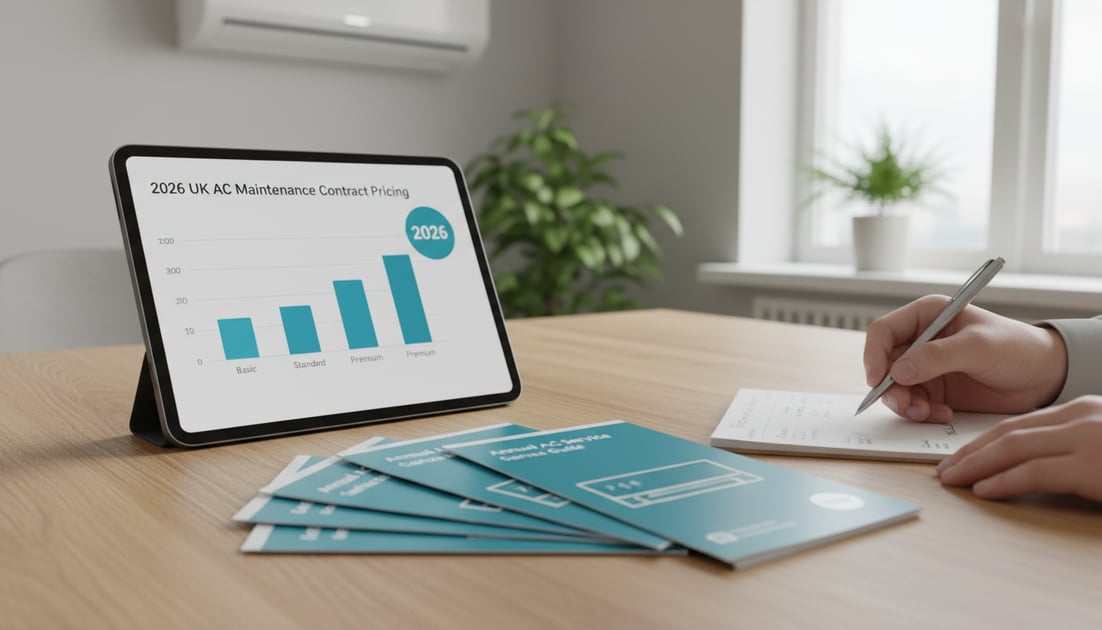
Be Cool Air Conditioning tracks client data showing that businesses on scheduled air conditioning services plans reduce their total cooling costs by 20-35% annually. That's not marketing spin – it's documented savings from reduced downtime, lower energy bills, and fewer emergency callouts.
The real question isn't whether preventative maintenance saves money. It's how much you're willing to lose by skipping it. Temperature control shouldn't be a gamble.
What Are the Advantages of Preventive Maintenance?
Preventive maintenance is a scheduled approach to servicing HVAC systems before problems occur, rather than waiting for emergency repairs. This proactive strategy delivers measurable advantages that directly impact your bottom line and operational efficiency.
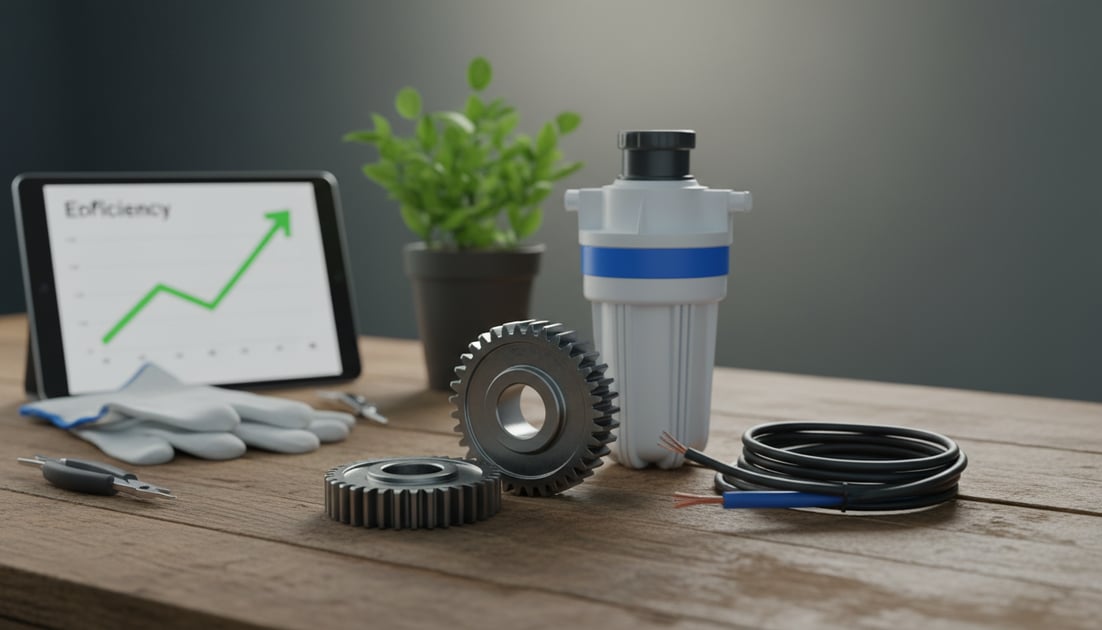
1. Extended Equipment Lifespan – Regular servicing extends your cooling system's working life by 40-60%. Components that receive proper lubrication, cleaning, and calibration experience less wear and tear. Your system reaches its full design life expectancy instead of failing prematurely.
2. Reduced Downtime – Scheduled maintenance happens at your convenience, not during peak cooling demand when you need your system most. You control the timing. System failures during summer heatwaves mean lost productivity, uncomfortable conditions, and rushed callouts at premium rates.
3. Improved System Performance – Clean filters, calibrated thermostats, and optimal refrigerant levels keep your HVAC running at peak efficiency. Well-maintained systems deliver consistent temperature control without the performance degradation that comes from neglected components. You get the cooling capacity you're paying for.
4. Fewer Emergency Repairs – Catching minor issues during routine check-ups prevents them from escalating into expensive system failures. A worn belt replaced during scheduled air conditioning repair costs a fraction of the emergency callout when that belt snaps and damages other components. Preventive maintenance shifts spending from reactive crisis management to planned investment.
5. Enhanced Energy Efficiency – Systems operating with clogged filters, dirty coils, or refrigerant leaks consume 15-30% more energy than properly maintained units. Regular servicing optimises performance and cuts operational costs month after month.
6. Maintained Compliance – Commercial properties must meet regulatory standards for HVAC systems. Documented preventive maintenance demonstrates due diligence and helps you avoid compliance penalties.
How to Do Preventive Maintenance on an AC Unit
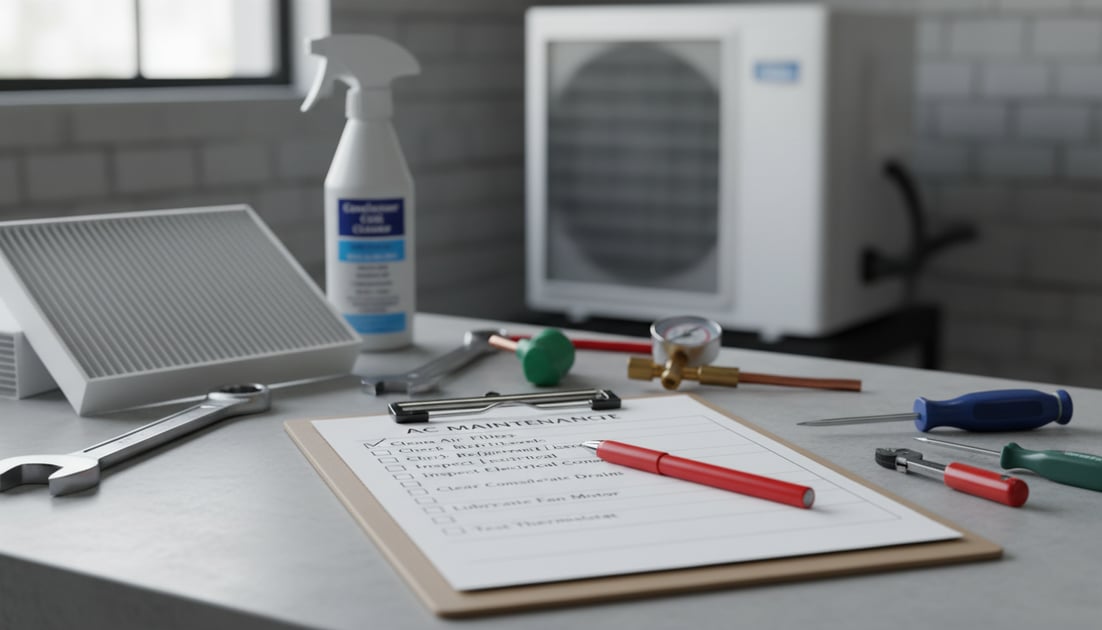
Preventive maintenance on an AC unit is a systematic approach to servicing your cooling system at scheduled intervals to prevent system failures and maintain peak efficiency. Modern 2026 systems with smart thermostats and IoT (Internet of Things) sensors require specific attention to both traditional components and digital monitoring platforms.
Step 1: Inspect and Replace Air Filters Monthly
Check your filters every 30 days during cooling season. Clogged filters restrict airflow and force your system to work harder, increasing energy consumption by up to 15%. Replace disposable filters or clean reusable ones. Smart systems with IoT sensors can alert you when filter pressure drops indicate replacement time, but manual checks remain essential.
Step 2: Clean Condenser and Evaporator Coils Quarterly
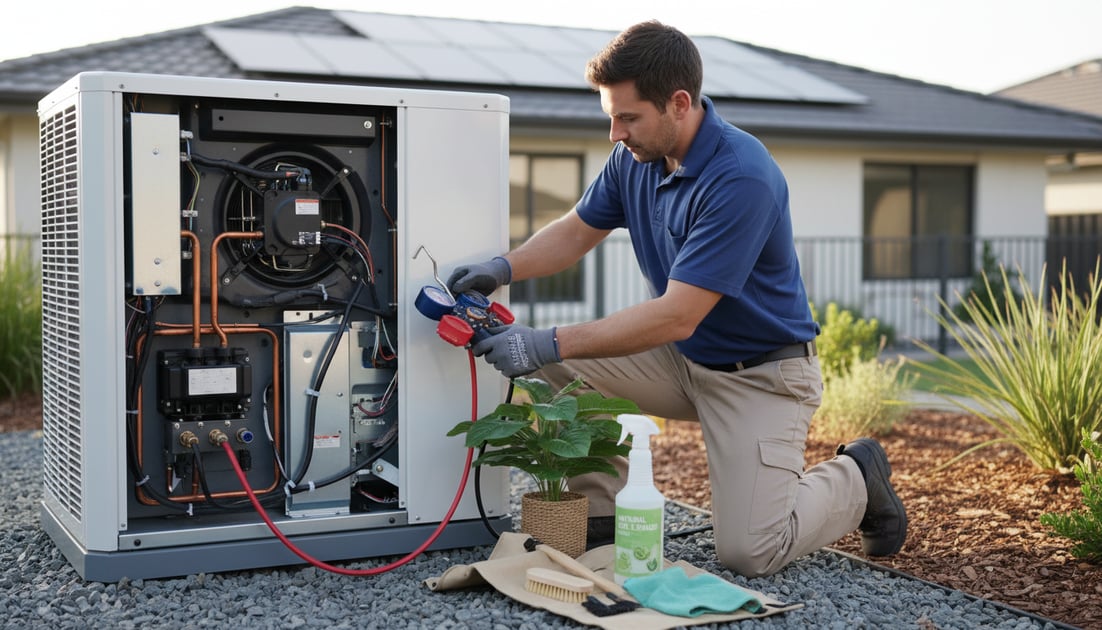
Dirty coils reduce heat transfer efficiency and strain your compressor. Power down your unit completely. Remove debris from the outdoor condenser unit and gently clean coils with a soft brush or specialised coil cleaner. Indoor evaporator coils need annual professional cleaning to maintain optimal performance without damaging delicate fins.
Step 3: Check Refrigerant Levels and Inspect for Leaks
Low refrigerant signals a leak that reduces cooling capacity whilst increasing runtime costs. This requires professional technical inspections – refrigerant handling demands certification. Proper levels ensure your system delivers rated capacity without overworking the compressor.
Step 4: Test and Calibrate Smart Thermostats
Smart thermostats can drift from accurate temperature readings over time. Compare your thermostat reading against a separate thermometer placed nearby. Recalibrate if readings differ by more than 1°C. Update firmware on connected devices to maintain compatibility with IoT sensors and ensure fault detection algorithms function properly. Studies show properly calibrated smart thermostats achieve 17% energy savings compared to manual systems.
Step 5: Inspect Electrical Connections and Tighten Components
Loose connections create resistance, generate heat, and trigger system failures. Turn off power at the breaker. Check all electrical terminals for corrosion or looseness. Tighten connections and measure voltage and current on motors. This prevents unexpected downtime and extends equipment lifespan significantly.
Step 6: Schedule Professional Annual Servicing
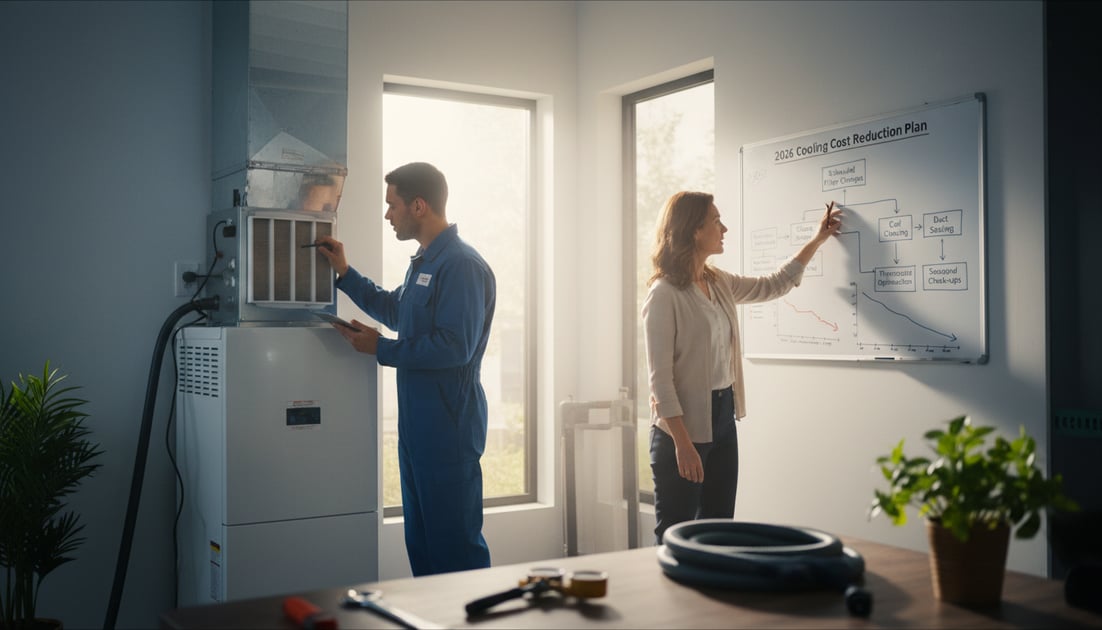
Professional air conditioning services catch issues your routine checks miss. Technicians measure system performance, test safety controls, lubricate moving parts, and verify compliance with current regulations. Be Cool Air Conditioning recommends scheduling before peak cooling season to avoid emergency repairs when you need your system most.
Consistent preventive maintenance reduces your cooling costs through improved system performance and eliminates expensive emergency callouts. You're protecting your investment whilst maintaining reliable temperature control year-round.
Seasonal Maintenance Checklist for Optimal Cooling Performance in 2026
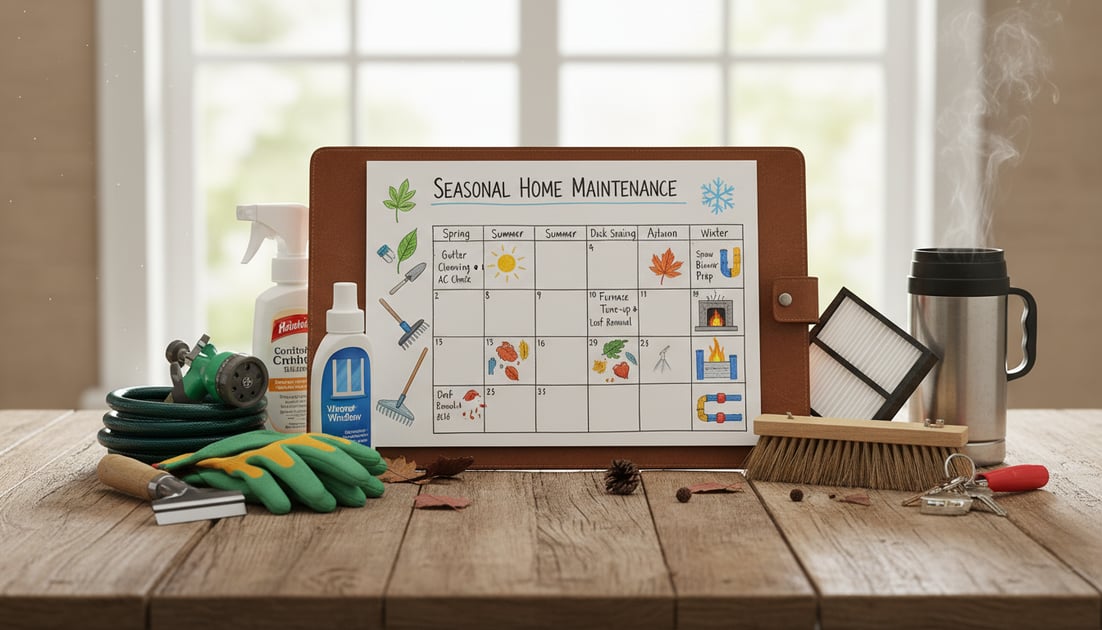
A seasonal maintenance checklist is a quarterly service plan tailored to UK climate patterns that prevents system failures and maintains peak cooling efficiency throughout the year. The UK's variable weather demands specific attention during transitions between heating and cooling seasons – neglecting these periods causes 40% of summer system failures.
1. Spring Preparation (March-April) – Inspect your outdoor condenser unit after winter weather exposure. Remove debris, check for frost damage to coils, and test refrigerant levels before cooling demand peaks. Smart thermostats should receive firmware updates to integrate with 2026 IoT sensors that monitor real-time system performance. This quarter prevents emergency repairs during your first heatwave.
2. Summer Performance Check (June-July) – Monitor filter condition weekly during peak usage. Clean or replace monthly to maintain airflow and prevent 15% efficiency losses. Test temperature control accuracy by comparing thermostat readings against independent measurements. Calibrate if readings drift beyond 1°C. Variable refrigerant flow systems need professional inspection to verify optimal charge levels.
3. Autumn Transition (September-October) – Assess equipment lifespan indicators before winter. Check electrical connections, lubricate moving parts, and document system performance metrics. This quarter determines whether components will survive another year or require replacement during planned downtime rather than mid-season failures.
4. Winter Monitoring (December-January) – Maintain basic operation even when cooling isn't primary. Run your system monthly for 15 minutes to prevent seal deterioration and compressor issues. Schedule annual professional servicing during this low-demand period to avoid summer service scheduling backlogs.
| Season | Priority Task | Performance Impact | Failure Risk |
|---|---|---|---|
| Spring | Refrigerant check | +20% efficiency | High |
| Summer | Filter maintenance | +15% efficiency | Medium |
| Autumn | Component inspection | Extended lifespan | High |
| Winter | Professional service | Preventive care | Low |
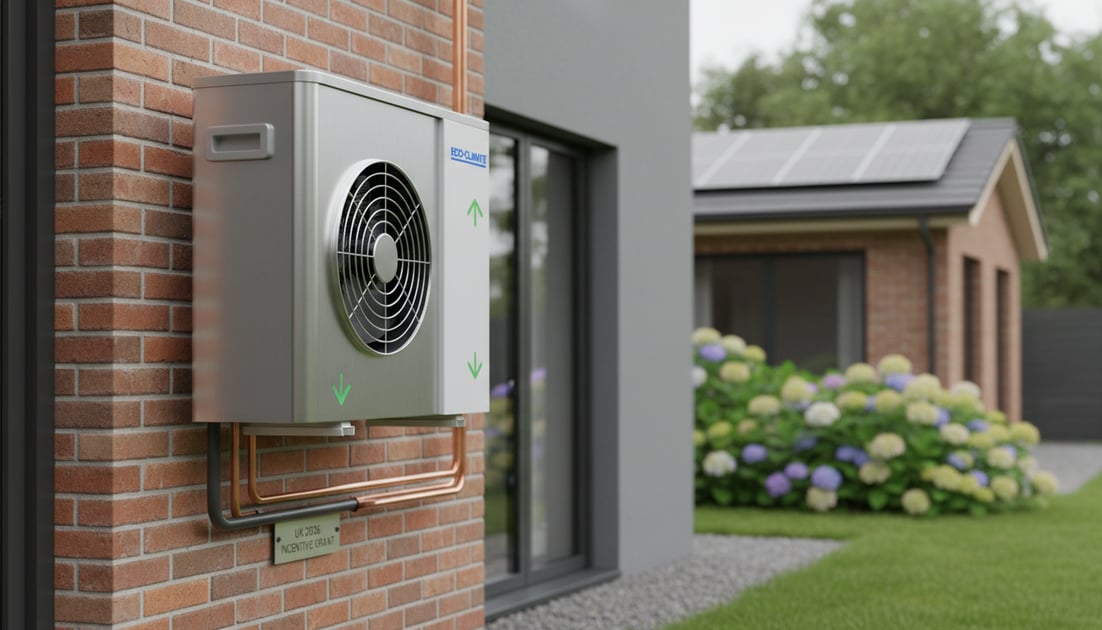
The UK's 2026 shift toward hybrid heat pump systems requires attention to both heating and cooling cycles. You can't treat maintenance as a summer-only concern anymore.
What Is the Preventive Maintenance of Cooling Tower Sump?
Preventive maintenance of cooling tower sump is the scheduled inspection, cleaning, and servicing of the water basin beneath a cooling tower to prevent sediment buildup, microbial growth, and corrosion that reduce system performance and trigger compliance violations. Commercial cooling towers in the UK must meet strict water treatment regulations under HSE guidance, making sump maintenance a legal requirement, not an optional task.
Step 1: Drain and Inspect the Sump Basin Quarterly
Shut down your cooling tower and drain the sump completely. Inspect for sediment accumulation, scale deposits, and corrosion on basin walls. Sediment reduces water circulation efficiency by up to 25% and creates breeding grounds for Legionella bacteria – a serious compliance risk for commercial facilities.
Step 2: Clean and Remove Debris
Remove all debris, sludge, and biological matter using high-pressure washing equipment. Pay particular attention to corners and inlet areas where sediment concentrates. This prevents pump blockages and maintains proper water flow through your cooling system.
Step 3: Test Water Chemistry and Treat
Measure pH levels, conductivity, and biocide concentrations. Proper water treatment prevents scale formation and microbial growth whilst extending equipment lifespan. IoT sensors in modern 2026 systems can automate monitoring, but manual verification remains essential for compliance documentation.
Step 4: Inspect Sump Components
Check float valves, strainers, and overflow drains for proper operation. Replace worn components before they fail during peak cooling demand and cause expensive downtime.
Regular sump maintenance reduces emergency repairs and ensures your cooling tower operates efficiently year-round.
DIY Maintenance vs Professional Service: What You Need to Know
DIY maintenance covers basic tasks you can safely perform yourself – filter changes, coil cleaning, and visual inspections. Professional service involves certified technicians handling refrigerant, electrical systems, and technical diagnostics that require specialised equipment and training. Knowing the difference prevents costly mistakes and keeps your system running efficiently.
You can handle monthly filter replacements and quarterly outdoor unit cleaning without professional help. These tasks require minimal tools and carry low risk when done properly. Smart thermostats need basic calibration checks you can perform using a separate thermometer. Regular visual inspections catch obvious issues like debris buildup or unusual noises before they escalate.
Professional servicing becomes essential for refrigerant handling, electrical diagnostics, and compliance verification. UK regulations require certified engineers for refrigerant work – attempting this yourself risks legal penalties and equipment damage. Technical inspections using pressure gauges, multimeters, and thermal imaging detect problems invisible to untrained eyes. Annual professional check-ups reduce emergency repairs by 60% compared to DIY-only approaches.
Here's how to decide:
| Task | DIY Capability | Professional Service | Risk Level |
|---|---|---|---|
| Filter replacement | Monthly | Unnecessary | Low |
| Coil cleaning (external) | Quarterly | Annual deep clean | Low |
| Refrigerant checks | Never | Essential | High – legal requirement |
| Electrical testing | Visual only | Full diagnostics | High |
| Smart system calibration | Basic checks | Advanced integration | Medium |
Combining both approaches delivers optimal results. You maintain basic upkeep between professional visits, reducing service costs whilst catching obvious issues early. Technicians handle complex diagnostics and compliance requirements during scheduled air conditioning installation and servicing appointments. This balanced strategy extends equipment lifespan and minimises downtime without unnecessary expense.
The mistake isn't choosing DIY or professional service – it's thinking you must pick one. You need both.
Building Your Cooling Maintenance Programme with CMMS Technology
A CMMS (Computerized Maintenance Management System) is a digital platform that schedules, tracks, and documents every aspect of your preventative maintenance programme – transforming reactive servicing into a data-driven strategy that reduces operational stress and extends equipment lifespan. You're not just logging tasks. You're building a complete maintenance history that predicts failures before they happen.
Start by cataloguing every cooling system component in your CMMS platform. Document make, model, installation date, and manufacturer service intervals. This baseline creates automated service scheduling that eliminates missed maintenance windows. Your system alerts you 30 days before filter changes, quarterly coil cleaning, and annual professional inspections – no more guessing when service is due.
Track every intervention with timestamp precision. Record filter replacements, refrigerant levels, temperature readings, and technician notes. This documentation proves invaluable when diagnosing recurring issues or demonstrating compliance with UK regulations. Modern CMMS platforms integrate with IoT sensors on 2026 smart thermostats and variable refrigerant flow systems, capturing real-time performance data that manual logs miss entirely.
The financial impact shows quickly. Facilities using CMMS for HVAC tracking report 18-22% energy reductions through optimised service scheduling and performance monitoring. You catch minor efficiency drops before they compound into major system performance degradation. Emergency repairs decrease by 40-60% because predictive alerts flag component wear during planned maintenance windows, not during peak cooling demand. Your cooling costs drop whilst system reliability improves – exactly what preventative maintenance promises.
Start Reducing Your Cooling Costs Today
Preventative maintenance delivers 20-35% annual cooling cost reductions through improved energy efficiency, fewer emergency repairs, and extended equipment lifespan. You're not just maintaining your system – you're actively eliminating the inefficiencies that inflate your energy bills by up to 30% every single month.
The evidence is clear. Well-maintained HVAC systems run 15-25% more efficiently than neglected units. Every pound invested in scheduled servicing returns £3 to £5 in avoided repair costs. Your equipment lasts 40-60% longer with proper care. These aren't theoretical benefits – they're measurable savings that compound year after year through optimised system performance and reduced downtime.
Be Cool Air Conditioning helps businesses and homeowners across the UK implement preventative maintenance programmes that transform cooling from a recurring expense into a managed investment. You get consistent temperature control, predictable service scheduling, and documented compliance without the stress of emergency callouts during peak demand.
Ready to reduce your cooling costs? Contact Be Cool Air Conditioning today to schedule your preventative maintenance assessment and start protecting your investment whilst cutting operational expenses.
Frequently Asked Questions
Does preventative maintenance save money?
Preventive maintenance advantages are tangible; it can reduce costs by 12-18% and generate a remarkable 400% return on investment. Setting aside maintenance resources before issues arise has short-term costs, but the long-term benefits are real.
What is the preventive maintenance of cooling tower sump?
These procedures should include daily and weekly visual inspections to ensure water is flowing, monthly inspections to assess the general condition of the cooling system, quarterly inspections of components that require close inspection every three months, semiannual flushing and cleaning of the water sump, and annual ...
How to do preventive maintenance on an AC unit?
Change the Air Filters. ...
Check the Thermostat. …
Tighten All Electrical Connections. …
Inspect the Refrigerant Lines. …
Clean Your Evaporator. …
Keep Your AC Unit Level. …
Inspect Cooling Coils for Frost or Ice Buildup. …
Check and Clear the Condensate Drain Line.
What are the advantages of preventive maintenance?
Lengthen asset lifespan. Arguably, the most important benefit of preventive maintenance is lengthened lifespan of assets. ...
Lower risk of breakdowns. …
Increase efficiency. …
Decrease unplanned downtime. …
Promote health and safety. …
Boost customer satisfaction. …
Save money.