AC Regas: What It Is, When You Need It & How It Works
By Be Cool Air Conditioning 4 min read

If your air conditioning is blowing warm air, struggling to cool the room, or seems less efficient than before, you might have come across the term AC regas. But what exactly is it, why is it needed, and how often should it be done?
This guide covers everything you need to know about AC regassing: the signs, the process, costs, and tips to keep your system performing at its best.
What Does AC Regas Mean?
“Regas” (or recharge) refers to replacing or topping up the refrigerant gas in your air conditioning system. Refrigerant is the chemical that absorbs heat from inside your home or vehicle and releases it outside, making cool air possible.
Over time, small leaks or natural seepage can reduce refrigerant levels. When this happens, your AC loses cooling power and efficiency. A regas restores the system so it can work properly again.
Signs You Might Need an AC Regas
- Blowing warm or weak air – The most obvious sign is that the AC doesn’t feel as cold as it used to.
- Longer cooling times – It takes much longer to bring the room or car down to the desired temperature.
- Ice on pipes or evaporator coil – Low refrigerant can cause coils to freeze up.
- Hissing or bubbling noises – Could signal refrigerant escaping.
- Rising energy bills – The system works harder and longer to achieve less cooling.
- AC won’t switch on – In severe cases, safety sensors may shut it down.
Why AC Needs Regassing
Unlike fuel or water, refrigerant isn’t something that should “run out” during normal use. If your AC needs frequent regassing, it’s often a sign of a leak.
That’s why regassing is not just topping up gas—it should also involve:
- Checking the entire system for leaks
- Repairing or replacing faulty pipes, valves, or coils
- Pressure testing before new refrigerant is added
Skipping these steps can lead to repeated failures and wasted money.
The AC Regas Process
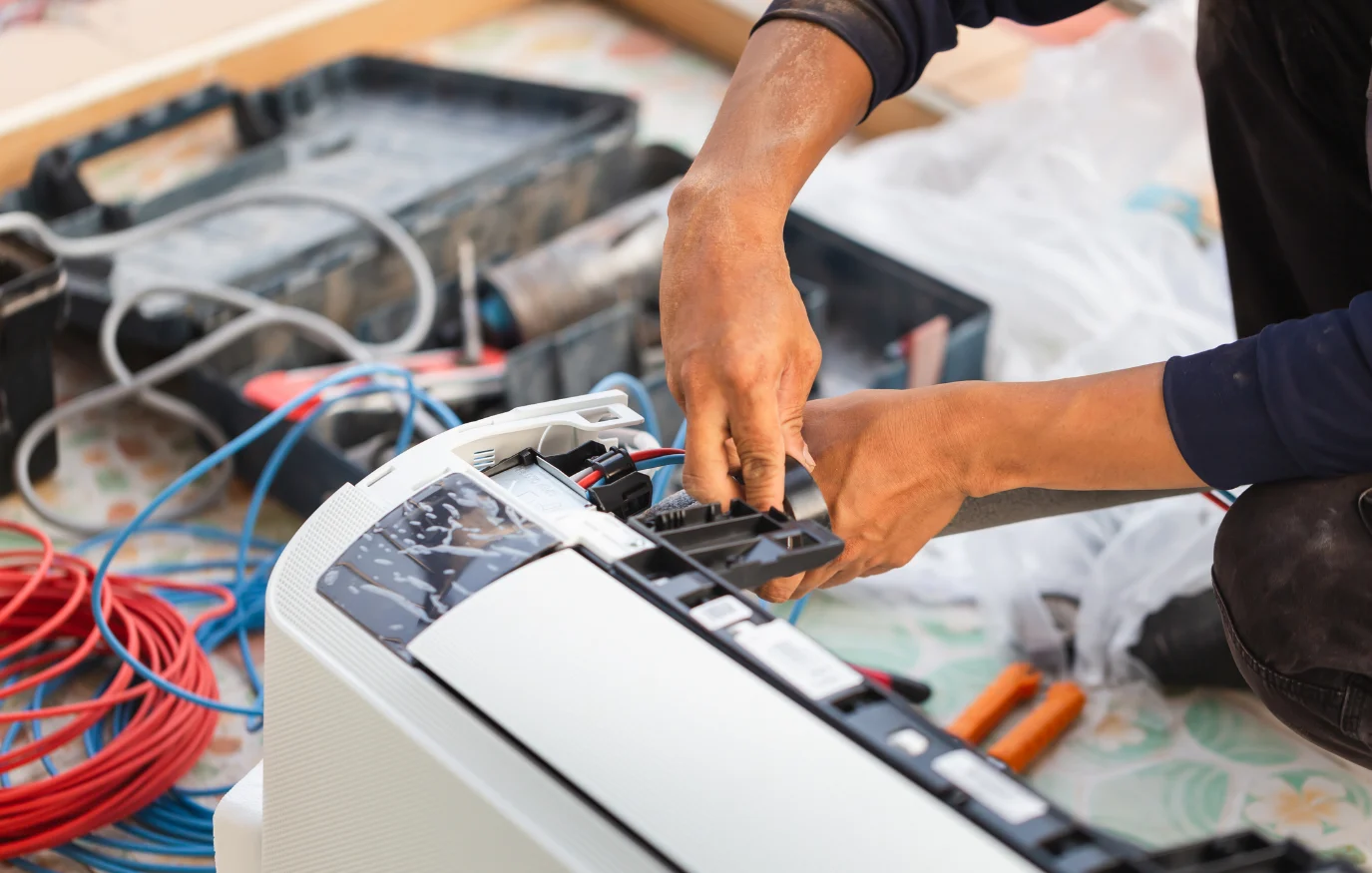
A proper regas is usually carried out by a certified HVAC engineer or mechanic (for cars). Here’s what’s involved:
- Inspection & Leak Test – The engineer checks for signs of refrigerant leaks.
- Recovery of Old Gas – Any remaining refrigerant is safely removed from the system.
- Vacuum & Clean – The system is evacuated to remove air, moisture, and impurities.
- Refilling (Regassing) – The correct amount of refrigerant is added, matched to the manufacturer’s specifications.
- System Test – The AC is switched on and tested for temperature, pressure, and overall performance.
How Often Should You Regas an AC?
- Cars – Most experts recommend every 2–3 years, though some newer cars may last longer.
- Home/Commercial AC – Should not normally need frequent regassing. If refrigerant levels drop, it’s usually due to a leak that must be fixed.
If your unit is over 10 years old, you might face recurring issues sometimes replacement is more cost-effective than multiple regasses.
Cost of AC Regas
Prices vary depending on whether it’s a car or a home system:
- Car AC regas: typically £50–£120 in the UK, depending on refrigerant type (R134a or newer R1234yf).
- Home/Commercial AC regas: can range from £100–£300+, especially if leak testing or part replacement is needed.
Always confirm that the engineer is F-Gas certified a legal requirement in the UK for handling refrigerants.
Can You Do an AC Regas Yourself?
While DIY regas kits are sold for cars, they’re not recommended:
- They rarely include leak detection or proper evacuation.
- Overfilling or using the wrong gas can damage your compressor.
- In the UK, handling refrigerants without certification can be illegal.
For home or commercial AC, always use a professional.
Tips to Avoid Frequent Regassing
- Book annual maintenance checks to catch leaks early.
- Replace dirty filters to avoid strain on the system.
- Keep outdoor units free of dust, leaves, and debris.
- Run your AC periodically, even in cooler months, to keep seals lubricated.
FAQ
Is regassing the same as recharging?
Yes, both terms mean refilling refrigerant.
Why does my AC need regassing so often?
Frequent regassing usually points to a leak regas alone won’t solve it.
Can low refrigerant damage my AC?
Yes. Running the system low on gas can overheat or break the compressor.
An AC regas can restore your cooling system’s performance but it should never be treated as a quick fix. If refrigerant levels drop, there’s usually an underlying issue that needs attention.
Whether it’s your car or home system, regassing should always be carried out by a qualified professional. With regular maintenance, you’ll not only avoid costly breakdowns but also extend the life of your air conditioning system.